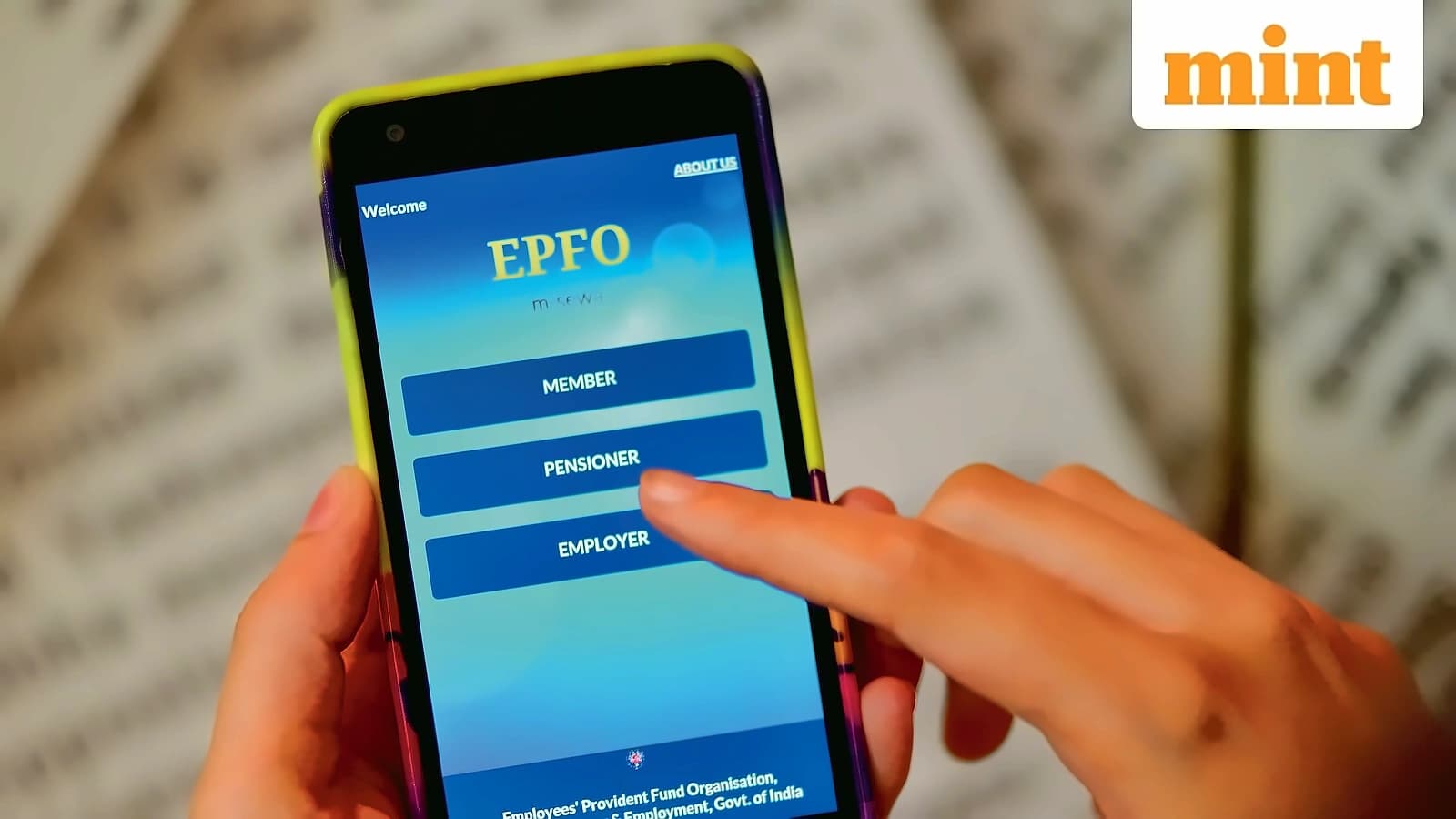
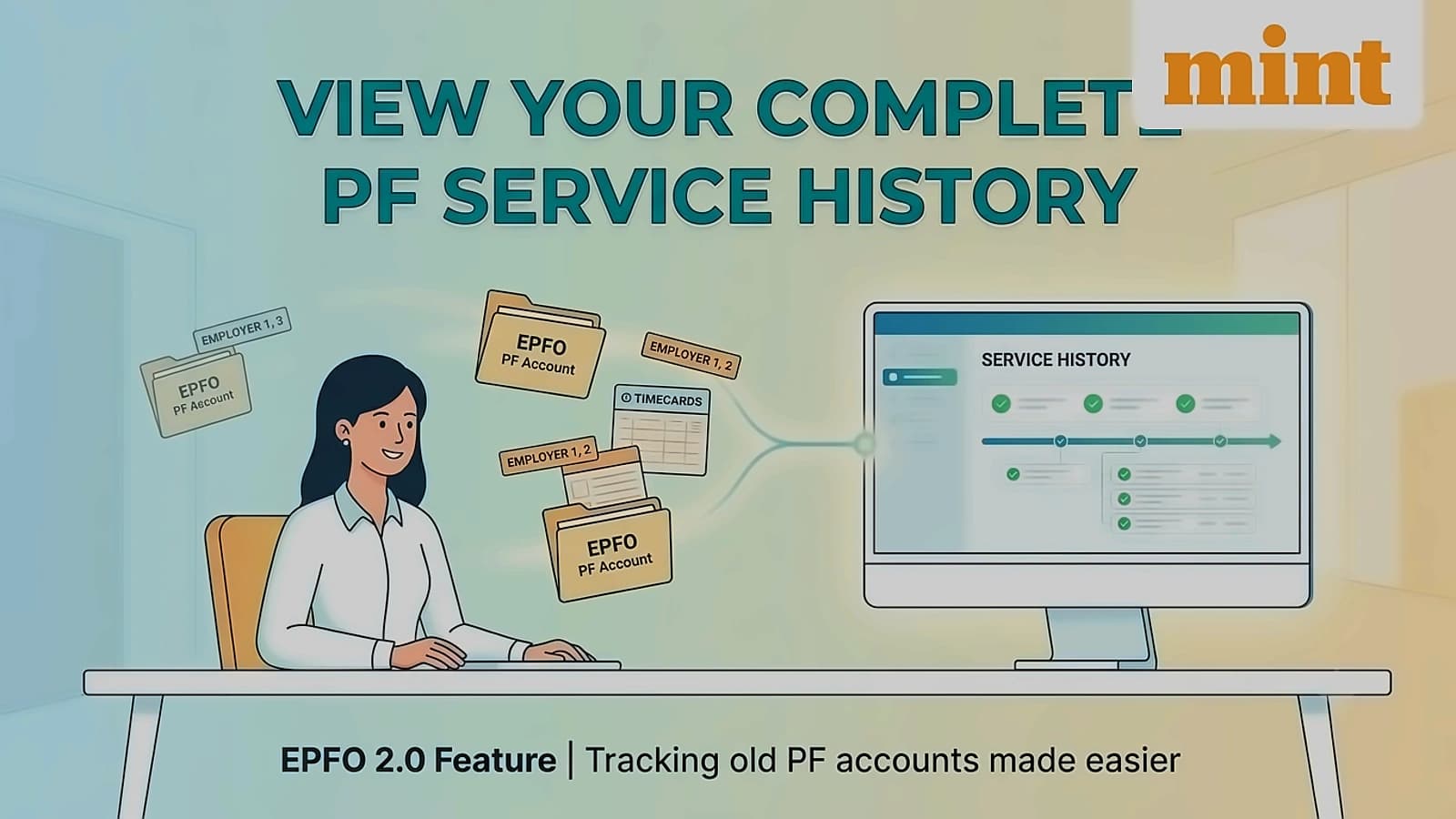
The Employees' Provident Fund Organisation (EPFO) has introduced five significant digital reforms in 2026 to make provident fund management easier for salaried employees. These comprehensive changes include automatic PF transfer facilities for job changes, expanded auto-settlement limits for advance claims to ₹5 lakh, and simplified online claim processes with reduced documentation requirements. The reforms also introduce Passbook Lite for user-friendly account tracking and integration with DigiLocker for accessing important documents including UAN Card, Pension Payment Order (PPO), and Scheme Certificate. According to Mint, the EPFO plans to extend auto-settlement to final PF withdrawal claims, moving beyond the current system that only covers advances up to ₹5 lakh.
The EPFO has discontinued Universal Account Number (UAN) activation and new UAN generation through its portal, shifting both services to the Umang mobile application. According to reports from Mint, this migration follows a major database consolidation and software upgrade aimed at making EPFO's online services faster and more reliable. The new process requires Aadhaar-based Face Authentication (FAT) and is mandatory for all users seeking to activate or generate new UAN numbers. Starting August 1, 2025, all UAN allotment and activation must be done through the UMANG app using face authentication technology to ensure error-free UAN generation. However, some EPFO services are temporarily unavailable on the UMANG app due to this migration, as reported by The Economic Times.
The EPFO has expanded its auto-settlement facility for eligible advance claims with the auto-settlement limit increased to ₹5 lakh, with eligible claims processed within around three days. The facility covers advances for needs such as illness, education, marriage and housing. Additionally, members no longer need to upload documents such as a cheque leaf or bank passbook copy for eligible claims, as reported by The Economic Times. This reduction in documentation is expected to make PF claims easier to submit and can also help speed up the processing of eligible claims. The organization has also raised the auto-settlement limit for advance claims to ₹5 lakh, which aims to provide a unified view of member accounts and services. According to Mint, the EPFO expects most fresh PF withdrawal claims to be settled on the same day or within a maximum of two days.
Employees changing jobs can now benefit from automatic PF transfer if their accounts meet required conditions, with the facility available for members whose accounts are KYC-compliant and Aadhaar-verified. According to Mint, the entire process is expected to become automatic for Aadhaar-linked and KYC-compliant UAN holders, eliminating the need to submit separate transfer applications. This automatic transfer facility is part of the EPFO 2.0 initiative aimed at enhancing ease of living for millions of EPFO subscribers while fast-tracking UAN generation and activation. The EPFO has also started taking legal action against employers who are not complying with UAN guidelines, with the deadline for completing formalities set as August 25, 2025, after which action will be taken against non-compliant establishments.
For FY26, the Centre ratified the EPFO's suggestion of 8.25% interest rate for both EPF and VPF, with interest credits completed on July 15, 2026, as reported by The Economic Times. According to Mint, this marked the third consecutive time the instrument delivered 8.25% returns on provident fund. The EPFO has begun crediting 8.25% interest for FY 2025-26, with many EPF subscribers receiving SMS notifications confirming this interest credit. The EPF interest for FY26 works out to approximately 0.688% per month, with a PF balance of ₹1 lakh earning approximately ₹8,250 in interest over a year. The EPFO will auto-process 8.25% interest for FY6 by July 15, applying this credit to nearly 340 million members' accounts. Salaried individuals are eligible to open an EPF account when basic pay and dearness allowance are up to ₹15,000, with voluntary provident fund (VPF) available for those with higher compensation levels.