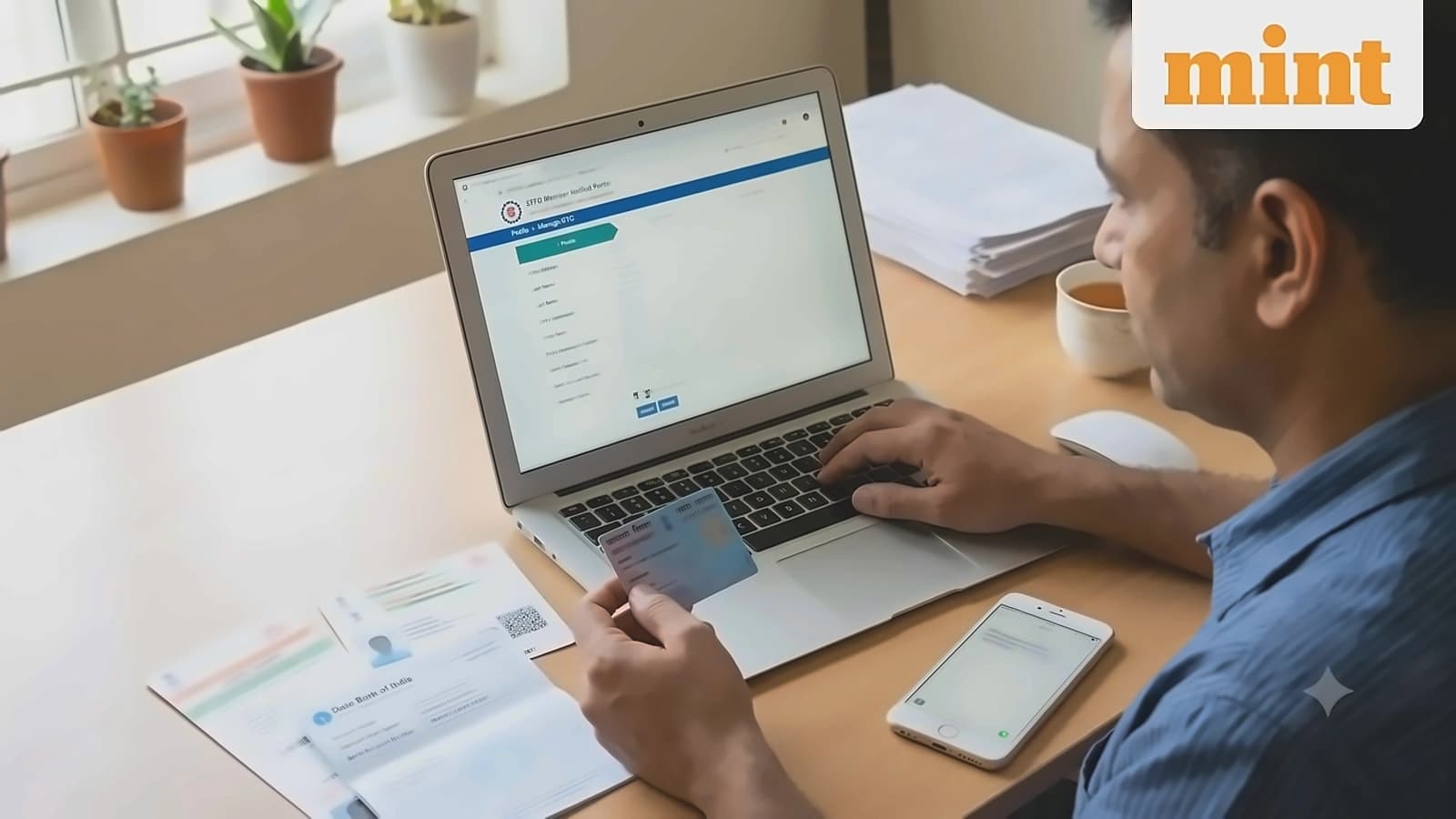
Union Labour and Employment Minister Mansukh Mandaviya announced on 8 July that Aadhaar-linked Universal Account Number (UAN)-based PF accounts will now be transferred automatically when members change jobs, eliminating the need to submit separate transfer applications. According to reports from Mint, while the process is expected to become much smoother, the automatic transfer is not guaranteed in every case. Incorrect records, duplicate UANs and incomplete KYC can still delay the transfer process. The latest EPFO reforms have expanded this facility, with quicker PF transfers between employers now available for individuals who frequently change jobs or rely on partial PF withdrawals during emergencies. When does the automatic transfer happen? The automatic transfer does not happen immediately after you join a new company. Under the Employees' Provident Fund Organisation (EPFO)'s new mechanism, the transfer process is triggered only after your new employer deposits the first EPF contribution. As per Business Standard, when an employee joins a new organisation covered under the EPF scheme, a new PF member ID is created under the existing Universal Account Number (UAN), and EPFO automatically initiates the transfer of the accumulated PF balance from the previous account after the first month's EPF contribution is credited by the new employer.
Who can't avail automatic EPF transfer facility Employees working with organisations having private and exempted provident fund system won't be able to benefit from the automatic EPF transfer facility. The facility is only available to those members whose accounts are directly managed by the retirement fund body. In the case of an exempted PF trust, the employer manages the provident fund contributions on its own. According to Business Standard, the facility is generally not available if: the previous or current establishment operates an exempted PF trust, the UAN is not linked with Aadhaar, KYC details are incomplete or unverified, multiple UANs exist for the same employee, or other eligibility conditions prescribed by EPFO are not met. In exempted establishments, the employer manages the provident fund through its own recognised trust, although it must follow EPF rules such cases continue to follow a different transfer process. This provision is significant as it eliminates the need to submit separate transfer applications, thus reducing paperwork and additional hassle that previously required approvals from the older employer, the new employer, as well as the EPFO office.
Automatic transfers rely on your records matching across EPFO databases. As reported by Mint, if your name, date of birth, or other personal information differs from that on your Aadhaar or PAN, it can delay the transfer process. The system requires complete consistency across all official records to ensure seamless account movement between employers. According to Business Standard, members should check the following before the transfer: UAN has been activated, Aadhaar is linked with the UAN, mobile number linked to the UAN is active for OTP authentication, bank account details are seeded correctly, employer-approved e-KYC is available, date of exit from the previous employment has been updated, and personal details in the member profile are correct and verified. Before your balance is transferred to your new EPF account through the facility, make sure your UAN is activated and linked with Aadhaar. Your KYC details, including PAN and your bank account details with the correct IFSC, should also be updated and verified. In addition, your previous employer must have correctly recorded your date of exit in the EPFO records. If any of these details are missing or incorrect, the automatic transfer may be delayed or may not take place until the issue is resolved.
Your UAN should remain the same throughout your career. According to Mint, inform every new employer about your existing UAN rather than accepting a new one. If two UANs have already been created, online transfer is not available. In such cases, employees must submit a physical Form 13, duly attested by either their previous or current employer, to the concerned EPFO office. Recent improvements have made it easier to activate, update, and manage UAN-linked services online. The UAN remains the permanent identifier for EPF members, with recent EPFO reforms simplifying documentation requirements for several claim categories where digital verification is available. As per Business Standard, members with a fully KYC-compliant UAN generally do not need to file a transfer claim after changing jobs, once the first month's contribution is received from the new employer, the transfer request is automatically generated unless the member actively stops it.
Many employees update Aadhaar, PAN, or bank details only after facing issues. As reported by Mint, verified KYC is a key condition for a seamless transfer. Completing these formalities before changing employers reduces the chances of delays. The latest EPFO updates have made updating KYC details, including Aadhaar, PAN, and bank account information, more efficient. Members can now update these details through the EPFO portal or coordinate with their employer if verification is required. Additionally, an automatic transfer cannot proceed if previous employment records are incomplete, with the exit date being mandatory for online transfer claims. The exit date should be within the same month as the previous employer's last PF contribution date. According to Business Standard, one of the most common reasons for transfer-related issues is the absence of the date of exit from the previous employment. EPFO's guidance states that the previous employer must update the employee's exit date before the transfer process can move ahead, if this information is missing, members may first need to get the records corrected before the transfer can be completed. Members can verify whether all previous jobs are correctly reflected in EPFO records by logging into the Unified Member Portal after signing in using the UAN, password and OTP authentication, members can access the Service History section to review their previous employment records.
EPFO has significantly expanded its online member services by improving the user interface and making more services available digitally. Members can access passbooks, submit claims, track applications, and update account information online through the EPFO member portal or the UMANG app using their UAN credentials. The organisation has simplified documentation requirements for several claim categories where digital verification is available, reducing paperwork while improving processing efficiency. Recent EPFO reforms include higher auto-settlement limits that allow eligible members to receive approved withdrawals without manual intervention for higher amounts than before. Members can now monitor the status of their claims more transparently through online platforms, allowing employees to stay informed without repeatedly visiting EPFO offices. The new system is intended to ensure continuity of retirement savings while reducing manual intervention and paperwork, though employees should not assume the transfer will happen automatically in every case.
Instead of withdrawing PF after every job change, transferring the balance helps preserve your service history. As reported by Mint, this helps employees meet the 5-year continuous service requirement to avoid TDS on eligible withdrawals, preserve service for pension benefits after 10 years, and allow retirement savings to continue earning interest. The facility is designed to streamline the PF transfer process while maintaining the integrity of member records across different employers. The latest EPFO reforms aim to make retirement savings management more convenient for millions of salaried employees across India, with these updates directly impacting how members manage their accounts whether starting their first job or having years of EPF contributions. For salaried employees who change jobs frequently, transferring EPF balances has traditionally been a time-consuming process, with automatic transfers intended to ensure continuity of retirement savings while reducing manual intervention and paperwork.