Corporate fixed deposits present an attractive alternative for conservative investors seeking to enhance returns beyond traditional bank FDs. According to reports from Business Standard, these investments can provide 1-2 percentage points higher returns compared to plain vanilla bank FDs, making them particularly suitable for investors who prefer safe investment options but want to boost their returns. The investment landscape includes various corporate FD options with different tenures, offering flexibility for investors with varying risk appetites. In the broader fixed-income spectrum, corporate bonds offer higher yields than government securities with fixed, predictable interest payments, making them suitable for investors with 3-10 year investment horizons who don't require early liquidity access.
Investors can access comprehensive information through platforms like Paisabazaar to evaluate corporate FD options based on both interest rates and risk profiles. As reported by Business Standard, these platforms provide tables that allow investors to compare corporate FD rates across different tenures while simultaneously assessing the creditworthiness of potential issuers. For corporate bonds specifically, SEBI-regulated mandatory ratings and disclosures provide transparency into issuer creditworthiness, with AAA-rated bonds offering approximately 80-150 basis points more yield than government securities. The credit spread represents the market's real-time assessment of issuer risk, with spreads widening when market sentiment changes even without actual defaults, making corporate bonds more volatile than equivalent government bonds in the same rate environment.
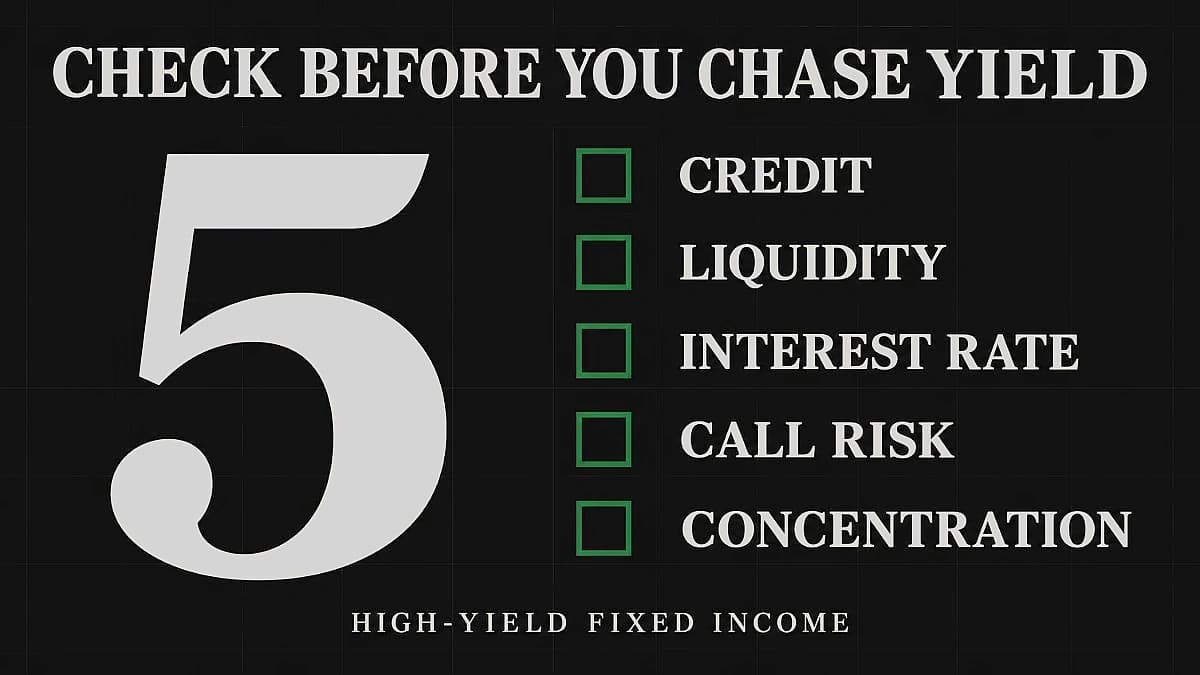
Corporate FDs carry specific risks that investors must carefully evaluate before committing funds. According to Business Standard, defaults are not covered by deposit insurance, which means investors bear the full risk of the issuer's financial stability. Additionally, some corporate FDs may impose restrictions on early withdrawals or charge penalties for premature access, making emergency fund access less attractive compared to traditional bank deposits. For corporate bonds specifically, credit risk remains the primary concern as issuers can default, unlike government securities, with interest rate risk also affecting returns when market rates rise. The IL&FS collapse in 2018 demonstrated that even AAA-rated bonds can lose nearly all value when companies face hidden cash flow stress, highlighting that credit spreads represent market compensation for real, occasionally catastrophic risks that are entirely manageable with proper due diligence.
The corporate FD market serves as a bridge between conservative investors and higher-yielding investment options, with corporate bonds offering predictable income streams and higher yields than FDs and government securities. As reported by Business Standard, these instruments are particularly valuable for investors who want to maintain safety while achieving better returns than traditional bank deposits. The corporate bond landscape spans from AAA-rated securities offering 80-150 basis points premium to government bonds, down to BBB-rated bonds with 200-350 basis points premium. Investment success depends on matching maturity to actual investment horizon, diversifying across issuers and sectors, and conducting independent due diligence beyond rating labels. Platforms like Finzace provide single discovery surfaces to compare bonds, FDs, and other fixed-income instruments, enabling investors to see the full landscape in one place while ensuring KYC, execution, and settlement are handled directly by SEBI-registered entities.