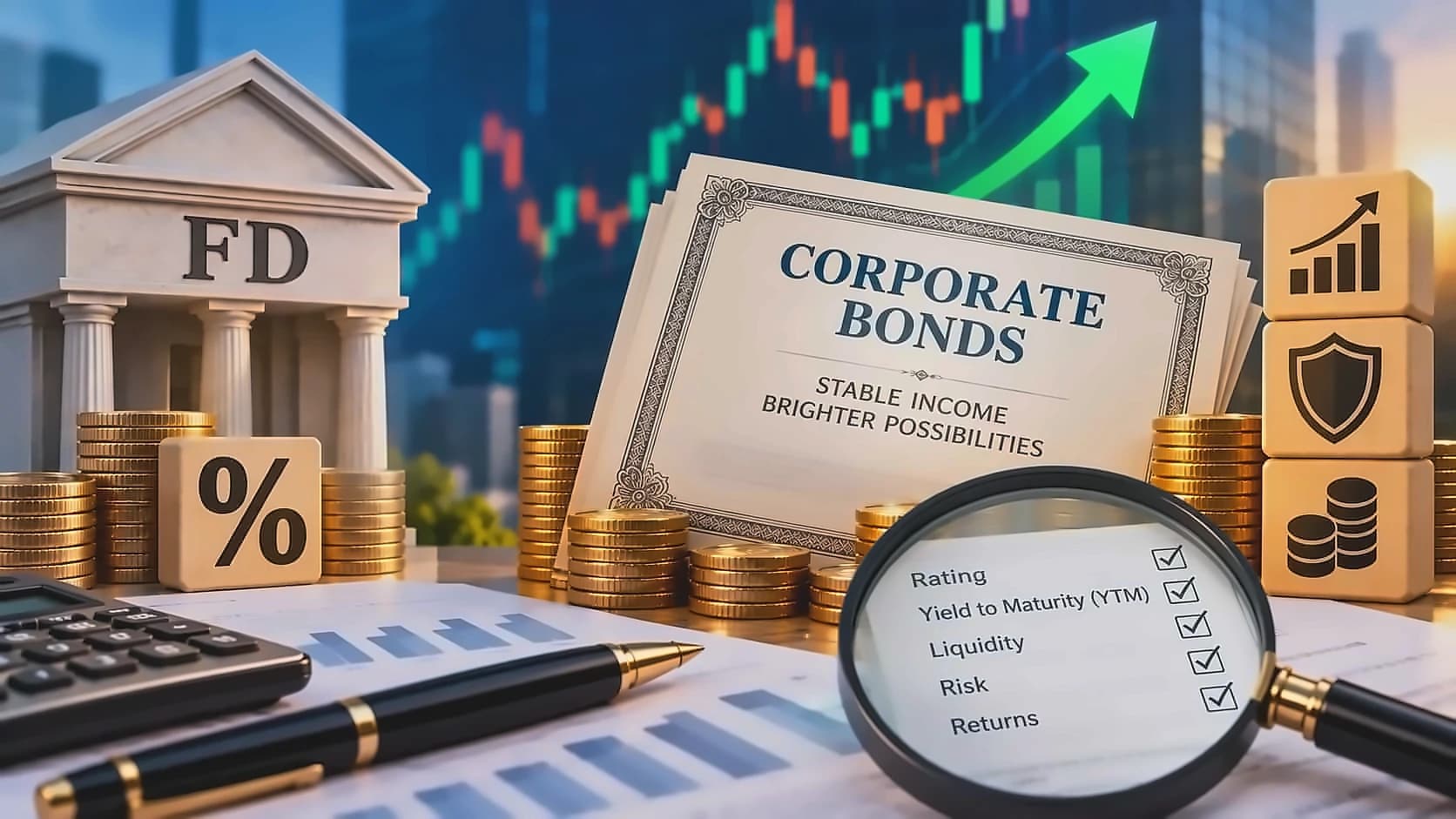
According to reports from Mint, regulatory changes have significantly lowered minimum investment sizes to just ₹10,000, making bond investments increasingly accessible to retail investors. The rise of online trading platforms and the search for higher yields than traditional bank fixed deposits has contributed to this trend. However, experts warn that while these changes make bonds more retail-investor-friendly, investors are relying too heavily on credit ratings while missing critical risk factors.
Bond ratings are categorized into two main groups: investment grade (AAA to BBB) and speculative grade (BB to D). As per Phillip Securities Research, bonds rated 'AAA' to 'BBB' are considered investment grade, which implies low risk of default and are issued by financially stable entities such as governments and blue-chip companies. These bonds provide investors with income generation opportunities while maintaining safety in their investment portfolios. Conversely, 'BB' to 'D' rated bonds fall under the speculative or junk category, meaning they carry higher default probabilities from issuers with weak credit standings or those undergoing financial difficulties. However, bond ETFs carry additional credit risk as they hold baskets of underlying bonds, with high-yield bonds having a long-term average default rate of around 5% in the U.S. market.
According to Phillip Securities Research, higher-rated bonds offer lower interest rates and yields because investors know they can get back their money. The rating system directly correlates with borrowing costs, as higher-rated bonds enable issuers to borrow at low cost through low interest rates. In contrast, bonds with lower ratings result in high borrowing costs because they must offer higher yields to compensate for increased risk. Credit rating agencies assess various factors including the issuer's financial state, management competency, economic conditions, and industry-specific factors such as regulations. As noted by DifferentTruths.com, credit ratings are informed professional opinions based on careful analysis rather than guarantees, with ratings subject to periodic review as companies' financial health can change over time.
As reported by Mint, government bonds are considered safer than even AAA-rated corporate bonds because they are sovereign obligations. Srinivasan explains that bonds below AA rating can be less risky if secured by specific assets or backed by government majority stakes in PSUs like PFC and REC. While interest income from both bonds and FDs is taxed at individual income slab rates, bonds differ in capital gains taxation, with long-term capital gains tax of 12.5% applying if held for over 12 months. According to Phillip Securities Research, institutional investors mandated to invest only in investment-grade securities need assurance that bonds comply with such regulations, potentially limiting investment options for issuers. Municipal bond ETFs offer additional tax advantages, with interest typically exempt from federal tax and sometimes state tax, though specific conditions under tax law must be met.
According to Mint reports, experts recommend focusing on structural safety nets such as asset backing and sovereign support to maximize safety while enjoying periodic coupon payments. The assessment should include the issuer's sector, company track record, ownership structure, and whether cash flows can service debt during challenging years. Nath concludes that ratings are only informed external opinions on financial health and credit risk, requiring investors to look beyond simple credit ratings for comprehensive bond safety assessment. As noted by DifferentTruths.com, the key principle is 'Higher returns usually come with higher risks', making the more sensible question 'Why is this bond paying a higher return?' rather than simply choosing the highest yielding option. Bond ETFs offer diversification benefits over individual bonds, as they hold baskets of bonds from different issuers, reducing the impact of single issuer defaults while providing flexibility through real-time trading during market hours.