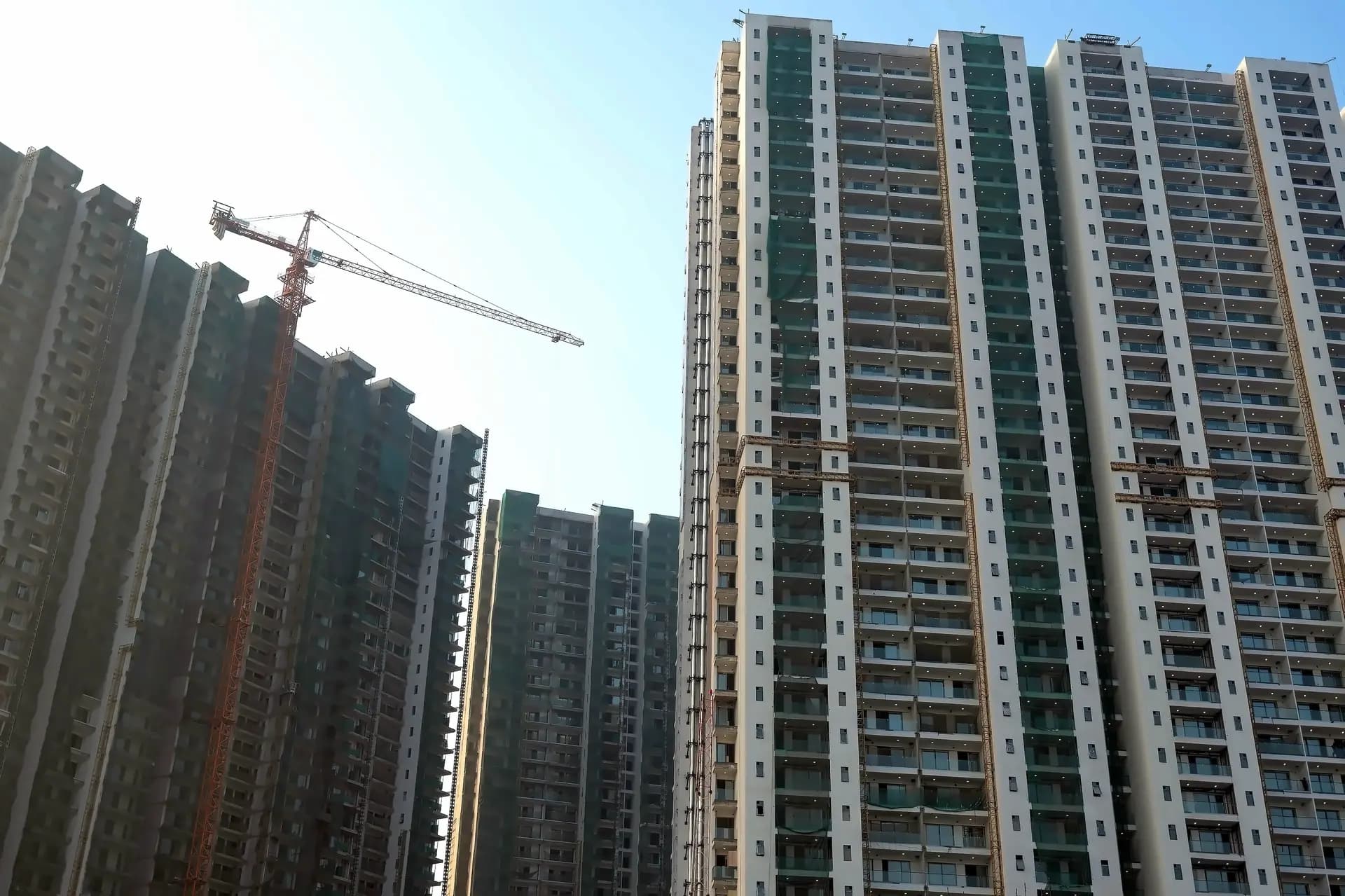
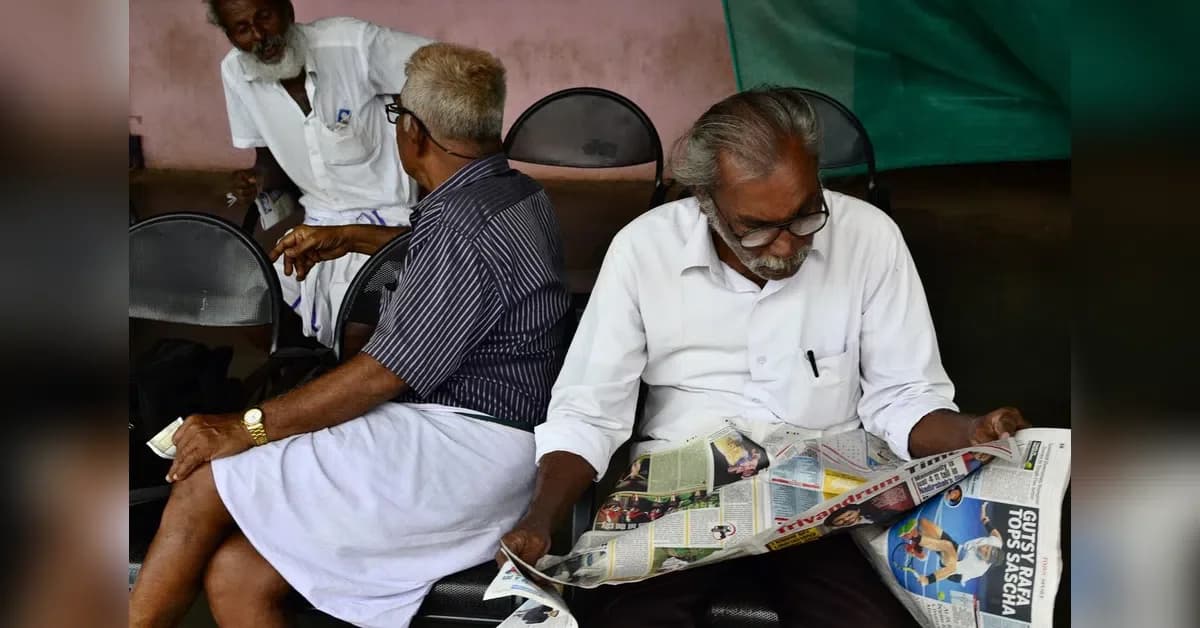
The Government of India is implementing a comprehensive range of welfare programmes for senior citizens under the Atal Vayo Abhyudaya Yojana (AVYAY), as announced by the Press Information Bureau. This government initiative comes at a crucial time as India's senior living sector undergoes a fundamental transformation in real estate design. The conversation around Indian real estate has traditionally focused on affordability, luxury, and investment corridors, but a more consequential shift is now underway. Senior living is fast emerging as one of the most dynamic and design-forward segments in Indian real estate, driven by a new appreciation of what it means to age well in environments that support independence, comfort, safety and productivity. This transformation represents a departure from decades of treating accessibility features as optional, with modern senior living communities now designed around the principle of 'active ageing' - an approach that treats residents as engaged individuals who deserve spaces that support them to realise their full potential.
The scale of India's aging population presents unprecedented opportunities for the real estate sector. India currently has over 140 million citizens aged 60 and above, a figure projected to exceed 300 million by 2050, making it one of the world's largest ageing populations. According to Business Standard analysis, Kerala leads with a 60+ population cohort representing 20.7% of the state's total population, followed by Tamil Nadu at 16.3%. In contrast, UP and Bihar lag significantly at 10.3% and 11.5% respectively. Leading developers are recognising that catering to this section of the population is no longer speculative but structural, with companies expanding their presence in cities such as Mumbai, Bengaluru, Pune, Chennai, and Hyderabad. The government's welfare programmes are expected to further accelerate this demographic shift and create additional market opportunities.
The Government of India has achieved significant milestones in implementing senior citizen welfare programmes under AVYAY. Over 8.41 lakh senior citizens have been assisted through the Elderline helpline, while more than 7.68 lakh beneficiaries have received free physical aids and assisted living devices under the Rashtriya Vayoshri Yojana since FY 2021-22. The Integrated Programme for Senior Citizens (IPSrC) has benefited over 6.98 lakh senior citizens since FY 2021-22, providing grant-in-aid to eligible organisations for operating Senior Citizen Homes, Continuous Care Homes, Mobile Medicare Units, Physiotherapy Clinics, and other facilities. The State Action Plan for Senior Citizens (SAPSrC) supports State Governments in implementing state-specific welfare initiatives based on local priorities, while the Elderline helpline (14567) operational from 8 AM to 8 PM daily has provided information, guidance, emotional support, and field intervention since its launch on October 1, 2021.

The evolution of senior living design encompasses advanced technological integration and user-centric features. Advanced cabins are being designed with improved air quality management, adaptive lighting, and acoustics that help people feel calm and orientated. Interfaces are evolving with simplified, personalised controls that reduce cognitive load and improve confidence for first-time users. The sector is increasingly embedding digital infrastructure into the physical environment, from IoT-enabled emergency response systems and wearable-integrated health monitoring to smart lighting and climate systems that adapt to mobility and cognitive needs. Touchless and smartphone-enabled elevator calling, predictive maintenance powered by AI to minimise downtime, and real-time diagnostics are becoming baseline expectations rather than premium add-ons. These technological advancements align with the government's focus on comprehensive welfare programmes for senior citizens, creating a synergistic approach to addressing India's aging population needs.
Active ageing encompasses multiple participation avenues beyond traditional employment, as reported by Business Standard. Seniors can contribute through volunteer work in organizations like Rotary Clubs, serve as honorary faculty at educational institutions, or participate in community service programs such as supporting live-alone seniors. Companies are developing innovative approaches to leverage senior expertise, with Wisdom Circle building a network of fractional CXO services including Fractional CMO, Fractional CFO, and Fractional CHRO positions. The Japanese model demonstrates successful implementation of 'silver industries' across diverse sectors including elder care, assisted living, home healthcare, and elder nutrition. With the government's comprehensive welfare programmes now in place, these participation avenues are expected to gain further momentum and create new economic opportunities for senior citizens.