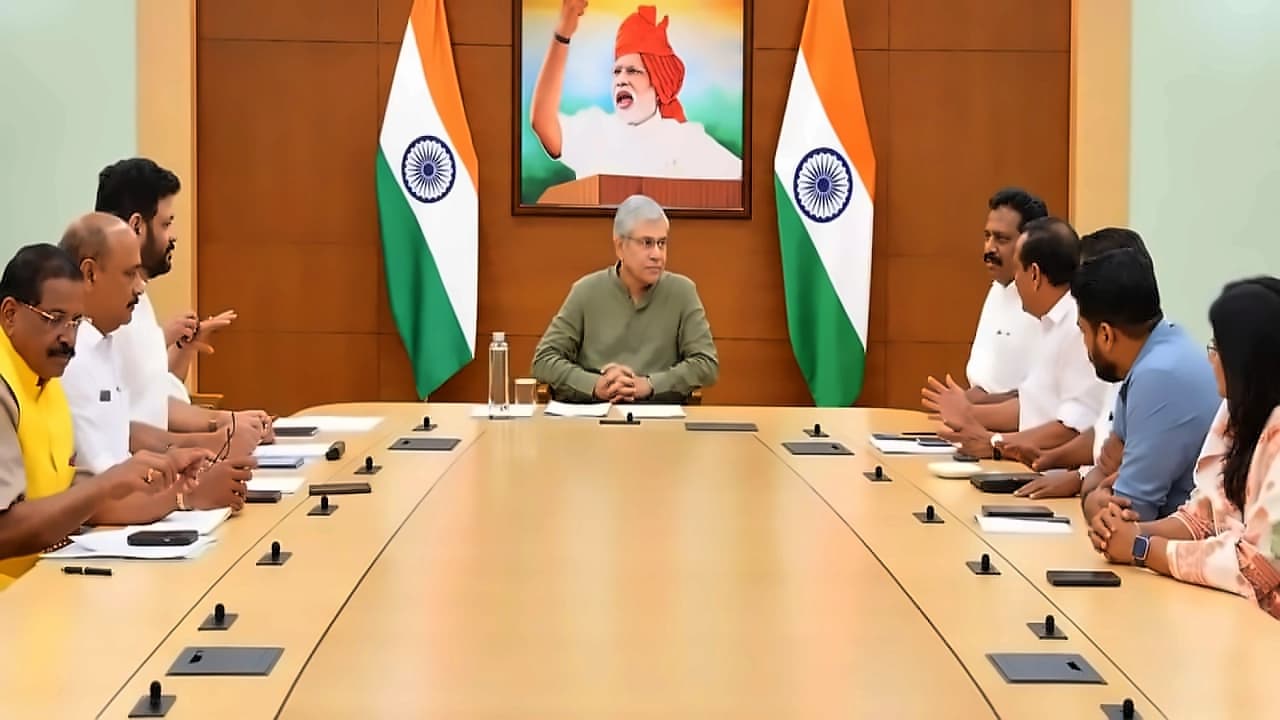
In May 2026, the Kerala government established India's first dedicated Department of Senior Citizens Welfare through Government Order No. 63/2026/GAD, officially creating a standalone department that pulls elderly care out from the broad umbrella of the Social Justice Department. According to latest reports, Kerala has become the first state to treat aging not as a minor welfare issue, but as a core pillar of state governance. Chief Minister V D Satheesan launched the department, stating that the state is entering a phase where ageing has become a major governance issue involving dignity, healthcare, mobility, safety, and social justice. The department is modelled on Japan's community-based integrated care systems, with 20.7% of the population above 60 years, compared with a national average of 12.9%.
The success of Kerala's new department will not be measured by the number of schemes announced, but by whether older adults receive protection, visibility, and a responsive system when they need help. As per The Hindu, the department recognizes that beyond disease, the most common threats to older people come from neglect, coercion, humiliation, financial exploitation, and social isolation. Elder abuse rarely begins with violence - it may start with delayed medical visits, restricted access to money, repeated insults, pressure to transfer property, or withdrawal of care. The timing is particularly significant as Kerala has one of India's fastest-ageing populations and serves as a preview of the country's demographic future. The department will first examine similar models in Japan and then conduct a comprehensive state-wide study to refine its functioning, as announced by Chief Minister V D Satheesan.
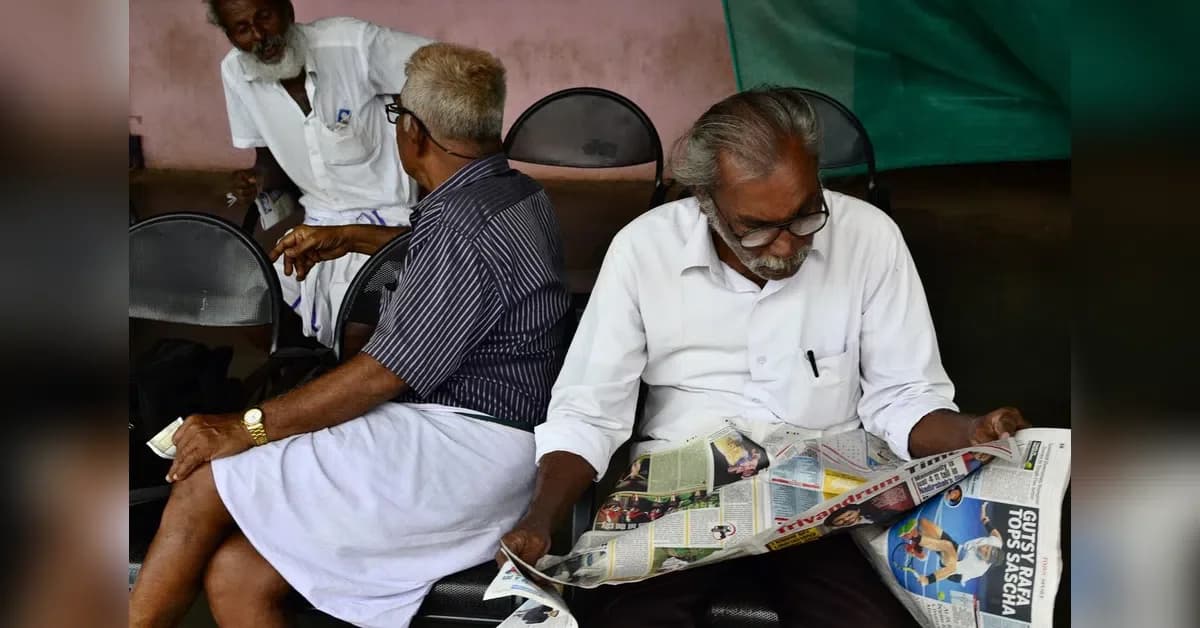
According to the latest National Family Health Survey (NFHS), the proportion of the elderly (defined as over 60 for both men and women) varies significantly across southern states. As reported by Business Standard, Tamil Nadu has 16.3% elderly population, Karnataka 14.6%, Telangana 14.1%, Andhra Pradesh 13.9%, Maharashtra 14.4%, and Goa 17.2%. The Tamil Nadu white paper projects that the state has the fastest-growing elderly population among major states, with a 71.7% rise projected between 2011 and 2031, followed by Kerala at 64.6% and Karnataka at 56.3%, versus a national rate of 56%. Kerala's elderly population is projected to reach 22% by 2036, with an Old-Age Dependency Ratio of 26.1% (projected to reach 34.3% by 2031) compared to the national average of 15.7%.
The department has implemented a multi-faceted approach to address the challenges of aging, including 14,567 (Elderline), a centralized toll-free helpline running 12 hours a week (8 AM to 8 PM) backed by district-level field response units. The 'Sallapam' Phone-Mate Initiative pairs isolated seniors with trained student volunteers for regular friendly phone calls to combat chronic loneliness. The state has also established a State Skill Bank to register retired professionals between 60-70 years for community governance, digital literacy campaigns, and mentorship roles. Over 70% of Kerala's elderly suffer from chronic non-communicable diseases like hypertension and diabetes, prompting the department to integrate frontline healthcare programs like Vayomithram (mobile clinics providing free medicines and palliative care) directly into local panchayats. The department will develop standard protocols, maintain verified caregiver registries, strengthen district-level response teams, and coordinate home visits to support families dealing with dementia, disability, and caregiver stress.
The Kerala government has drawn up an action plan to address infrastructure gaps and improve the functioning of the Government Medical College, Palakkad, with a ₹550 crore investment to upgrade it into a super-specialty health-care center. According to The Hindu, Scheduled Castes and Scheduled Tribes and Backward Classes Welfare Minister K.A. Thulasi announced that ₹97.39 crore is required for immediate priority works, of which ₹20 crore has been allocated in the 2026-27 State Budget. An additional ₹38 crore would be needed to create posts and meet salary expenses, while ₹111 crore more is required to shift administrative expenditure from the Plan fund to the Non-Plan head. The immediate priorities include securing the hospital block's fire safety clearance, completing the mortuary, sewage and drainage works, medical gas supply system, and information technology infrastructure, with a 24-hour trauma care unit also planned. A high-level monitoring committee chaired by Palakkad MP V.K. Sreekandan has been constituted to oversee construction, reviewing work progress monthly and conducting inspections every 10 days.
The rising elderly population poses significant fiscal challenges for southern states, particularly Kerala, which already faces substantial debt burdens. According to Business Standard reports, Kerala has ₹5.07 trillion debt, Tamil Nadu ₹13.8 trillion, and Karnataka ₹8.14 trillion in FY26. The average median age in Kerala is already 37 years, while Tamil Nadu is over 34 years and Karnataka around 32, versus a national average of around 29 years. A Reserve Bank of India report indicates that the state may see 22% of its population above 60 years by 2036, with around 80% of what the state earns going into salaries, pensions, retirement benefits, and interest payments.