Ashiana Housing will invest ₹1,000 crore this fiscal year to acquire land parcels for housing project development, according to MD Vishal Gupta in an interview with PTI. The listed real estate developer, which specializes in building homes for elderly people, has sufficient cash to fund this expansion investment. The land acquisition strategy includes both outright purchases and joint development arrangements with landowners, with the company actively evaluating land parcels for both regular group housing and senior living projects across key markets.
India's elderly population aged 60 years and above stood at nearly 149 million in 2022, accounting for 10.5% of the country's population, according to a Colliers India report. This demographic is projected to reach 347 million by 2050, representing 20.8% of the population. The report, titled 'Future of Ageing and Longevity Economy in India, 2026', highlights that loneliness is emerging as an important factor shaping demand for senior living communities, with a 2025 HelpAge India survey finding that 47% of respondents considered loneliness a serious concern. This demographic shift is opening up significant opportunities for developers who are increasingly looking beyond traditional housing and healthcare to include community, companionship and wellness in their senior living propositions.
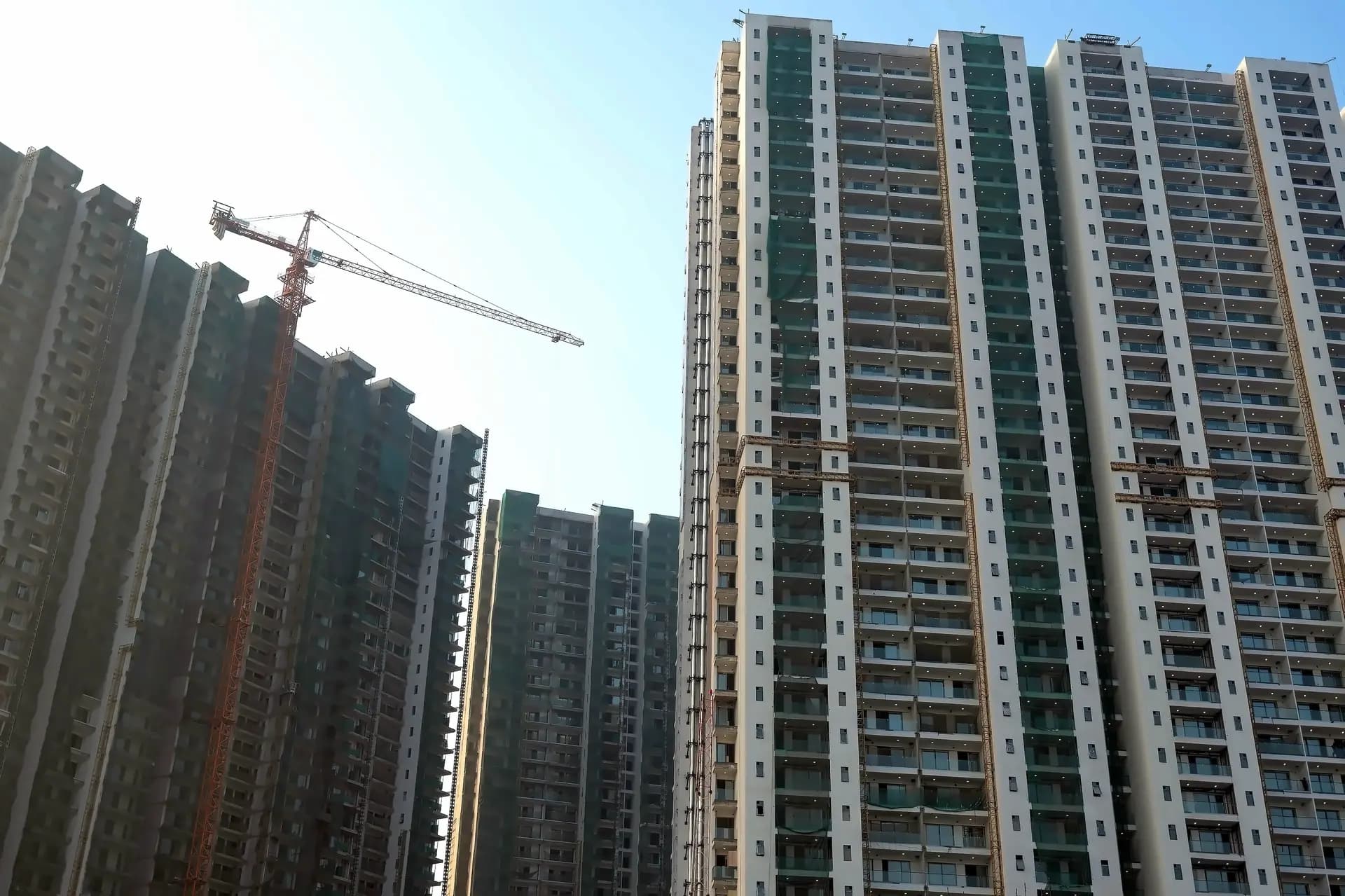
During the April-June quarter, Ashiana Housing acquired 28.55 acres of land on an outright purchase basis in Pune, marking the largest ever land deal by the company for a senior living project. The upcoming project will feature a saleable area of 20 lakh sq ft with a revenue potential of ₹1,800 crore. The company continues to seek land for both regular group housing and senior living projects to tap the strong housing demand, with the senior living segment moving beyond traditional models to include community, social interaction, companionship and wellness as core components of the proposition.
Addressing industry challenges, Gupta highlighted delays in building plan approvals and regulatory registrations as key issues affecting affordability. He emphasized the need for ease of doing business, rationalization of taxes, and availability of cheaper land and capital to enhance affordable housing supply. Speaking at a CII event, he noted that RERA has brought significant transparency to the real estate sector but called for additional reforms to reduce inefficiencies and delays. The company also faces challenges from rising construction costs due to a shortage of skilled workers.
The company's expansion strategy focuses on the senior living segment, which Gupta believes has great business potential given the aging population trends. Colliers India's report notes that senior living in India is at an inflection point similar to what organised retail or co-living saw a decade ago, with the opportunity demanding fundamentally different underwriting approaches that prioritize micro-market readiness, operating capability and long-term trust over land economics and development margins. The industry requires predictable environments with more reliable laws and higher ease of doing business to attract more capital into the real estate sector, with greater availability of land and lower-cost capital being important for increasing housing supply and improving affordability.