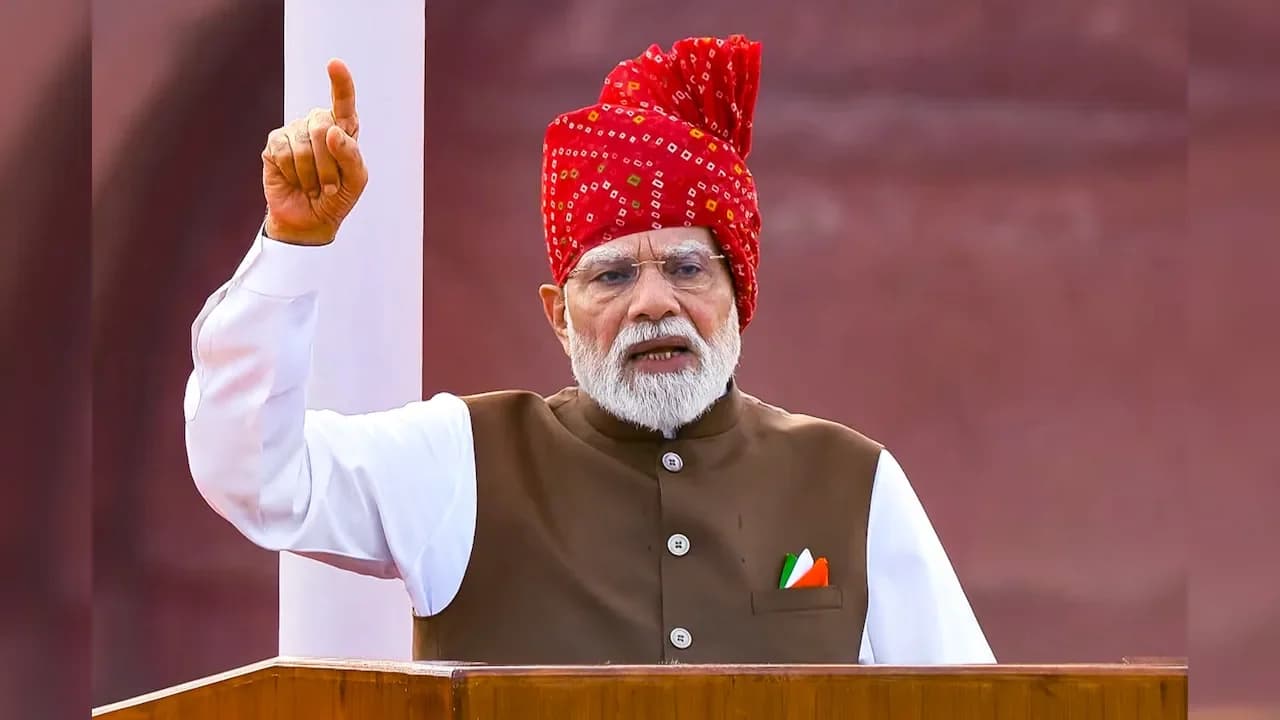
Chief Minister Vishnu Deo Sai has unveiled an ambitious Viksit Chhattisgarh 2047 vision that aims to build a prosperous, inclusive and opportunity-rich state by 2047. According to ETGovernment, the vision focuses on high-value manufacturing, green energy, technology, and social empowerment while moving beyond traditional reliance on mining, steel, and power extraction. The state's strategy marks a deliberate shift toward diversifying into tech, pharma, food processing, electronics, IT, and data centres while enhancing logistics and empowering tribal and women entrepreneurs. The Chief Minister emphasized that development must reach every section of society and every region from Bastar to Surguja, with the objective of creating an ecosystem where every citizen can thrive without needing to migrate elsewhere.
Chhattisgarh has received investment proposals worth more than ₹8 lakh crore since the implementation of its Industrial Policy 2024-30, as reported by ETGovernment. The state is placing considerable emphasis on implementation through the One Click Single Window System and the Ease of Doing Business Act 2026, which moves toward risk-based regulation, self-certification, and reducing unnecessary inspections. The Chief Minister stressed that receiving an investment proposal is only the beginning, with the real measure of success being its conversion into actual projects, production and employment. The state's approach focuses on government departments working as facilitators for investors rather than operating in silos, with the objective of reducing the time between investment decisions and commencement of operations.
Chhattisgarh's industrial strategy emphasizes value addition over resource extraction, with the state's geographical location providing significant advantages. As reported by ETGovernment, the state has more than 3,500 kilometres of national highways and a rapidly expanding rail network, allowing industries to connect efficiently with markets across different parts of the country. The state's Industrial Policy provides different incentives related to capital investment, interest, technology adoption, land, stamp duty and other components, with additional incentives for women entrepreneurs, Scheduled Caste and Scheduled Tribe entrepreneurs. The policy encourages investments in pharmaceuticals, textiles, food processing, electronics, IT, data centres, technology, green energy and other emerging sectors, while maintaining the importance of mining and core industries given the state's substantial mineral resources.
The vision includes comprehensive social empowerment initiatives that move beyond traditional assistance toward enterprise creation. According to ETGovernment, around 68 lakh women are receiving monthly financial assistance of ₹1,000 under the Mahtari Vandan Yojana, while about 13.85 lakh women in the state have become Lakhpati Didis. The state aims to move women beyond self-help groups toward becoming entrepreneurs, producers and providers of employment through access to skills, finance, technology, markets and institutional support. For tribal communities, the focus is on processing, branding, packaging, market linkages, e-commerce and tourism to move from selling raw forest produce to higher-value economic activities. The Bastar Munne and strengthened Niyad Nellanar programme are aimed at taking development and public services closer to people in remote villages, with initiatives such as Bastar Munne extending roads, rail, electricity, digital connectivity and government services to interior areas.
India faces a critical gap in its development strategy despite significant progress toward the Viksit Bharat 2047 goal. According to reports from Business Standard, while states like Chhattisgarh, Madhya Pradesh, Odisha, Rajasthan and Telangana unveiled their Viksit Rajya@2047 vision documents in 2025-26, a national policy paper has not been finalized. The NITI Aayog held consultations on the vision document in 2024 and 2025, discussing it with states at governing-council meetings, but no national strategy has emerged. The current approach appears to limit NITI Aayog's role to assisting states in designing state-specific development strategies under cooperative federalism, making Chhattisgarh's comprehensive vision particularly significant for India's overall development trajectory.