

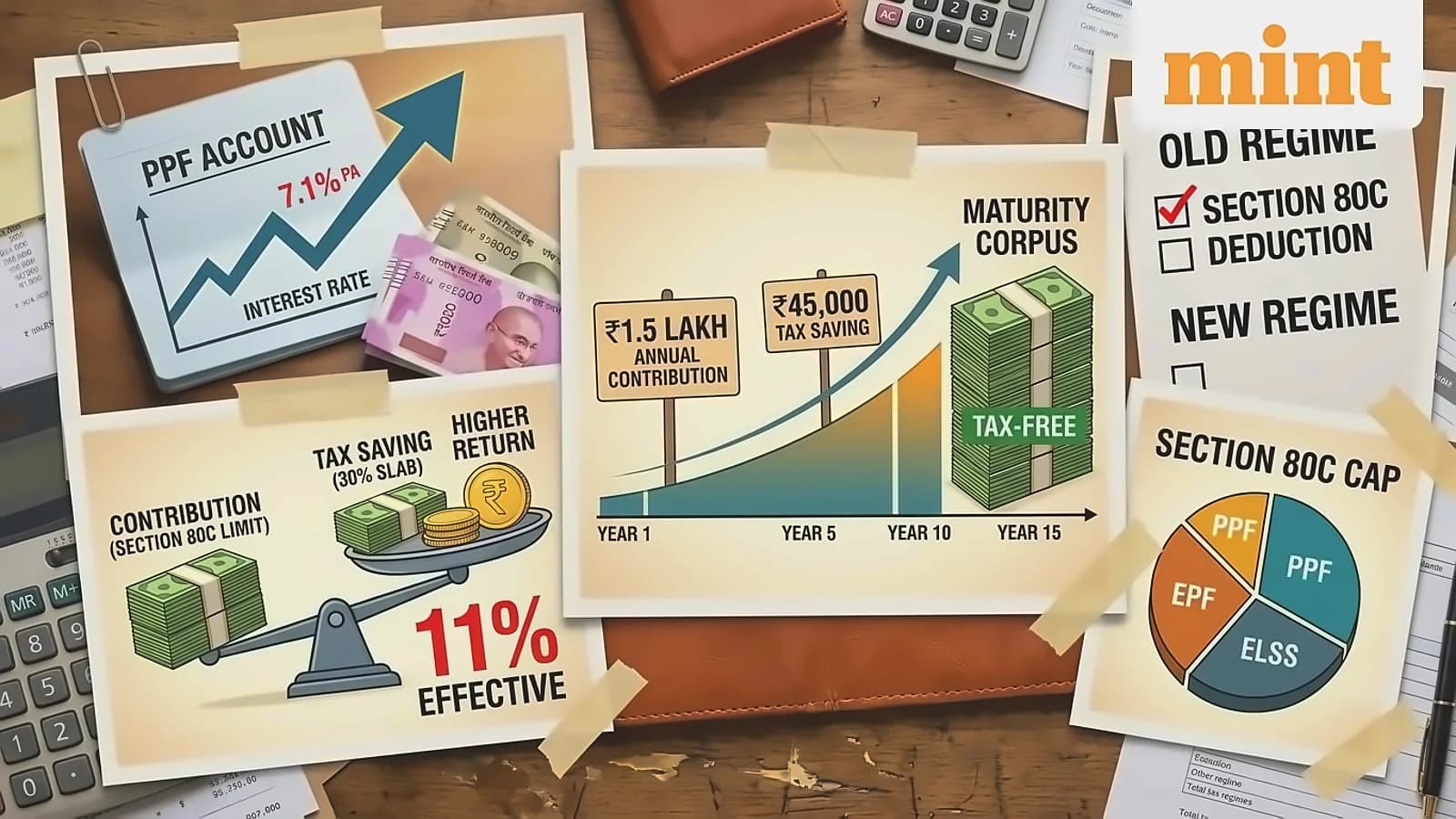

Despite offering 7.1% interest rate per annum and 'Exempt-Exempt-Exempt' tax status, many PPF investors make costly mistakes that reduce returns or eliminate key benefits. According to reports from Mint, these errors can significantly impact the final corpus and overall investment experience. The scheme remains popular among Indian residents as a long-term savings option with a 15-year lock-in period, but proper compliance is essential for maximizing benefits.
Failure to deposit the minimum ₹500 annual contribution results in account inactivity, restricting further deposits and access to benefits until maturity. As reported by Mint, accounts can be reactivated by visiting the operating branch with reactivation request and penalty payment. The scheme is available to all Indian residents but NRIs are not permitted to open PPF accounts.
Investing after the 5th of each month significantly affects interest calculations, with deposits made before the 5th included in that month's interest calculation. According to Mint, contributions made after the 5th start interest accrual from the following month, resulting in missed monthly interest opportunities. This timing difference can substantially impact long-term returns over the 15-year investment period.
Investing more than ₹1.5 lakh annually provides no additional benefits, with excess amounts earning no interest and offering no tax benefits upon maturity. As reported by Mint, banks or post offices may reverse accidentally credited interest on extra deposits, as PPF accounts are tied to PAN details. The annual ceiling includes deposits in the investor's own account plus any accounts opened for minor children.
PPF accounts cannot be opened at multiple banks or post offices, and joint accounts are not permitted under the scheme. According to Mint, authorities may treat additional accounts as irregular if discovered, as PPF accounts are linked to depositor PAN and identity details. Early closure before the 15-year lock-in period is permitted only after completing five full financial years under specific circumstances including medical treatment, education expenses, or residency changes.