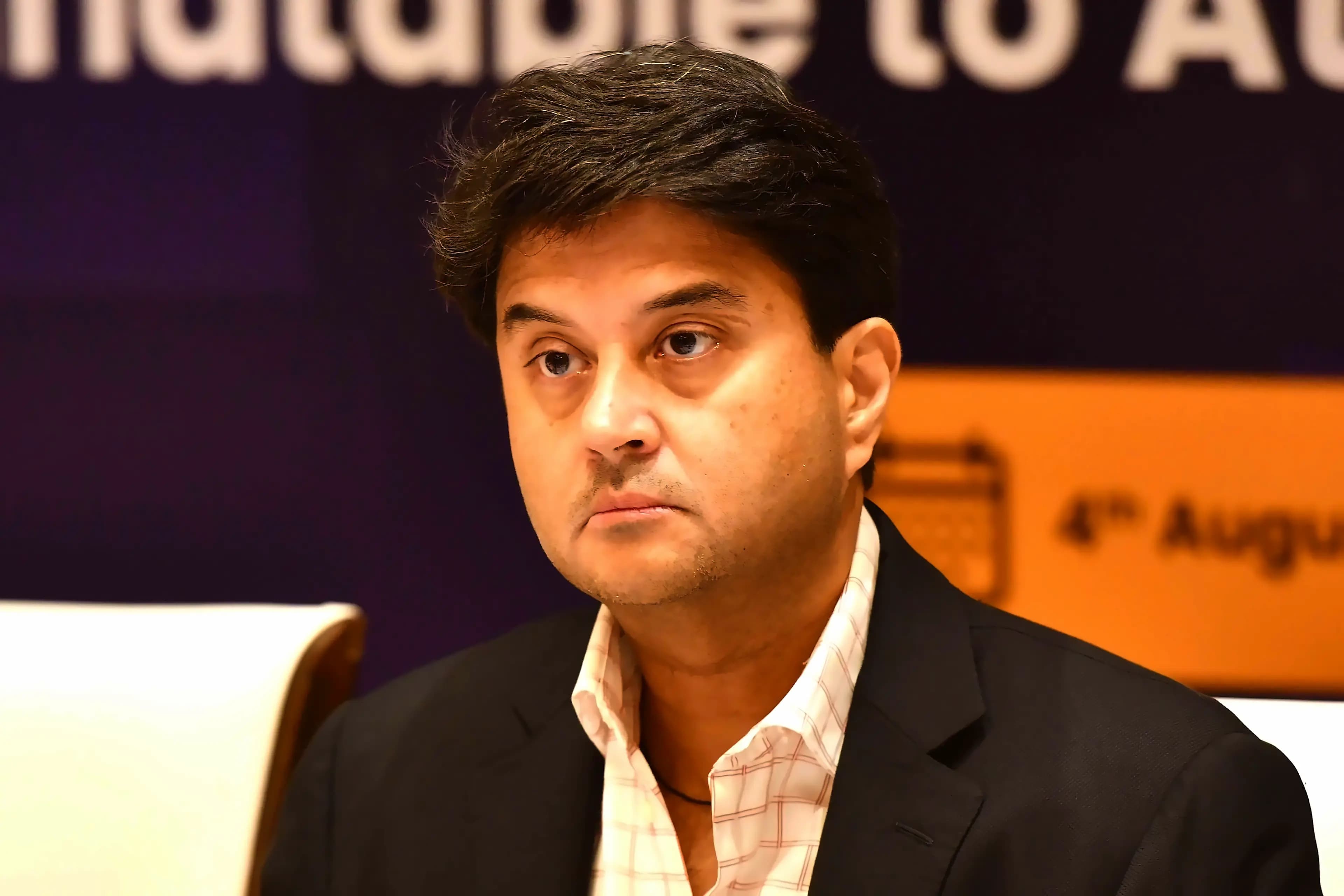
Communications Minister Jyotiraditya Scindia announced the establishment of an advisory panel to address issues faced by startups and MSMEs in the telecommunications sector at the Telecom Startups and MSME Conclave 2026. According to reports from ETEntrepreneur, the minister emphasized that industry players had raised their concerns through individual presentations, with 'very clear asks from the government' being set. The minister stated that 'I would like to set up an advisory group, like I have for the TSPs (telecom service providers)... an advisory group for our startups and MSMEs that would meet with me on a regular basis with your pain points so that we can resolve'. The government will act as a 'facilitator' to ensure Indian entrepreneurs can focus on product development as India 'moves from a consumer of technology to a creator and supplier of technology for the world'.
Indian entrepreneurs in the telecommunications sector have received seed funding from the Department of Telecommunications (DoT) through multiple schemes. As reported by Business Standard, these include the Digital Communication Innovation Square (DCIS), Telecom Technology Development Fund (TTDF), and Technology Development and Investment Promotion (TDIP) schemes. The DCIS scheme supports startups in developing and commercialising indigenous telecom products, while the TTDF scheme funds research and development in telecom technologies, particularly for rural connectivity. The TDIP scheme promotes India's participation in global telecom standardisation and the development of indigenous technologies.
The government's support has yielded significant results in commercialising indigenous telecom products. According to Business Standard, of around 200 investments under the DCIS scheme, 96 products across 80 companies had reached commercialisation. Commercialisation refers to the process of turning a developed product or technology into a market-ready offering that can be sold to customers and generate revenue. This success demonstrates the effectiveness of government funding in enabling companies to reach the stage of full commercialisation.
The Telecom PLI scheme has generated over ₹100,000 crore in sales and nearly ₹36,000 crore in exports, as announced by Minister Scindia. According to data from Niti Aayog, India has exported just about $1 billion worth of telecom products overseas, making up 0.23 per cent of India's overall exports as of 2024, while imports remained high at $3.6 billion. The minister emphasized that 'India has always been competitive and will continue to remain competitive' despite recent trade developments, including the US proposing fresh tariffs of up to 25 per cent on Indian goods, though this could be lowered to 17 per cent if trade agreements are reached. Industry executives are currently in a wait-and-watch mode as final tariffs are yet to be decided, with some products like smartphones and routers remaining outside the purview of proposed tariffs.
Telecom equipment manufacturers are adopting a cautious approach as trade developments unfold. According to industry executives, exports of optical fibre, optical fibre cables, base stations, antennas, customer premises equipment, and components to the US were limited and would remain at existing levels until January. As noted by Deloitte South Asia's Rohan Lobo, 'the impact was likely to be uneven since smartphones accounted for a large component of India's telecom-related exports and were outside the purview of both the additional US duty currently in force and the higher tariff proposed on November 25, 2026'. The minister highlighted India's remarkable growth trajectory, stating that India had grown from a few hundred startups in 2014 to more than 200,000, with the government aiming to replicate this growth in the telecom sector by supporting more companies through funding and policy interventions.