The Production-Linked Incentive (PLI) scheme has disbursed ₹19,091 crore to electronics manufacturers as of June 2026, according to data from the Department for Promotion of Industry and Internal Trade (DPIIT). As reported by PTI, the electronics sector emerged as the biggest beneficiary among the 14 sectors covered by the scheme, with the sector attracting ₹20,580 crore in total investments. The PLI scheme, launched in 2020 with an overall approved outlay of ₹1.91 lakh crore, has successfully boosted domestic mobile phone production and smartphone exports, with the programme's tenure extended by one year through 2025-26.
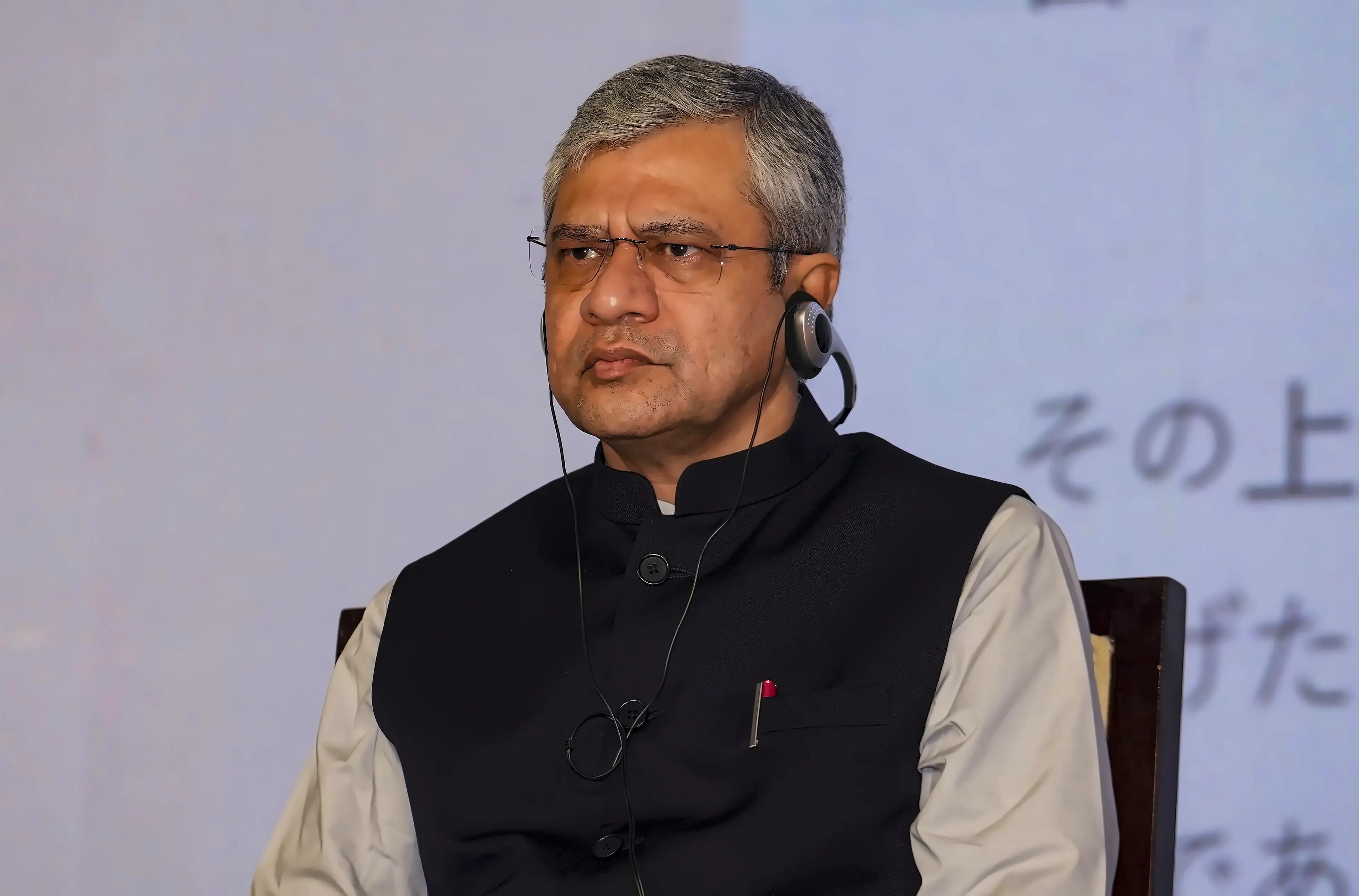
India is moving beyond smartphone assembly as domestic production of components and electronic materials expands significantly. According to reports from Business Today, Union Electronics and IT minister Ashwini Vaishnaw recently stated that India is increasingly producing components, sub-components and materials used in smartphones, moving beyond assembling finished devices. The minister highlighted domestic manufacturing of battery inputs, cameras, displays, speakers, PCBs and connectors, along with growing production of synthetic graphite, electrolyte additives and acetylene black used in lithium-ion battery manufacturing.
Smartphone exports have risen sharply during this period, increasing to about $30 billion in 2025-26 from $5.5 billion in 2021-22. Government data released by the Press Information Bureau shows that 99.2 percent of mobile phones used in India are now manufactured domestically. As reported by the PIB, India is also the world's second largest mobile phone manufacturer by volume, according to the government. This represents a significant shift in India's smartphone manufacturing landscape over the past decade, with more phones now being made locally and smartphones becoming one of the country's leading export commodities.
For the first time, the government has launched a comprehensive plan to support Indian mobile brands through the ₹62,500 crore Mobile Phone Manufacturing Scheme. As reported by Business Standard, IT Minister Ashwini Vaishnaw announced that the government is looking to support around three Indian mobile brands under this scheme. The Ministry of Electronics and Information Technology (Meity) has earmarked around ₹5,000 crore out of the ₹62,500 crore for the five-year scheme, with officials stating the money will not be a constraint if more is needed. To qualify for these incentives, companies must have a minimum revenue of ₹1,000 crore per annum, Indian nationals must hold at least 51 percent stake, and the company must own mobile patents in the country.

India has significantly stepped up efforts to establish a larger presence in the global semiconductor value chain, with the government seeking to move beyond chip assembly and testing to build capabilities spanning design, fabrication, equipment and materials. Under the second phase of the semiconductor programme, the government has committed ₹1.27 lakh crore to expand the domestic ecosystem and attract global investments. As per government estimates, nearly ₹1 lakh crore in investor interest has been seen under the second phase of the semiconductor scheme. This month saw major announcements including Applied Materials' USD 5 billion India plan through 2035, Lam Research's proposed ₹10,000-crore investment, Tata Electronics' 363-acre vendor park at Dholera and Fujifilm's ₹800-crore semiconductor materials plant.
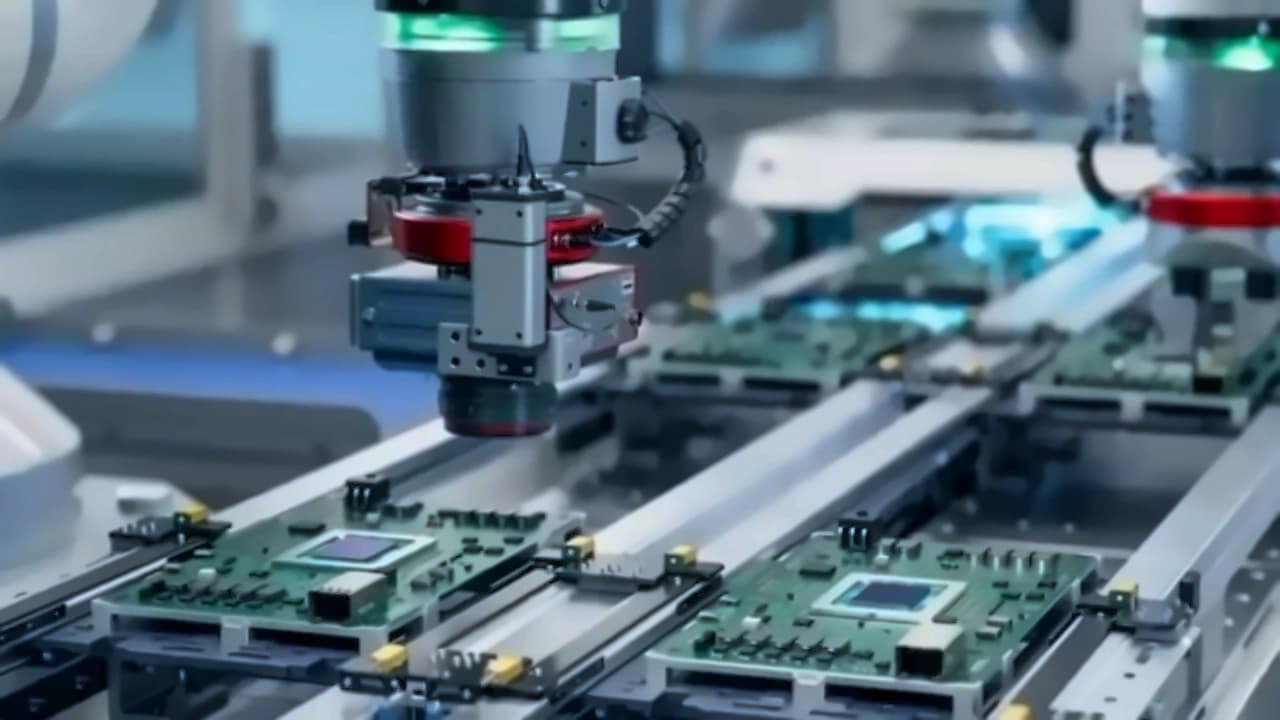
The push is being supported through the Electronics Components Manufacturing Scheme (ECMS) with substantial government backing. According to the PIB, 106 projects across 15 states had been approved under the scheme by August 2026, involving investments of ₹69,548 crore. Of these approved projects, 38 plants had already started production, while another 16 were at advanced stages of construction or machinery installation. The approved projects cover products such as printed circuit boards, camera modules, passive components and other electronics manufacturing equipment.