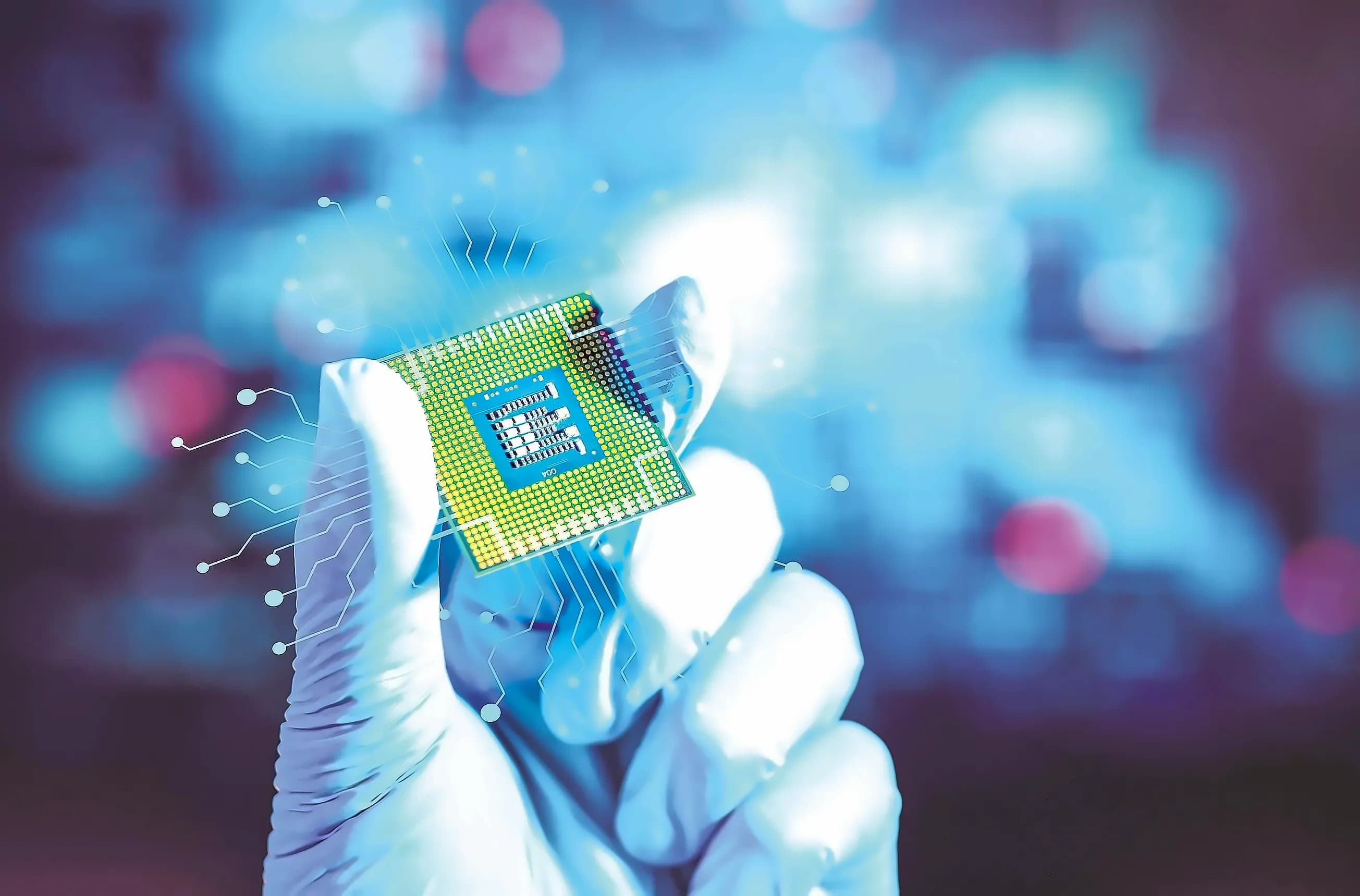
Defence Minister Rajnath Singh has outlined India's comprehensive vision for defence self-reliance at the NDTV Defence Summit 2026, emphasizing the need to reduce dependence on foreign suppliers across the entire defence supply chain. Singh stated that "From chips to ships, from screws to complete weapon systems, this will take India to strategic autonomy." As reported by NDTV, he emphasized that "Our philosophy is simple: why buy what can be produced here?" The Defence Minister highlighted that India's youth are working on AI, building drones, working on robotics, developing quantum technologies and creating cyber security solutions, positioning them as key drivers of future defence capabilities. Army Chief Dhiraj Seth described modern conflicts as "wars with pause," noting that technology shortens individual battles while extending overall warfare, making Atmanirbharata (self-reliance) the decisive factor for victory during prolonged crises.
The Confederation of Indian Industry (CII) announced that India's manufacturing sector is shifting from simply expanding capacity to building domestic supply chains, developing technology and integrating deeper with global markets as the Make in India initiative completes 12 years. As reported by The Economic Times, Chandrajit Banerjee, Director General, CII, emphasized that "India's manufacturing opportunity is no longer only about substituting imports; it is about building deeper capabilities that can compete globally." The industry body noted that the Make in India initiative has evolved from its initial focus on attracting investment and promoting manufacturing into a broader programme covering production incentives, supply-chain development, innovation, industrial infrastructure and access to global markets. R Mukundan, President, CII, highlighted that "A large market attracts businesses. A competitive production base creates businesses. A country that can combine both, while developing technology, talent, infrastructure and capital, can shape global value chains."
The **Production Linked Incentive (PLI) schemes have attracted actual investments of ₹2.58 lakh crore as of June 2026, generating production and sales worth ₹23.79 lakh crore and supporting exports of ₹15.53 lakh crore. According to The Economic Times, these schemes have also supported over 14.57 lakh direct and indirect jobs. The government has disbursed ₹36,754 crore to beneficiary companies under the PLI schemes as on June 30, 2026, as reported by the commerce and industry ministry. The government introduced the PLI programme in 2020 across 14 sectors to strengthen domestic manufacturing, attract investments, expand exports and reduce dependence on imports, with the schemes carrying a combined approved outlay of ₹1.91 lakh crore. The pharmaceutical sector received the second-highest allocation at ₹6,662 crore, followed by food products at ₹3,271.44 crore and automobiles and auto components at ₹3,174.15 crore. The electronics PLI scheme has emerged as the biggest beneficiary, receiving ₹19,090.98 crore in incentives through June 2026, with companies making ₹20,580.20 crore in investments.
The Production Linked Incentive (PLI) scheme for bulk drugs has attracted total investment of ₹5,210.74 crore as of June 2026, with 39 projects for manufacturing 28 active pharmaceutical ingredients/key starting materials (APIs/KSMs) being commissioned. According to the Ministry of Chemicals and Fertilisers, the scheme has achieved sales of ₹3,792.49 crore, including exports of ₹560.16 crore, while generating employment opportunities for 5,127 people. The government had approved the scheme in 2020 with a total financial outlay of ₹6,940 crore. Notable projects include Lyfius Pharma Pvt Ltd's ₹2,270.05 crore Penicillin G facility with 15,000 MT per annum capacity at Kakinada SEZ, Kinvan Pvt Ltd's ₹504.68 crore Clavulanic Acid facility generating 465 direct jobs at Nalagarh, Himachal Pradesh, and Centrient Pharmaceuticals India's ₹161.13 crore Atorvastatin API facility in Nawanshahr, Punjab, which has recorded cumulative production of ₹432 crore. Five greenfield projects have commissioned manufacturing facilities, demonstrating growing scale and diversity of domestic production covering critical ingredients for antibiotics, cardiovascular medicines and paracetamol.
India's large-scale electronics manufacturing sector has emerged as the biggest beneficiary of the government's Production Linked Incentive programme, receiving ₹19,090.98 crore in incentives through June 2026. According to data from the Department for Promotion of Industry and Internal Trade, companies covered under the large-scale electronics manufacturing scheme have made ₹20,580.20 crore in investments so far. The large-scale electronics manufacturing scheme was specifically designed to build India's mobile phone manufacturing ecosystem, with thirty-two companies approved as beneficiaries under the programme. The scheme, originally planned for five years through 2024-25, was extended by another year until 2025-26. India has since strengthened its position as a major mobile manufacturing hub, with smartphone exports surging to around $30 billion in 2025-26, compared with $5.5 billion in 2021-22. Under the framework, eligible companies receive financial incentives based on incremental sales over a specified base year, with the scheme carrying a combined approved outlay of ₹1.91 lakh crore across all PLI sectors.
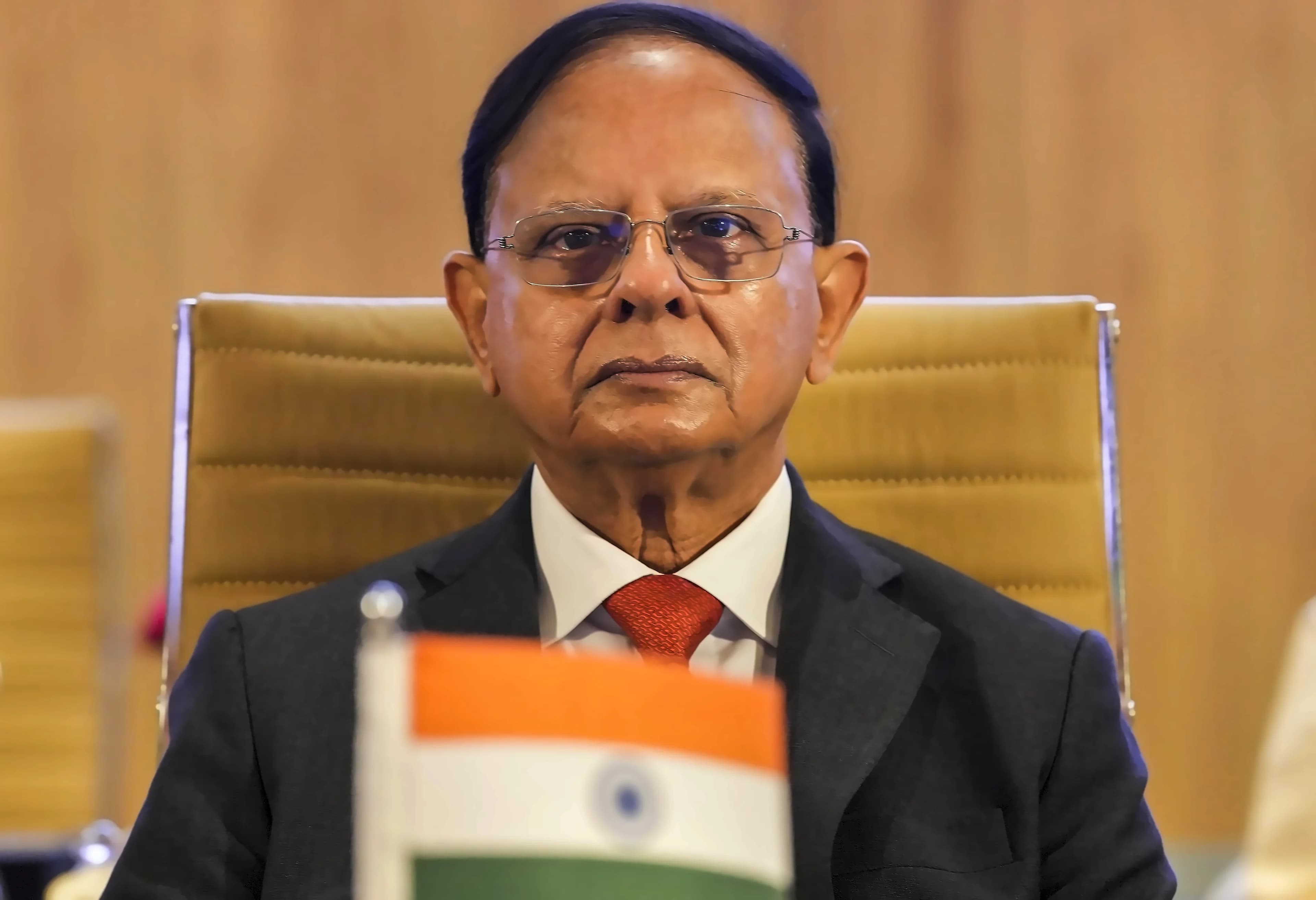
India's merchandise trade deficit widened to ₹147.09 billion in April-August 2026-27, compared to ₹123.88 billion in the same period last year, according to commerce ministry data. As reported by Business Standard, merchandise imports rose to ₹363 billion from ₹307.09 billion, while exports increased to ₹215.91 billion from ₹183.21 billion. Pramod Kumar Mishra, Principal Secretary to Prime Minister Narendra Modi, emphasized that India must reduce its dependence on imports and make goods domestically and competitively to address these growing trade imbalances. Speaking at the State Bank of India's annual banking and economics conclave in Mumbai on Wednesday, Mishra stressed that "We must make things at home and competitively. Efforts are being made to improve our manufacturing performance and skilling of young people."