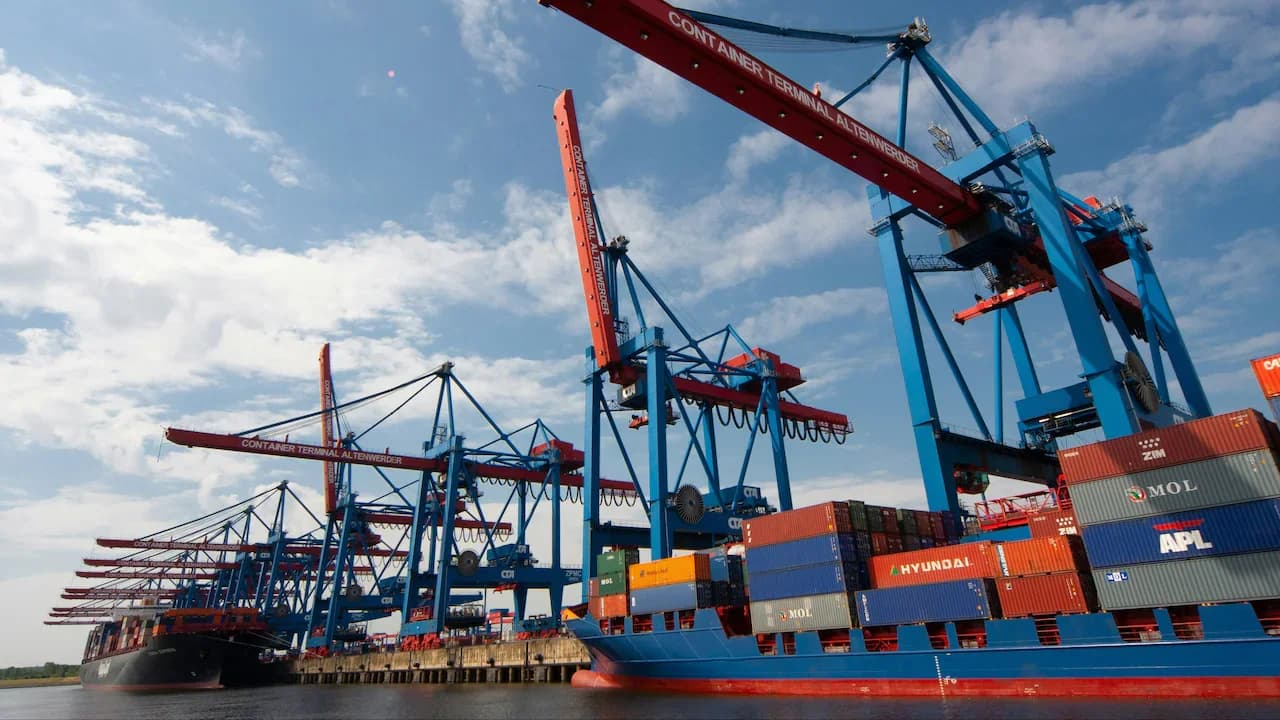
The government has constituted six sector-specific working groups to identify as many as 100 products for promoting domestic manufacturing and reducing import dependence. According to reports from Business Standard, these groups aim to promote indigenisation of products and will be chaired by the secretary in the Department for Promotion of Industry and Internal Trade (DPIIT). The final list prepared by these groups will be submitted to the cabinet secretariat within three weeks.
The six groups cover diverse manufacturing sectors including pharmaceuticals, biotech and medical devices; chemicals and petrochemicals, textiles and footwear; capital goods, automotive and electric vehicles, advanced capital goods; energy; construction equipment and infrastructure; and defence and aerospace (for items with civilian applicability). As reported by Business Standard, the groups comprise members from different ministries and departments including commerce, DPIIT, Niti Aayog, pharmaceuticals, economic affairs, science and technology, chemicals, textiles, heavy industry, ports and shipping, electronics and IT, road transport, new and renewable energy, and oil. The latest reports confirm that electronics has been added as an additional sector to the existing group structure.

According to Business Standard, these groups will identify products that are either not manufactured in India or are produced in inadequate quantities to meet the country's requirements. The objective is to expand manufacturing for both domestic and global markets, with the move also aimed at reducing the outflow of foreign exchange, which is hurting the value of the Indian currency. India's imports were up 7.5 per cent to $775 billion in 2025-26.
As reported by Business Standard, the products which were mainly imported by India in the last fiscal include crude oil ($174 billion), vegetable oil ($19.5 billion), fertiliser ($16 billion), ores and minerals ($14.12 billion), Coal, Coke & Briquettes ($27.9 billion), chemicals (about $28 billion), artificial resins, plastic materials ($22.75 billion), machinery ($61.73 billion), transport equipment ($34.75 billion), and electronic goods ($116.2 billion).