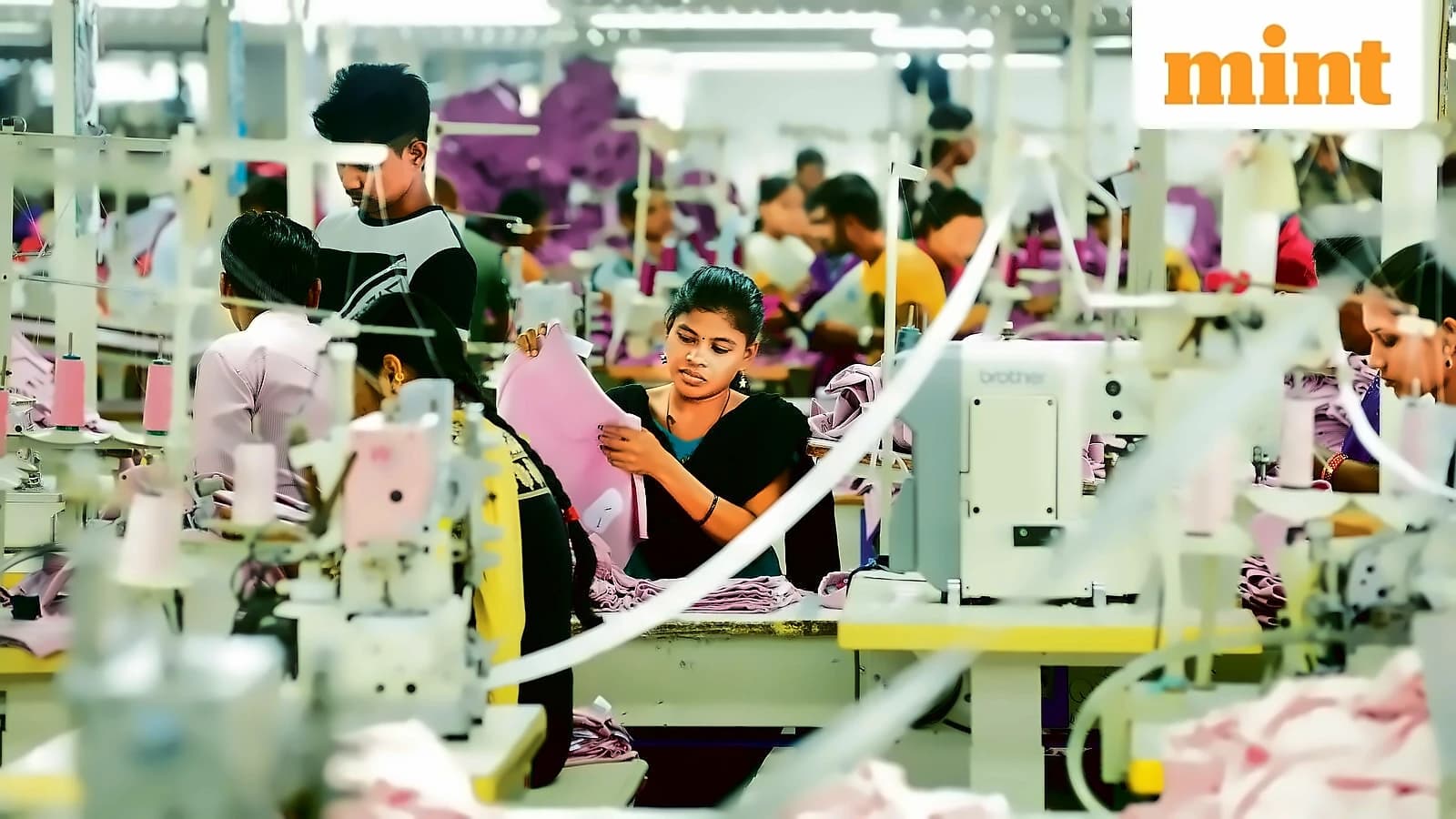
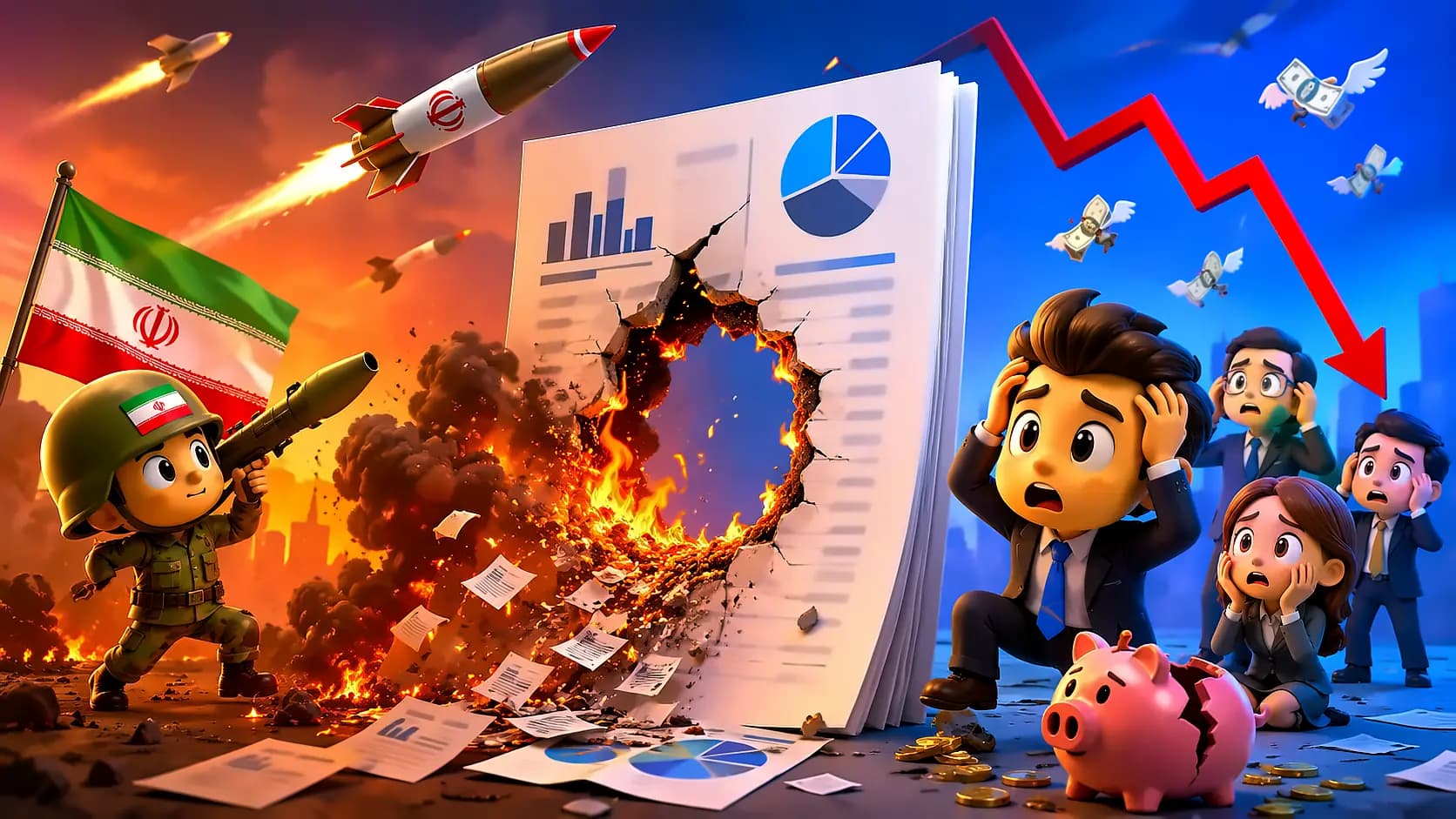
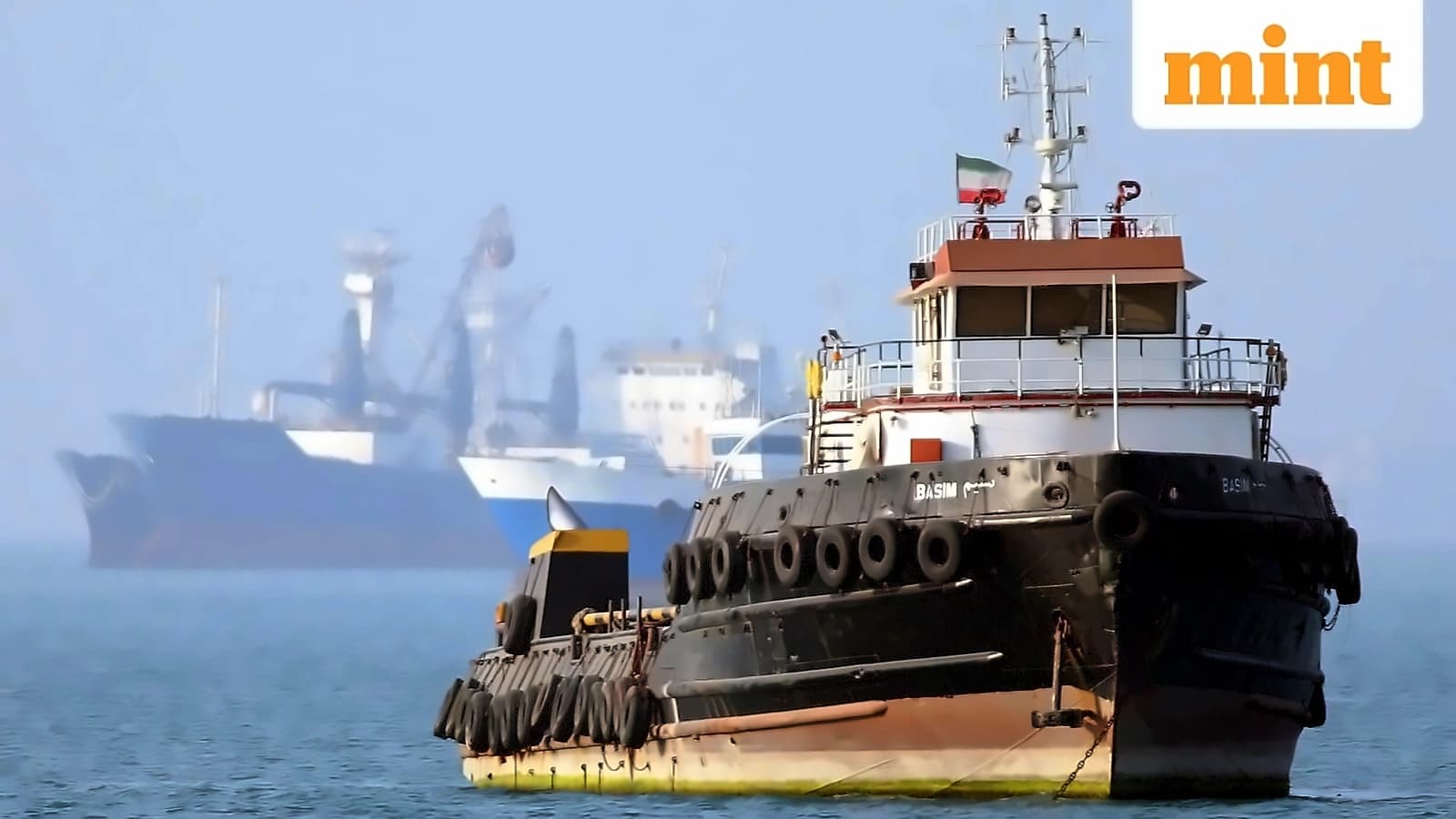
India's micro, small and medium enterprises (MSME) sector is bracing for higher energy and commodity prices following the collapse of the fragile 60-day ceasefire between the US and Iran. According to reports from Mint, the ceasefire failed to hold after US President Donald Trump dissolved it on 8 July, calling negotiations with Iran a "waste of time" and leading to heightened uncertainty about the Strait of Hormuz. This crucial trade artery is responsible for a fifth of the world's energy trade, creating significant supply chain disruptions for Indian businesses.
The collapse of the ceasefire threatens to increase input costs for MSMEs through higher energy and commodity prices. As reported by Mint, oil prices have already risen with the September Brent crude contract rising to $78.70 on 9 July from $72.72 on 7 July. According to Veeramani C., professor and director at the Centre for Development Studies, the primary concern is curbs being put in place for essential commodities and energy supplies, which could result in production halts when businesses are unable to source essential raw materials. The uncertainty about supply curbs due to shortages represents the biggest worry for MSME operations.
The government has implemented significant support mechanisms to help MSMEs navigate the crisis. According to Mint, on 5 May, the Centre launched the Emergency Credit Line Guarantee Scheme (ECLGS) 5.0 to provide additional working capital to businesses struggling with liquidity stress due to the war in West Asia. More than 400,000 businesses have availed of the scheme, which aims to provide ₹2.55 trillion in additional credit for struggling businesses. Of this, approximately ₹1.55 trillion in credit has been unlocked via approximately 411,000 credit guarantees, largely by MSMEs.
Despite the challenges, sector representatives express confidence in MSME resilience. As reported by Mint, Vinod Kumar, president of the India SME Forum, which represents nearly 100,000 MSMEs, stated that "Indian MSMEs have learnt to navigate global disruptions with remarkable resilience." India's MSME businesses, which contribute 31.1% of the country's gross domestic product and make up 48.58% of exports, have faced multiple crises including the COVID-19 pandemic. Anil Bhardwaj, secretary general of the Federation of Indian Micro and Small & Medium Enterprises, representing 270 MSME interest groups, noted that "MSMEs also will have to brace for the new normal," referring to constant global hurdles impacting the sector.