The United Nations Conference on Trade and Development (UNCTAD) has issued fresh warnings about the escalating impact of Middle East tensions on global trade. After a month of relative calm in August, fighting in the Gulf resumed with Iran and the U.S. exchanging fire, sending global oil prices back up to levels unseen since July. Brent crude prices were up more than 2% on Tuesday, above $99 per barrel. The conflict has also triggered Houthi attacks on southwestern Saudi Arabia, which have the potential to deepen the economic impact by disrupting Middle East energy supplies beyond the blockaded Strait of Hormuz.
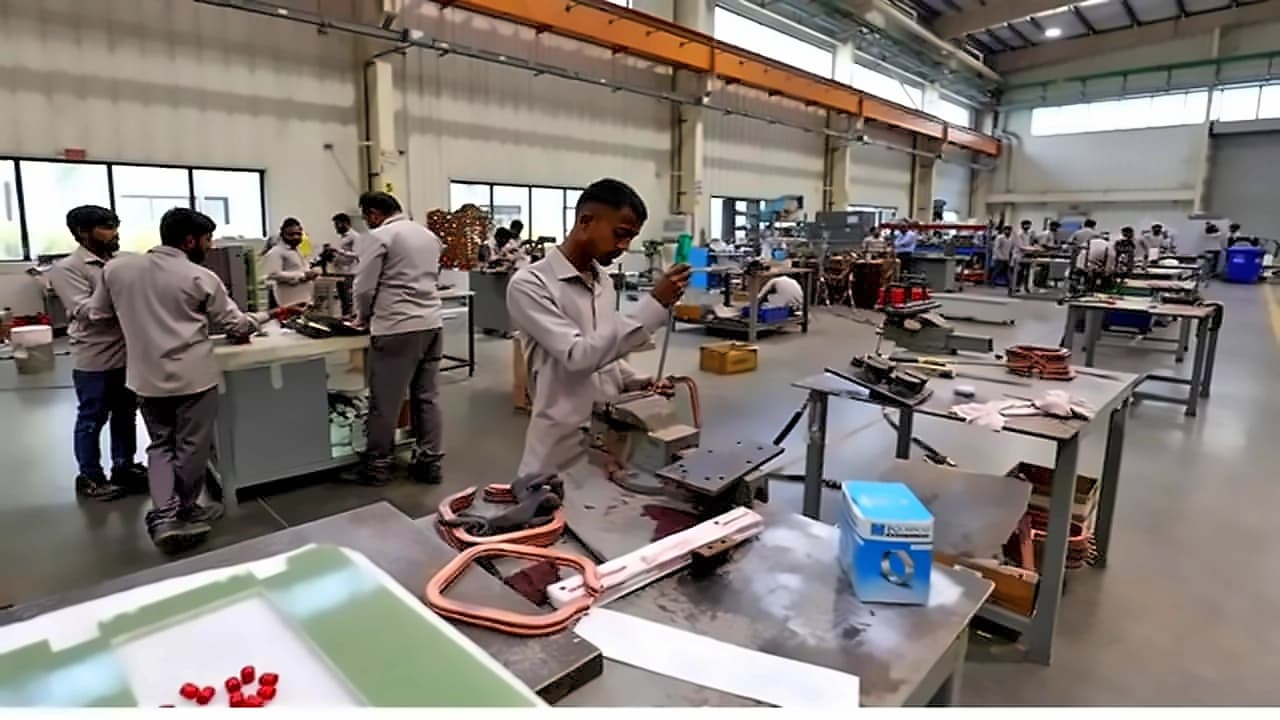
The United Nations Conference on Trade and Development (UNCTAD) has identified significant vulnerabilities for small and medium enterprises in potential disruptions to the Strait of Hormuz. According to UNCTAD's latest report, disruptions in the Strait of Hormuz could push small firms out of global value chains, increasing economic concentration and weakening the resilience of international trade. The agency characterizes this as an SME exclusion effect, arguing that Hormuz risk particularly impacts companies unable to spread costs across multiple suppliers, markets, and lenders. As UNCTAD spokesperson Marcelo Risi explained, "The risk is not only that trade slows globally. It is that smaller firms can be really pushed out of the value chains, even when overall trade begins to recover."
The report reveals the substantial economic role of small and medium enterprises globally. As reported by UNCTAD, micro, small, and medium firms represent 90% of global businesses, 70% of employment, and 50% of GDP, drawing on International Labour Organization figures. Small firms face disproportionate cost exposure compared to larger competitors, with importing costs showing the most significant disparity. Small firms in developing economies spend 19.4% of import value on customs fees, broker payments, and other requirements, while large firms spend only 14.7%. Recent shocks have already been reflected in higher crude prices, lower shipping transit volumes and rising borrowing costs, weighing particularly hard on SMEs. The disruptions risk ripple effects far beyond the shipping lanes, as smaller companies could be forced to scale back production, delay investments or exit value chains altogether.

The financial burden on small enterprises extends beyond import costs to electricity and financing. According to UNCTAD's analysis, one in four small firms in developing economies pays more than 4.2% of sales for power, compared to 3.7% for large firms. Financing accessibility presents another critical challenge, with 48% of small firms in developing economies treating access to finance as an obstacle, versus 38% of large firms. Average SME borrowing costs in developing economies run near 15.8%, compared to 10.3% for larger borrowers. These higher relative operating costs, including electricity and import compliance, leave SMEs particularly vulnerable to the current conflict-driven price increases.
Historical evidence from the COVID-19 pandemic supports UNCTAD's warnings about small business vulnerability. As reported by UNCTAD, 88% of small firms in developing economies reported falling sales during the pandemic, compared to 81% of large firms. The economic impact was more severe for smaller businesses, with declines averaging 57% for small firms and 47% for large ones. UNCTAD warns that as energy, transport and financing costs climb, margins shrink and supply chains become disrupted, forcing firms to scale back production or exit altogether.
UNCTAD has outlined specific policy measures to address small business vulnerabilities. The agency recommends that governments shield SME access to trade finance, liquidity, and working capital. Additionally, UNCTAD suggests policymakers should monitor whether smaller firms maintain their market connections through shocks, rather than focusing solely on trade flows and sales data. UN Secretary-General António Guterres emphasized the critical importance of micro, small and medium-sized enterprises as engines of job-creation, stating that they are critical to every country's future. UNCTAD warns that when smaller firms drop out of value chains, unemployment rises, household incomes fall, and social vulnerability deepens.