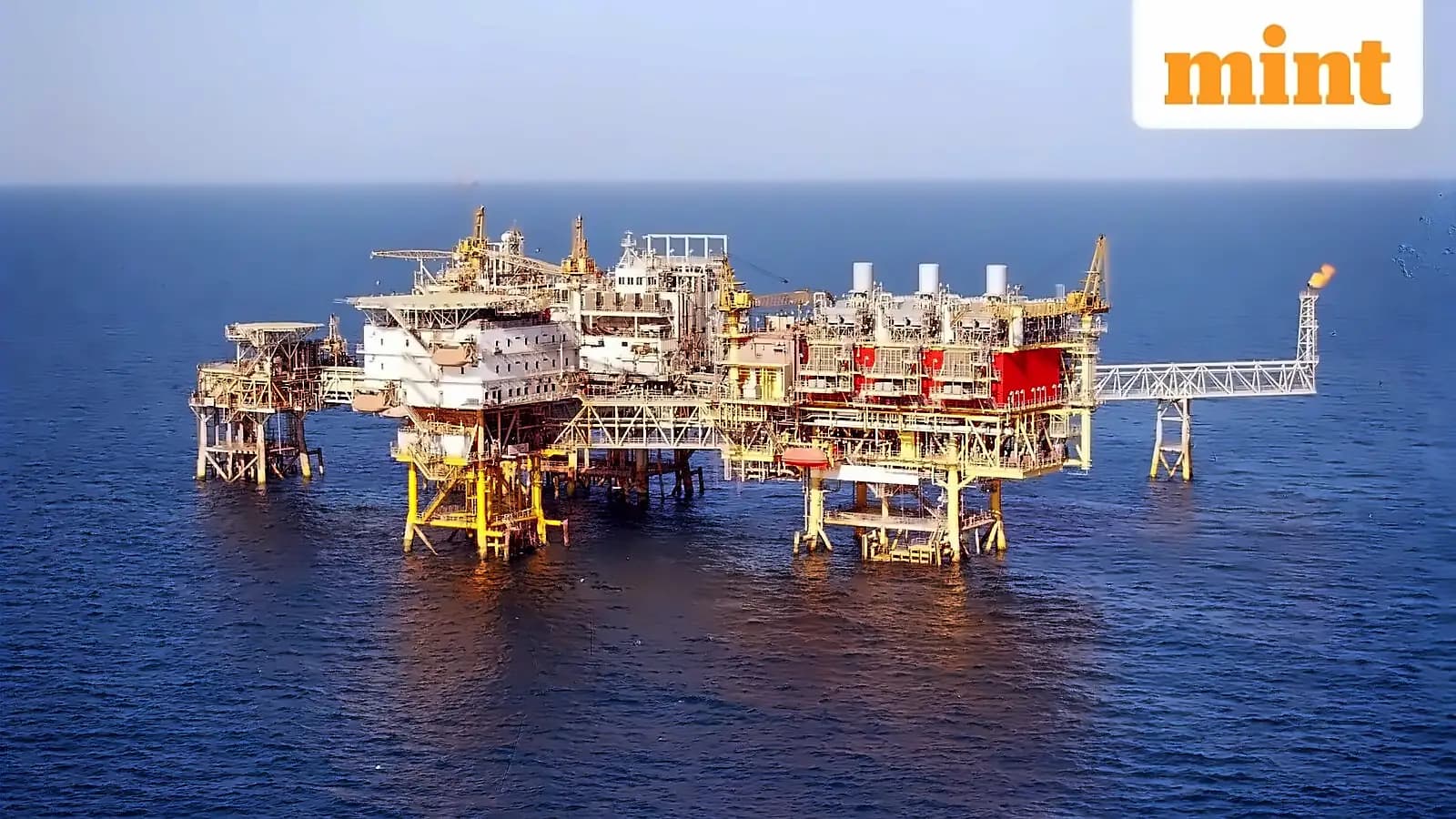
The Indian rupee opened at a fresh record low as soaring crude oil prices and global market pressure continued to impact the economy. Brent crude prices have risen above $111 per barrel, significantly increasing concerns over inflation and import costs in India. This latest development compounds the existing challenges from the West Asian geopolitical crisis that has already triggered a 100 basis points hit to profit margins across more than 600 listed Indian companies, making margins the lowest in 12 quarters. An analysis of companies across 47 sectors (excluding BFSI and oil & gas) found revenue growth of around 8% in Q1 FY27, slightly below the decadal average of 9%. As reported by Crisil Intelligence, higher revenue growth is primarily driven by cost-push factors rather than volume expansion.
The ceramic industry has been particularly severely affected, with Morbi's ₹10,000 crore revenue loss during a 45-day shutdown due to natural gas shortages. According to Crisil Intelligence, sectors dependent on crude oil and natural gas face margins declining by 300 basis points. In the paint sector, titanium dioxide prices have risen by over 20% and styrene costs have almost doubled, with companies managing to pass on only 10% of the cost impact to consumers. Kansai Nerolac Paints reported an 8% sequential decline in profit to ₹112.27 crore in Q4 FY26. The manufacturing sector faces additional pressure from gas prices rising to ₹73 per cubic foot from ₹40 before the crisis, with companies managing to pass on only 20% of higher costs. Techno Sportswear's managing director Sunil JhunJhunWala experienced a 40% increase in input costs including polyester filament yarn, dyes, chemicals and packaging materials.
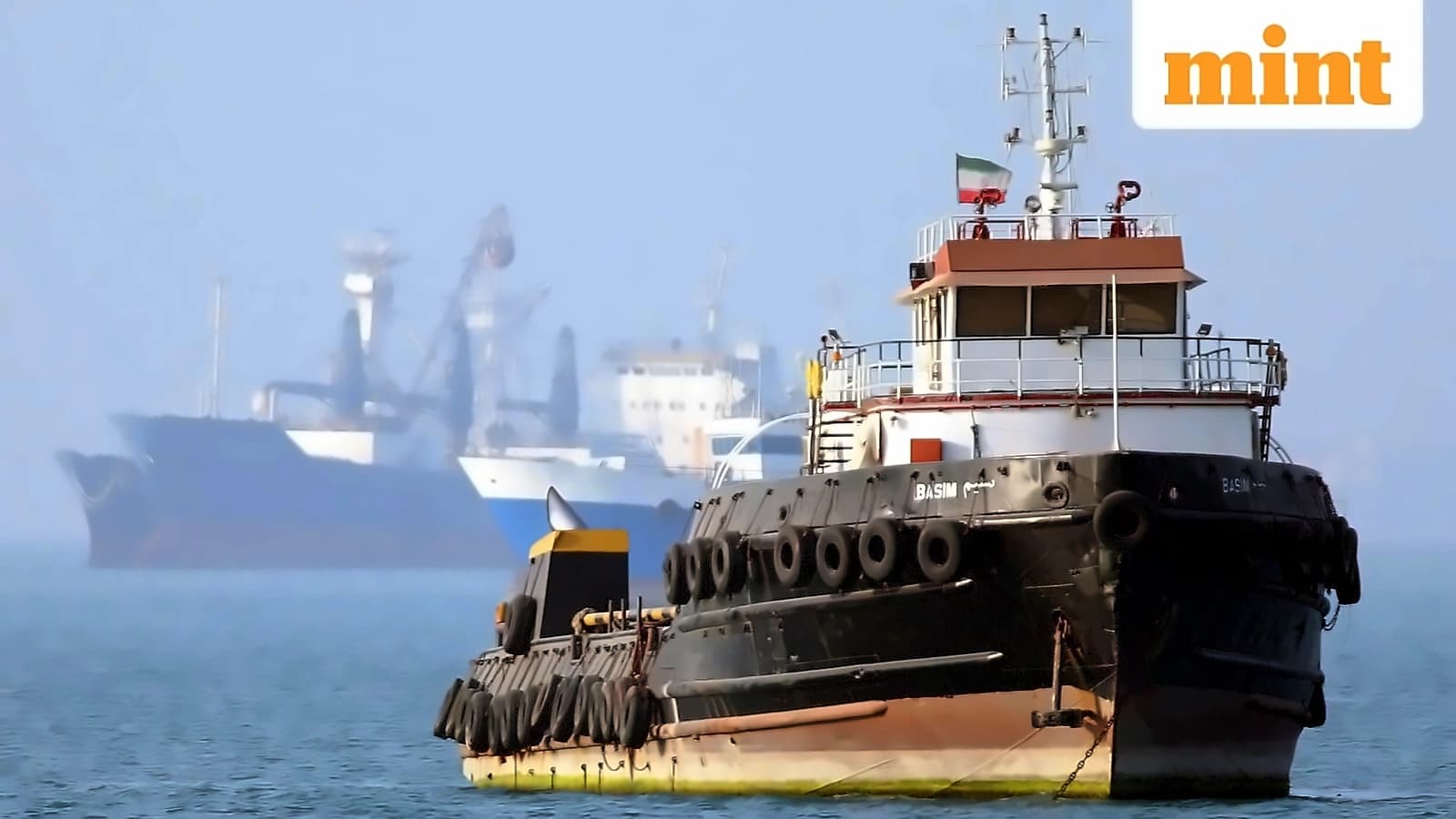
As reported by Crisil Intelligence, the Strait of Hormuz disruption affects 15% of global crude oil needs and 50% of China's consumption, creating supply chain challenges. The ceramic sector faces particularly acute challenges with gas prices rising to ₹73 per cubic foot from ₹40 before the crisis, while companies manage to pass on only 20% of higher costs. Morbi Ceramic Manufacturers' Association president Manoj Arvadhya noted that costs have risen by 40% while price increases were limited to 20%. The manufacturing sector's ability to absorb these cost pressures is becoming increasingly strained as the crisis deepens.
According to Elara Capital, India Inc's ability to pass through higher costs is patchy, with some companies absorbing costs to balance revenue versus volume risk. Hindustan Unilever's CEO Priya Nair reported 2% to 5% price increases to offset input cost escalation, while Dabur's CEO Mohit Malhotra announced 4% price increases across different business segments. In the auto sector, Maruti Suzuki's profit fell 6% year-on-year to ₹3,659 crore and Hyundai Motor India's profits declined 22% to ₹1,256 crore in the March quarter. Bajaj Auto and Mahindra and Mahindra cited supplier challenges from the West Asian crisis affecting vehicle production.
Despite the challenges, the aluminium industry has benefited with 20% price increases as Indian players compete with West Asian producers. As reported by Crisil Intelligence, services companies like IT exporters have escaped significant impact, while power, telecom, healthcare and pharmaceutical sectors remain unaffected. Hindustan Unilever's CEO expressed optimism about FY27 outperforming FY26 despite short-term volatilities, though analysts warn of potential demand destruction from fuel price increases of up to ₹3 per litre and possible monsoon shortfalls affecting rural demand. According to economist Dr John Sfakianakis, while India faces significant exposure, it is not the most affected large economy globally, with Pakistan, the Philippines, South Korea, and parts of Africa also facing similar crises.