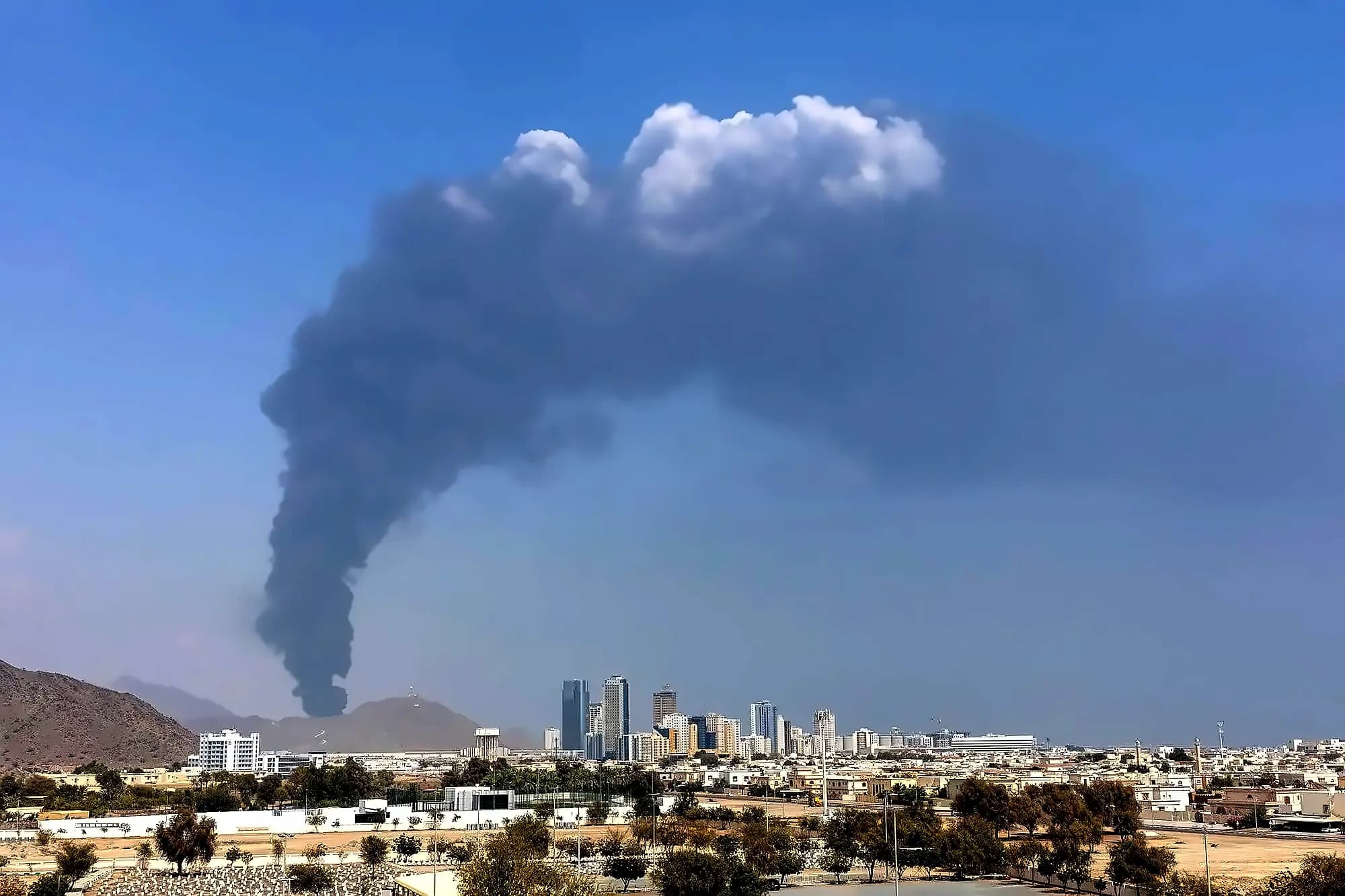
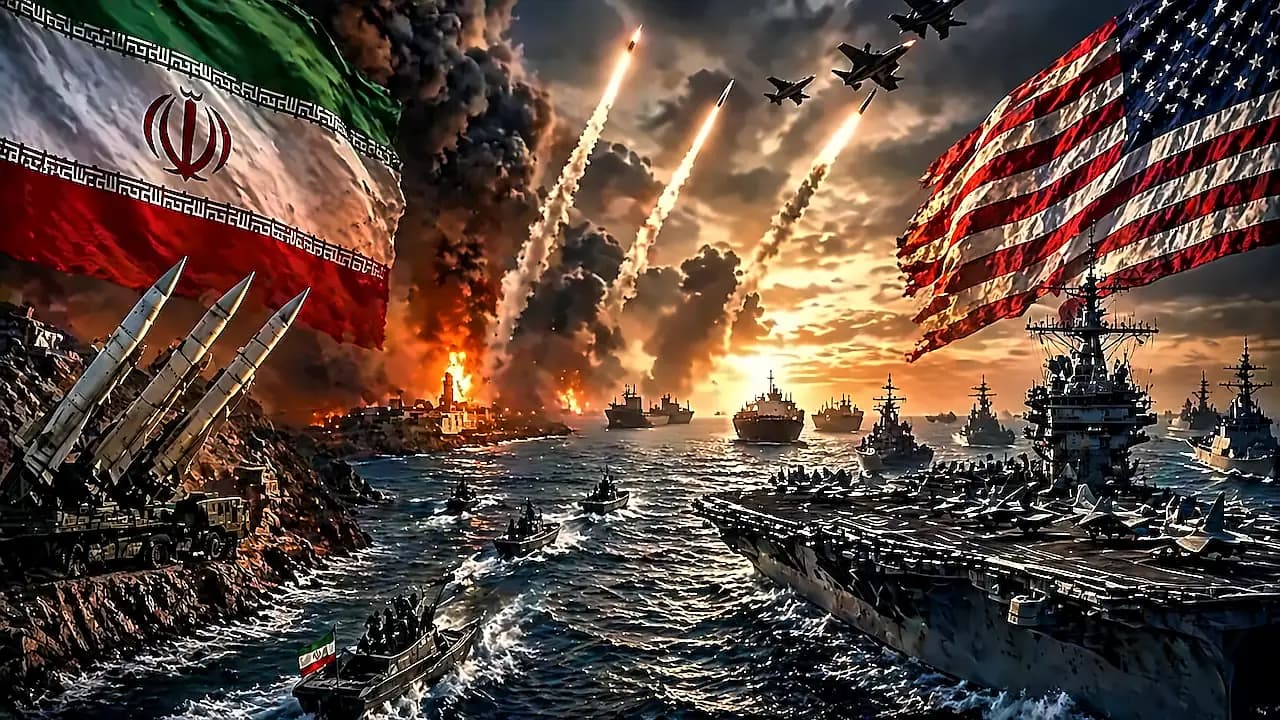
President Trump announced he has paused a planned attack on Iran after receiving requests from leaders of Qatar, Saudi Arabia, and the United Arab Emirates. In a social media post, Trump stated the leaders had requested he hold off on the attack because 'a Deal will be made, which will be very acceptable to the United States of America, as well as all Countries in the Middle East, and beyond.' Speaking to reporters, Trump expressed satisfaction with the potential outcome, saying 'There seems to be a very good chance that they can work something out. If we can do that without bombing the hell out of them, I would be very happy.' The development comes after six weeks of war that followed US-Israeli airstrikes on Iran, with a fragile ceasefire currently in place.
The US-Israeli war with Iran has already caused at least $25 billion in losses across global companies, according to Reuters analysis. At least 279 companies have implemented cost-cutting measures, including price increases, production cuts, fuel surcharges, and spending reductions. One in five companies reviewed reported direct financial impacts from the conflict, with affected sectors ranging from airlines and carmakers to detergent makers, cosmetics firms, and cruise operators. The upheaval represents the latest in a series of discombobulating global events for business following the COVID-19 pandemic and Russia's invasion of Ukraine, with little sense that an agreement to end the conflict is forthcoming. As the bottleneck drags on, more companies from other industries are sounding the alarm, with McDonald's CEO Chris Kempczinski saying elevated gas prices are hurting lower-income consumer demand.
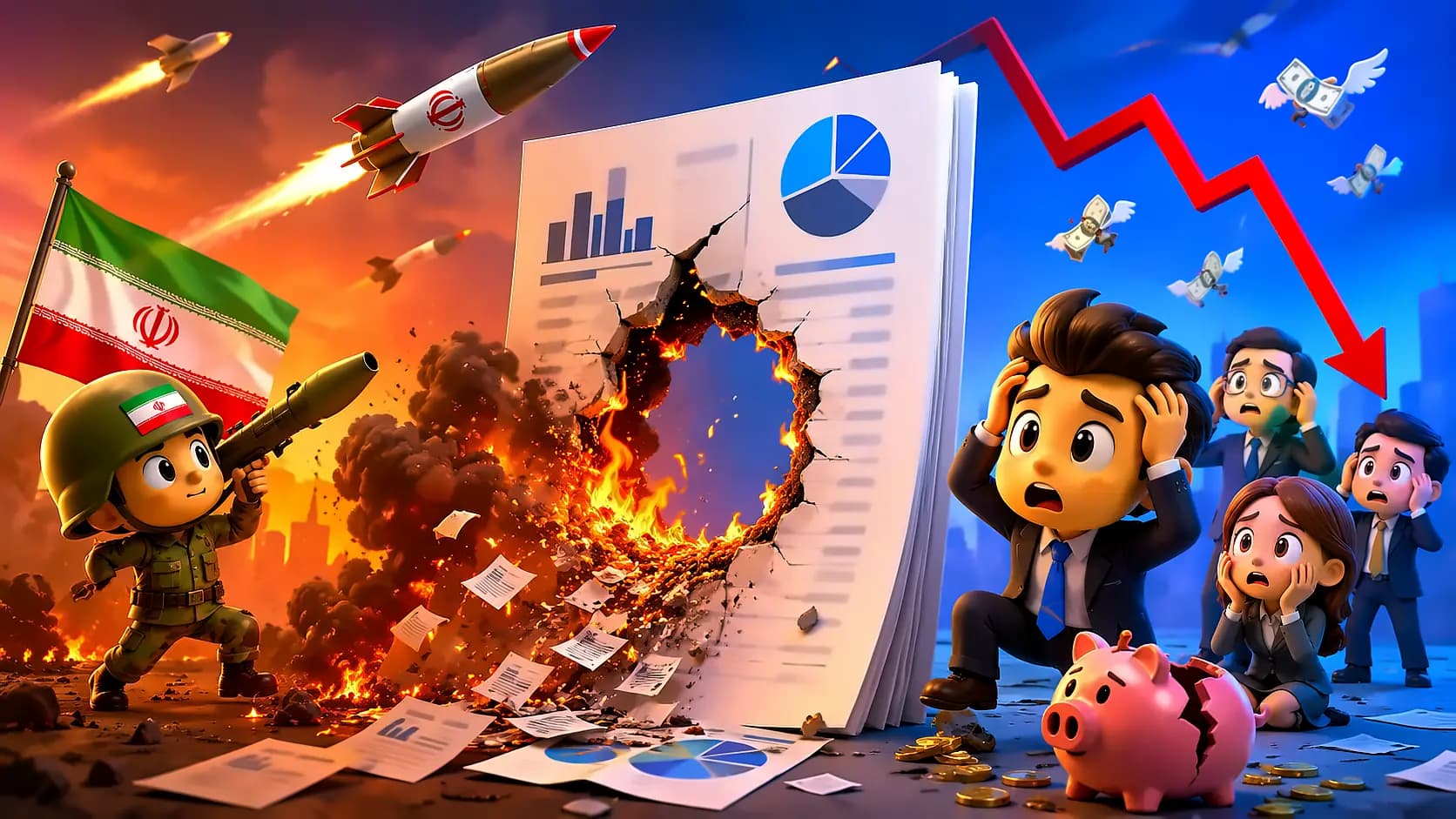
Airlines have suffered the largest losses, accounting for nearly $15 billion in war-related costs as jet fuel prices have almost doubled. Toyota warned the conflict could cost it $4.3 billion, while Procter & Gamble estimated a $1 billion hit to post-tax profit. Whirlpool slashed its full-year forecast by half and suspended its dividend, with CEO Marc Bitzer noting the industry decline is similar to the global financial crisis and even higher than during other recessionary periods. The company reported consumers are delaying purchases and repairing products instead of replacing them due to rising costs. As the surge in fuel prices continues to hurt lower-income consumer demand, CEO Chris Kempczinski said elevated gas prices are the core issue the company is facing.
Consumer-facing companies are experiencing significant pressure from higher fuel costs. McDonald's said earlier this month it expected higher long-term cost inflation from ongoing supply-chain disruptions, with CEO Chris Kempczinski noting elevated gas prices are the core issue. Nearly 40 companies in chemicals, industrials, and materials sectors plan to raise prices due to Middle Eastern petrochemical supply exposure. Newell Brands CFO Mark Erceg reported that every $5 rise in oil prices adds about $5 million in costs for the company. Karex, the Malaysian condom maker, has also warned of the mounting toll as the conflict enters its third month. The surge in fuel prices is hurting lower-income consumer demand, with companies across sectors facing margin pressure as it becomes harder to pass through extra costs.
The conflict has created widespread supply chain disruptions affecting multiple sectors. Continental expects at least €100 million ($117 million) hit from the second quarter due to higher raw material costs linked to rising oil prices. The disruption has also affected supplies of fertilizers, helium, aluminum, and polyethylene. Most affected companies are based in Europe and the UK, where energy prices were already high before the conflict began, while nearly one-third of identified companies are from Asia, reflecting the region's dependence on Middle Eastern oil and fuel supplies. Continental executive Roland Welzbacher said it would take three to four months before affecting the company's profit-and-loss statement, with the impact hitting late in Q2 and coming in full-blown in the second half. The closure of the Strait of Hormuz, the world's most critical energy chokepoint, has pushed oil prices above $100 a barrel, more than 50% higher than before the war.
Analysts warn the full impact of the conflict has not yet appeared in company earnings. FactSet data showed forecasts for second-quarter profit margins have been cut for industrial, consumer discretionary, and consumer staples companies in the S&P 500 since March 31. Since March 31, second-quarter net profit margin forecasts have been cut by 0.38 percentage points for S&P 500 industrials, 0.14 percentage points for consumer discretionary companies, and 0.08 percentage points for consumer staples. Goldman Sachs analysts said European STOXX 600-listed companies will face margin pressure beginning in the second quarter, as it will become harder to pass through extra costs and as protection from hedging expires. UBS head of European equity strategy Gerry Fowler reported sectors such as autos, telecoms, and household products are already seeing earnings downgrades of more than 5% for the next 12 months, with consumer-facing sectors including autos, telecoms, and household products seeing negative revisions of more than 5% for the next 12 months.