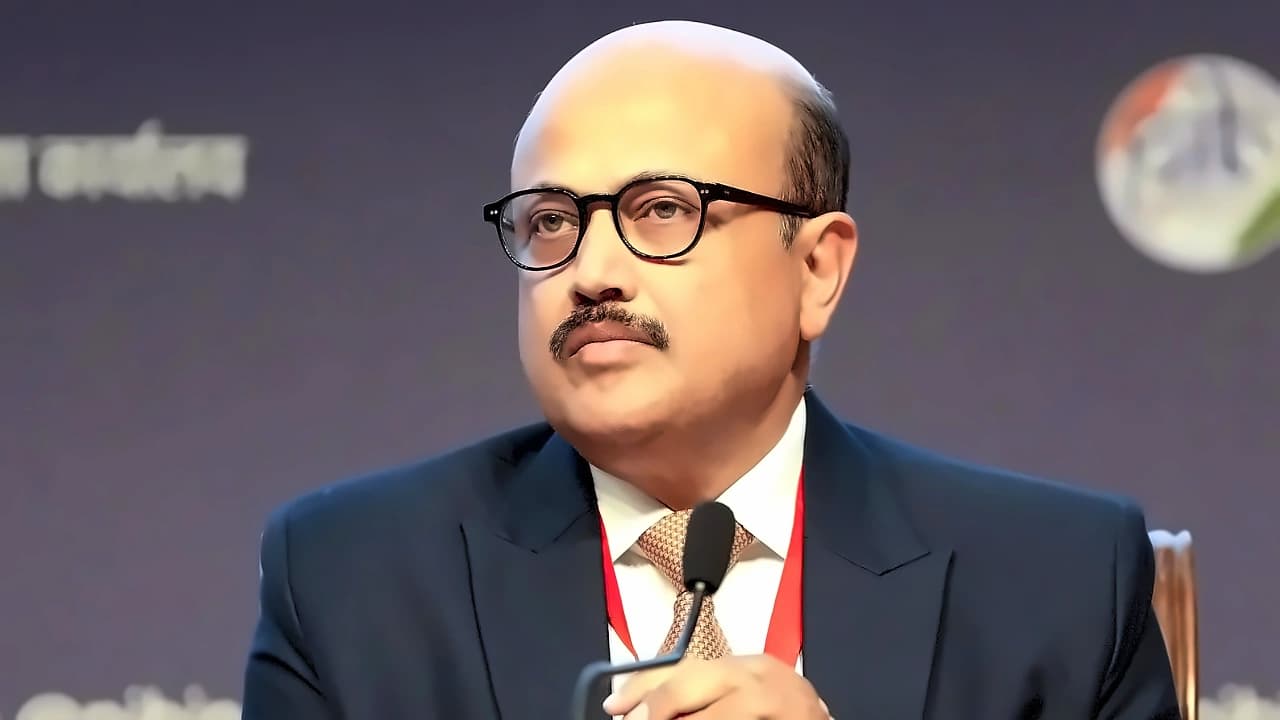
The Indian government plans to include the service sector in the Zero Defect Zero Effect (ZED) scheme, which was originally designed to make small manufacturing companies globally competitive and help them access easier capital. According to MSME secretary Bharat Khera, discussions are underway with the Quality Council of India (QCI) and the National Productivity Council to determine quality parameters for services. As reported by Mint, Khera stated there are certain service sectors where quality can be evaluated and assessed, specifically mentioning healthcare and hospitality as examples. The ZED scheme operates as an umbrella initiative with three sub-schemes: a World Bank-assisted central sector scheme designed to scale up implementation capacity, a scheme for promoting innovation, rural industry, and entrepreneurship, and a scheme for traditional artisans and craftspeople working across 18 specialized trades.
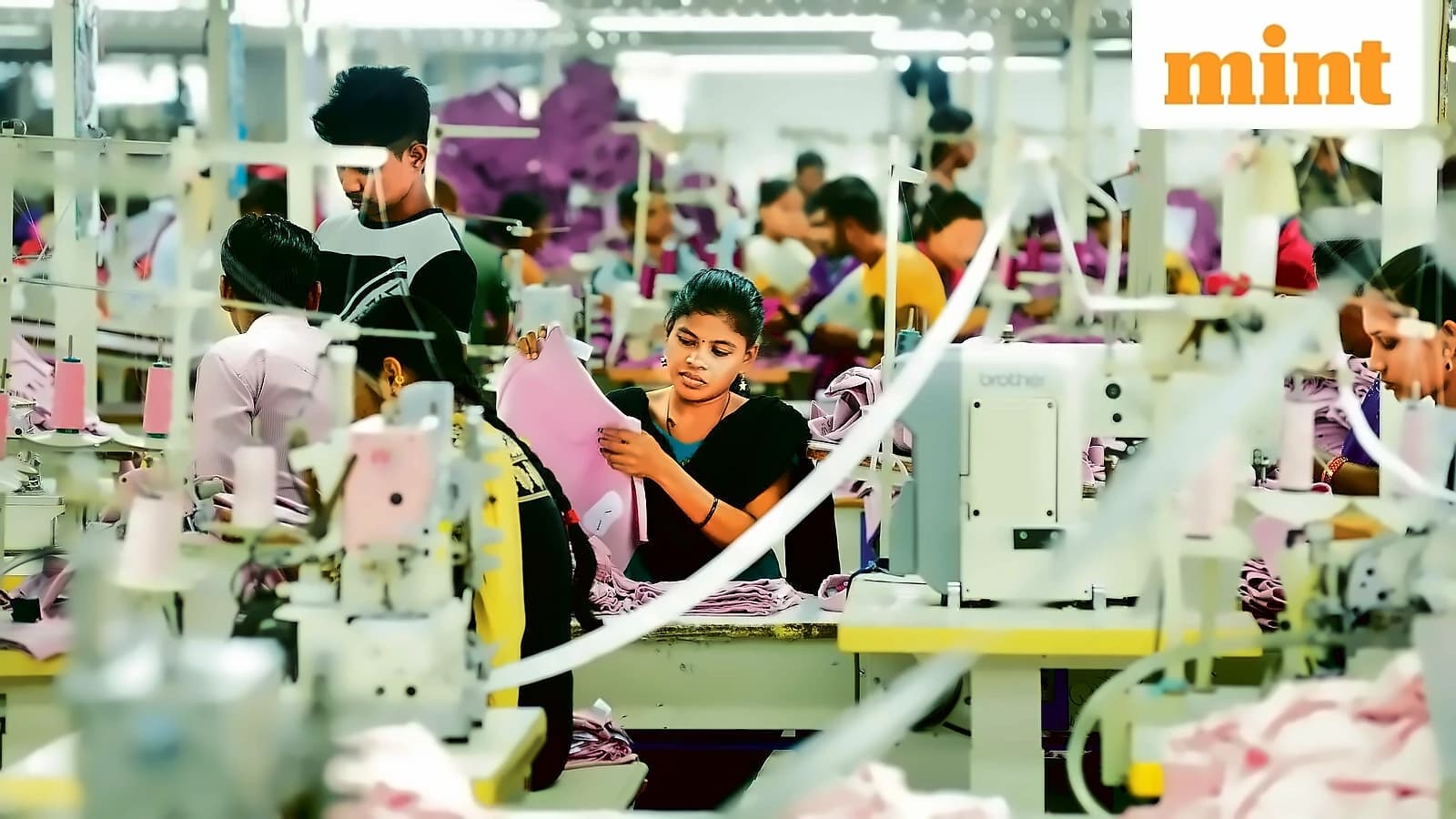
Service sector MSMEs account for 38% of India's 92 million small businesses, while manufacturing MSMEs make up 20% and trading MSMEs account for 42%, according to ministry data. Registered MSMEs contribute approximately 30% to India's gross domestic product, 35.4% of manufacturing output, and over 48% of India's exports. From April to December, 281,391 MSMEs were ZED-certified, according to the ministry's FY26 annual report. The ZED scheme provides 80% subsidy on certification cost for micro enterprises, 60% for small enterprises, and 50% for medium enterprises.
According to the ZED portal, the central government has spent ₹964.19 crore since 2022, when the scheme started. The Centre spent ₹241.24 crore under the ZED scheme in FY25, up from ₹192.79 crore in the previous fiscal. The ZED scheme does not have direct budgetary allocation but is part of the MSME Champions Scheme and receives funds under the World Bank-backed Raising and Accelerating MSME Performance (RAMP) scheme. There is an additional 10% subsidy for units owned by women and Scheduled Caste/Scheduled Tribe entrepreneurs.
India's plastic packaging market presents significant opportunities for MSMEs, with the industry valued at ₹1.87 lakh crore and expected to surpass ₹2.6 lakh crore by the early next decade, according to Mordor Intelligence. The country currently consumes only 13 kg of plastic per person per year compared to the global average of 27 kg, indicating substantial growth potential. A basic flexible packaging unit can be established within ₹38-55 lakh including machinery, working capital, and compliances, with PMEGP subsidy of 15-35% significantly reducing effective promoter investment. The e-commerce boom has fueled demand for tamper-evident pouches and moisture-barrier liners, with package volumes for 15-minute delivery services increasing by 300% in major metros.
The amendments passed by parliament seek to reduce payment-related constraints, make dispute resolution time-bound, and simplify compliance. Reforms related to Trade Receivables Discounting System (TReDS) platforms in the 2026 amendments will help resolve liquidity issues for businesses. The government rolled out the Emergency Credit Line Guarantee Scheme (ECLGS 5.0) in May to support MSMEs facing rising commodity and energy costs due to the West Asia war. The Union Budget 2025-26 increased the credit guarantee cover limit from ₹5 crore to ₹10 crore, with a special provision offering 10% concession in guarantee fees and 85% enhanced guarantee coverage for enterprises promoted by transgender entrepreneurs. Khera noted that while MSMEs contribute to almost 50% of India's exports, the number of export units in the sector is still very small and needs to widen.