India's private consumption is projected to reach $1.9 trillion by 2030, driven by rising disposable incomes, rapid urbanization, an expanding middle class, deeper internet penetration and the world's largest digital payments ecosystem. According to a FICCI-Deloitte report released on Tuesday, the report titled 'Consumer Trends: IGNITEing Growth and Governance' highlights that India's consumption story is being reshaped by powerful demographic and technological shifts. With more than one billion internet subscribers and 228 billion UPI transactions worth nearly $3.6 trillion in 2025, consumers are becoming more connected, digitally savvy and willing to spend than ever before. The report notes that Indian consumers are no longer driven by price alone - they are increasingly seeking quality, convenience, personalised experiences, transparency, trust, and sustainable choices.

India is developing 'smart standards'—digital, machine-readable versions of product and quality norms to reduce compliance burden on businesses. According to consumer affairs secretary Nidhi Khare, the government aims to launch these standards by 14 October to mark World Standards Day. As reported by Mint, Khare stated that this initiative will bring India into the club of developed countries where standards are becoming smart standards. The move aims to simplify quality compliance while aligning India's standards regime with evolving global practices.
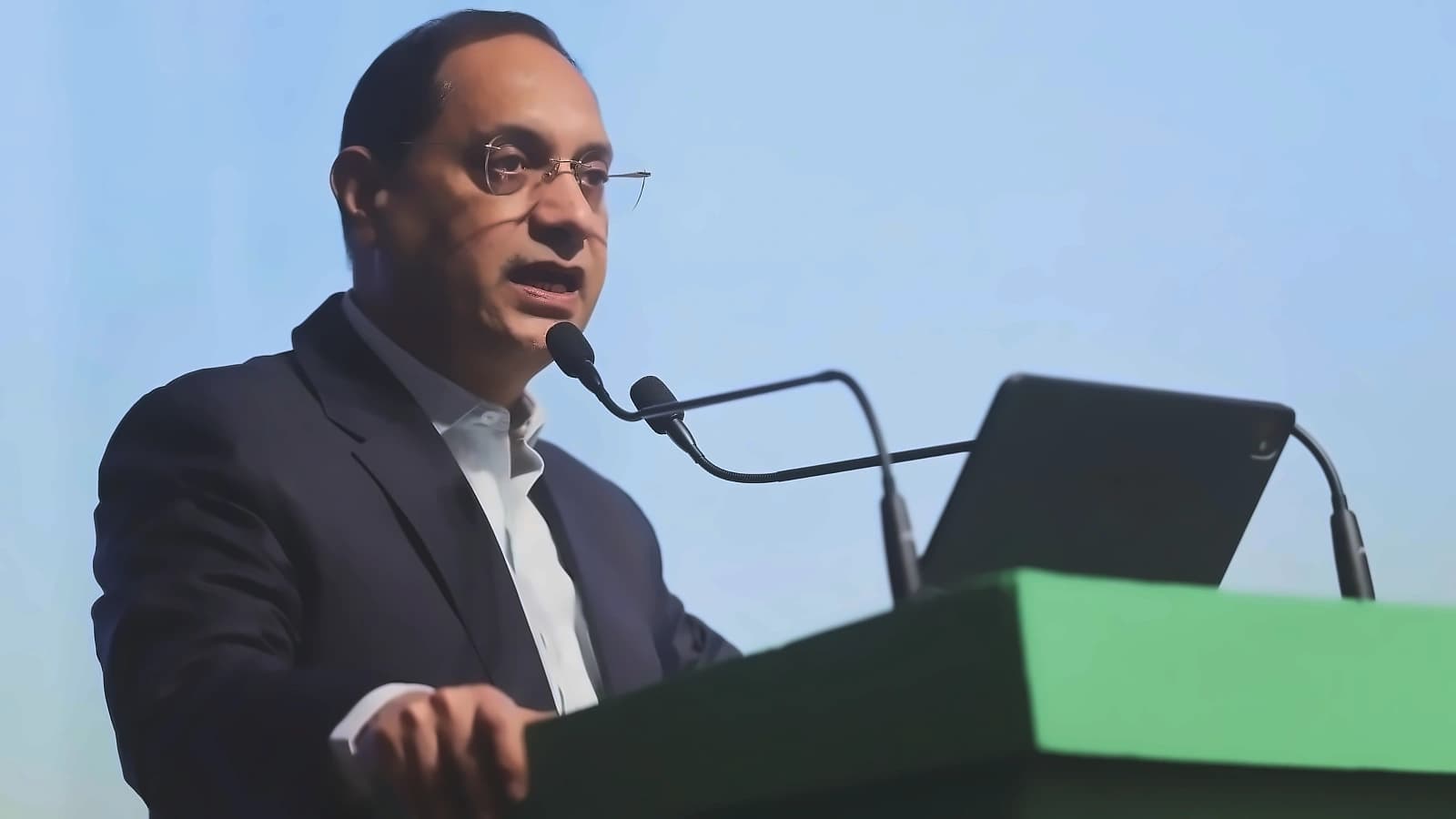
The government announced a significant change in enforcement under the Legal Metrology Act, which governs weights and measures standards. According to Khare, authorities will now issue 'Improvement Notices' to manufacturers and retailers for minor violations, giving them time to fix issues before compounding. As reported by Mint, this represents the first time such notices will be issued under the Legal Metrology Act, marking a shift toward more flexible enforcement for minor compliance issues. Speaking at the launch of the FICCI-Deloitte report during FICCI MASSMERIZE 2026, Khare emphasized that improving product quality had become essential as consumer complaints continue to rise, noting that "The time has come for us to realise that we cannot grow unless we address quality concerns in our manufacturing processes and in the way we sell products to consumers."
Despite challenges in specific sectors like IT and automotive, India's consumption story remains resilient according to market experts. Harish Krishnan, CIO-Equity of Aditya Birla Sun Life AMC, noted that slower hiring in IT should not be mistaken for weakness across the broader economy, as employment and incomes are expanding across service professions. Consumption is being supported by GST rate reductions, improving credit growth, continued state government spending and the prospect of higher government salaries over the next 18 to 24 months. The ongoing shift from unorganised to organised sectors is another positive factor, with large listed companies having stronger balance sheets and better access to raw materials. As Balasubramanian, MD and CEO of Aditya Birla Sun Life AMC, emphasized, consumption today is supported by a much broader base than before, with new industries and occupations creating more diversified and resilient demand.
The government plans to modernize India's product testing ecosystem by expanding testing infrastructure and deploying artificial intelligence (AI) and robotics to improve efficiency and reduce costs. According to Khare, the initiative aims to scale up testing infrastructure to test more samples with greater accuracy and less human intervention. As reported by Mint, the use of AI and robotics is expected to enhance accuracy and traceability while lowering testing costs, particularly for micro, small and medium enterprises (MSMEs). The modernization comes as businesses across FMCG, retail and e-commerce sectors will have to navigate a rapidly evolving regulatory environment covering product quality, labelling, consumer protection, environmental compliance, digital commerce and data governance.