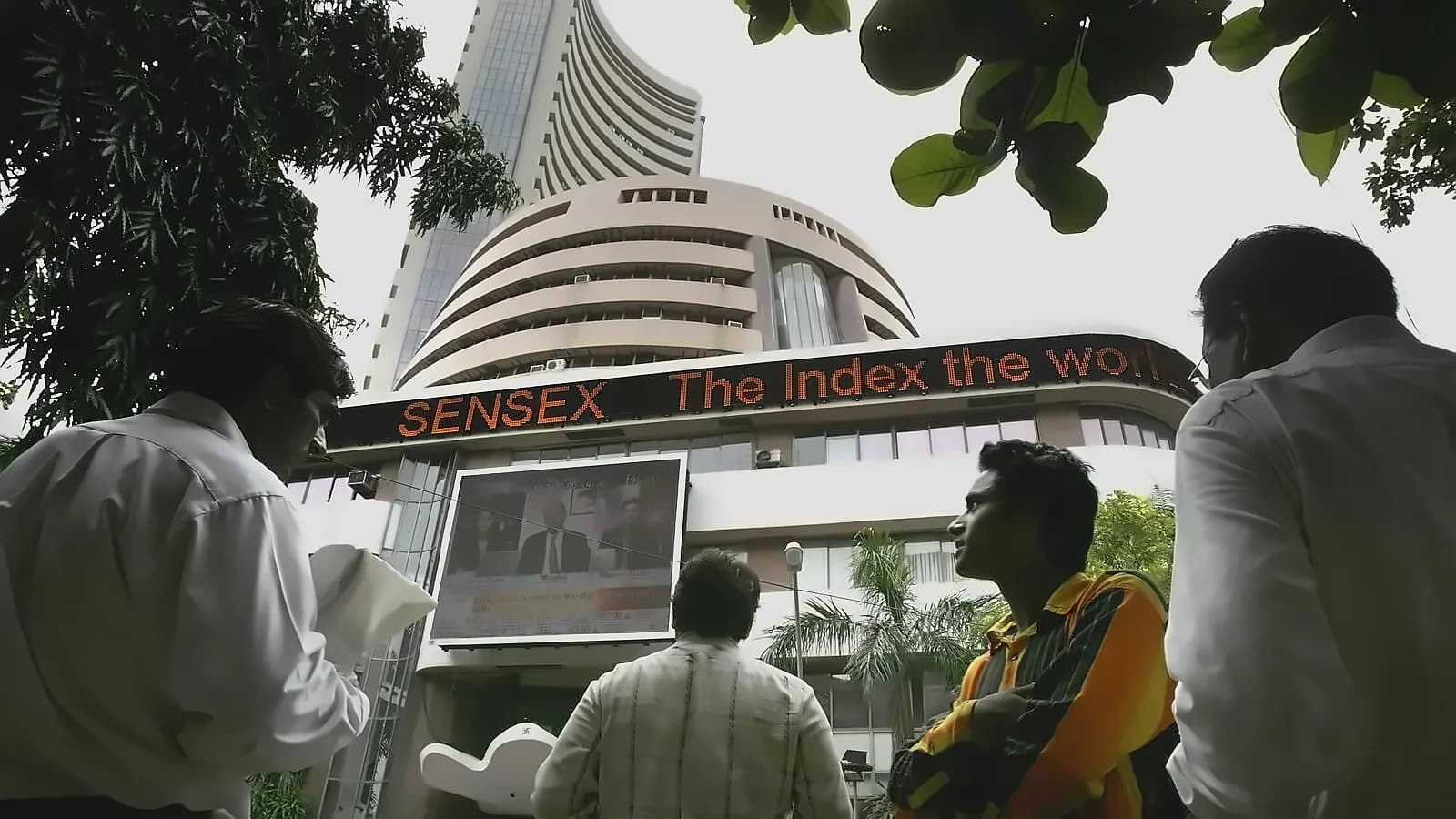
Indian equity markets are showing signs of broader participation and improving market breadth following the US-Iran peace deal, according to Devina Mehra, Founder and CMD of First Global. As reported by The Economic Times, Mehra noted that in 2025, all Indian indexes were up, but the median stock was down, while now we actually have a majority of the stocks outperforming the indexes. This represents a complete flip from previous market conditions, with 40% of stocks down more than 10% midway through 2025, but now the outperforming stocks are only about 15%, compared to the norm of around 40%. This improvement is positive news for overall market health and suggests a very different market from what it was in 2025.
While acknowledging that a resolution between the United States and Iran could remove a significant overhang for global markets, Mehra emphasized that this is not the primary factor underpinning her constructive view on equities. According to The Economic Times interview, she stated that I do not think we should only depend on the deal. But yes, if it happens, it takes away a big overhang overall on all markets. And I do not think that is what is going to drive the Indian markets up. Mehra reiterated her advice for investors to remain invested in equities in line with their strategic allocation rather than reacting to geopolitical headlines. She noted that market direction will continue to be shaped more by earnings trends, liquidity cycles, and broader investor positioning rather than geopolitical headlines, with the market looking on all indicators as if it is in the bottom range.
Mehra advised investors to remain invested in equities in line with their strategic allocation rather than overreacting to geopolitical events. As reported by The Economic Times, she emphasized that the geopolitical risk per se is not something you should react to, citing 125 years of data showing that the market shrugs off conflicts even when they continue, including major events like the two world wars, two Gulf wars, US bombing Libya, 9/11, and Russia-Ukraine conflict. She acknowledged that India remains sensitive to fluctuations in crude oil prices, which can directly impact corporate earnings, but stressed that investors should wait for concrete developments rather than speculate on diplomatic outcomes. She cautioned against SIP numbers turning negative and the number of accounts also turning negative, noting that Indian investors have been very jittery and that when you are panicking is when you need to remain in the market.
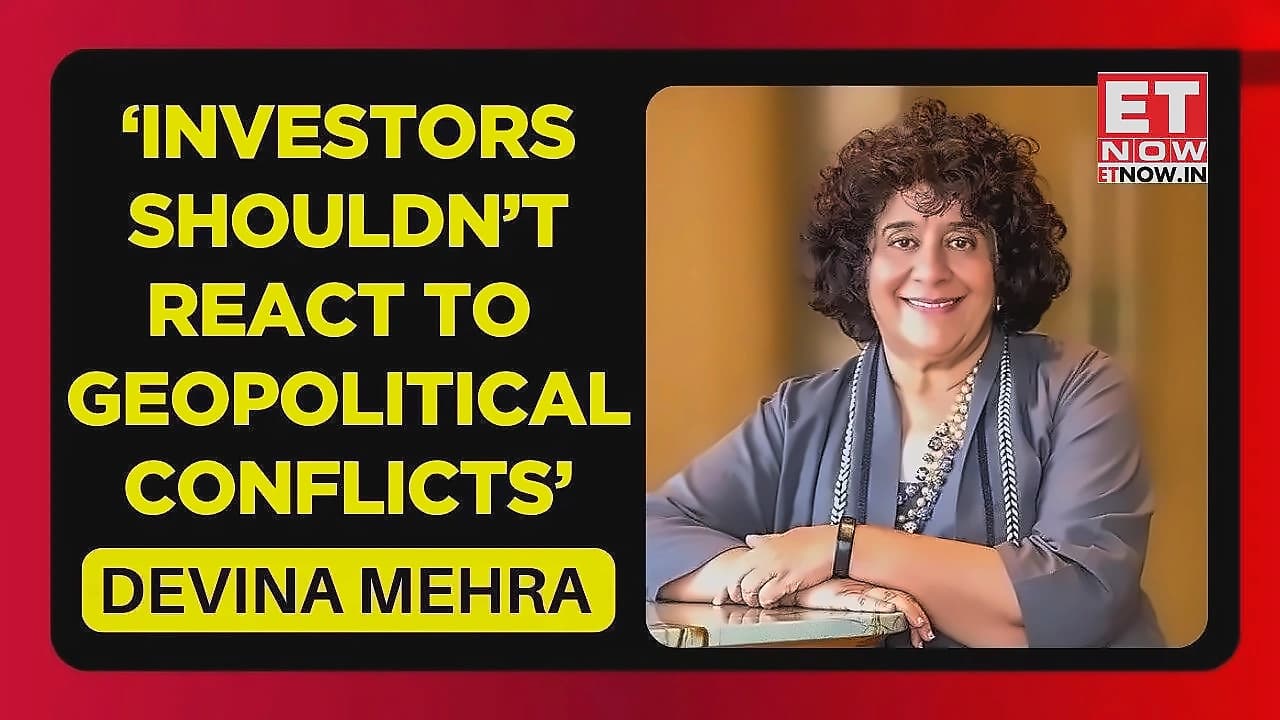
Emphasizing the importance of global diversification, Mehra highlighted that India is less than 3 per cent of the world market cap. According to The Economic Times interview, she stated that 'The US is not the globe' and that global exposure should be a long-term goal. She noted that sentiment is always a contra indicator, suggesting that current market conditions may present opportunities for strategic positioning across global markets. She explained how First Global has been underweight the US for almost a year-and-a-half and went overweight Europe and China, adding markets like Malaysia and Mexico, which are below the radar for most investors. Warning against concentration in a handful of global stocks, she added that people think buying the so-called Magnificent Seven will save them, but several of those stocks are underperforming now.