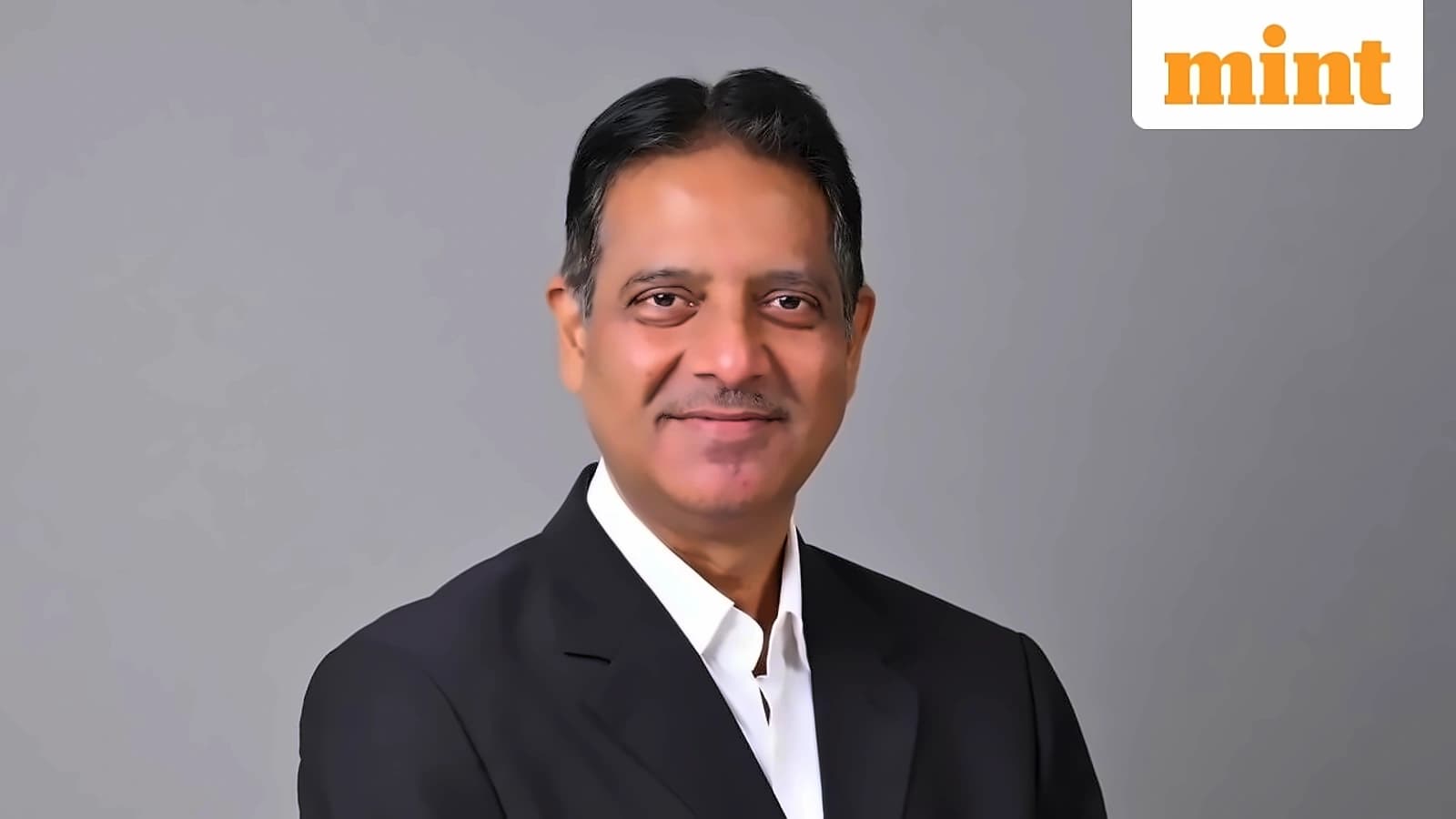
Veteran investor Raamdeo Agrawal believes Indian equity markets may remain cautious in the near term due to rising global bond yields, elevated crude oil prices, and geopolitical uncertainty. According to reports from NDTV Profit, Agrawal described the pace at which US bond yields have been rising as a key concern for global risk assets. The 10-year US Treasury yield rose to 5.02% on Tuesday, marking the highest level in almost two decades with a four basis points increase. He highlighted the simultaneous boom in corporate capital expenditure and government deficits as factors putting pressure on global bond markets, noting that the current bond-market movement does not offer an easy feeling and is 'definitely not good for equity markets'. The global economy may now be larger and potentially more capable of absorbing higher deficits than it was earlier, but the combination of corporate capex boom and government deficit boom creates significant pressure on global bond markets.
Top fund managers at the Moneycontrol Mutual Fund Summit in Delhi have provided nuanced insights into India's oil price resilience. Anish Tawakley, CIO of DSP Mutual Fund, emphasized that India's economy can handle crude oil prices of $120 per barrel, drawing a clear distinction between economic absorption capacity and market impact. As reported by Moneycontrol, Tawakley highlighted that India's forex reserves are sufficient to cushion higher oil prices, noting that the country needs five million barrels of oil per day and can use these reserves to maintain current consumption levels. He contrasted this with countries lacking adequate reserves, which will face fuel rationing and economic disruption. Deepak Shenoy, CEO of Capitalmind Mutual Fund, agreed that the economy has the ability to absorb higher crude prices, but warned that markets may still experience negative impact due to short-term volatility and geopolitical developments that can cause sharp price movements. Shenoy noted that oil prices could reach $140-$160 in the short term due to geopolitical tensions, while longer-term structural forces may bring prices back to $80 within six months.
While Indian equities have become more resilient to global rate shocks due to strong domestic liquidity, expensive mid- and small-cap stocks remain vulnerable to rising US yields and earnings disappointments. According to The Economic Times, Amar K Ambani, Executive Director at YES Securities, noted that India's sensitivity to higher US rates is much lower than it was a decade ago, with strong domestic liquidity providing a cushion against global capital-flow volatility. However, he cautioned that valuations remain a key vulnerability for mid- and smallcaps, leaving less room for disappointment in earnings or growth. The current environment comes with stronger nominal growth, resilient consumption, and a structurally higher equilibrium real rate. Markets are already pricing 2-3 Fed hikes over the next 12 months, but the bigger risk would be an unexpected change in the inflation growth equation, forcing the Fed to be restrictive for much longer than markets currently expect. Midcap valuations versus large caps are now above one standard deviation, with quality midcaps and small caps continuing to deliver alpha, but selectivity will be key.

Despite global concerns, fund managers remain positive about the underlying domestic economy, with corporate earnings expected to grow by more than 15%. According to Moneycontrol, Anish Tawakley pointed to the strength of the monsoon and domestic conditions as additional positives, while markets may remain 'shaky' but he does not expect a major move until global uncertainties ease. His longer-term view remains optimistic, stating that 'the economy is in good shape, the economy can withstand $120 of oil. Demand is growing and there is still spare capacity, normally you get a good run of earnings'. He expects returns to be reasonable over the next two years, with the economy's current robust position providing resilience against external shocks. His advice to investors is to remain cautious rather than speculative, avoiding excessive leverage during periods of uncertainty and suggesting that 'the best way to cut your risk in the market is to be unlevered'. He believes investors who are further cautious could also keep some portion of their portfolio in cash.
Agrawal highlighted the combined impact of GST cuts and greater credit and liquidity availability as creating a strong environment for Indian businesses, particularly consumer companies. As reported by NDTV Profit, he described the business confidence he has encountered as 'never had it so good'. He also pointed to a broader capital-spending boom spanning AI investment, defence, energy transition, and GCC-related construction, with the weaker rupee supporting Indian manufacturers with global ambitions. He expects India's monthly SIP flows to potentially rise from ₹32,000-33,000 crore to ₹60,000-70,000 crore over the next six to seven years. India currently has around 335 million demat accounts and expects that figure could reach around half a billion over the next six to seven years. This growth would require considerably more investment opportunities and help broaden the country's capital markets.