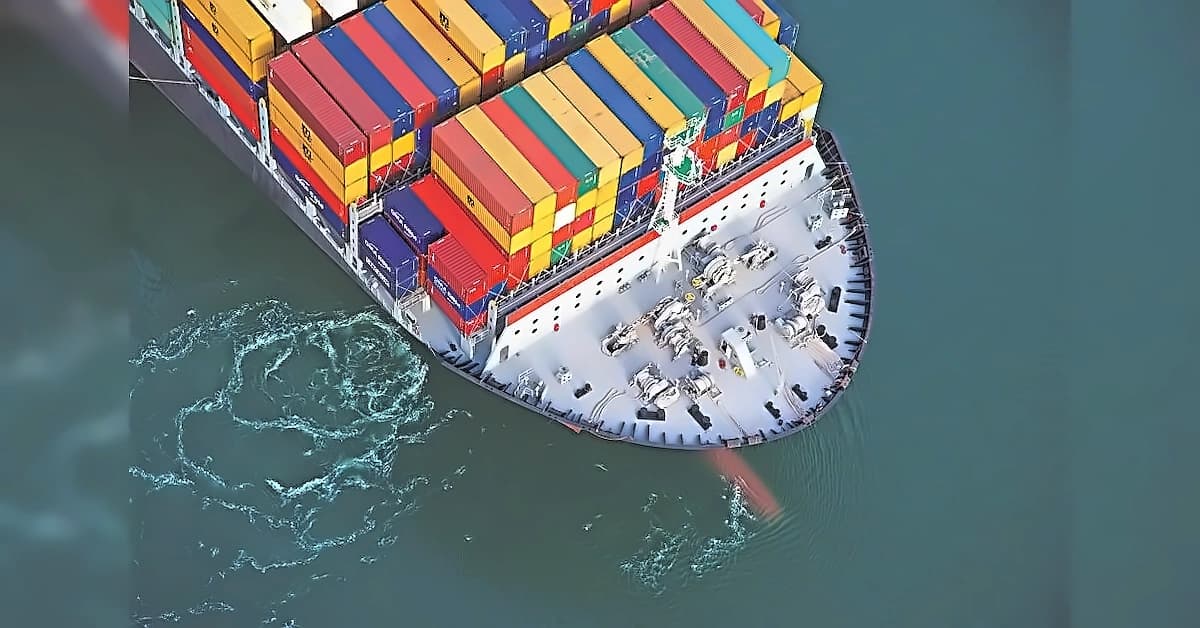
The United States has taken decisive action against 60 economies for failing to ban imports produced with forced labor, with the latest enforcement targeting India among other major trading partners. According to the latest USTR announcement, President Trump is asking all trading partners to join the United States in eliminating forced labor from global supply chains, marking a significant escalation in trade enforcement. The action covers 99.4% of U.S. imports from the top 60 trade partners, representing the most comprehensive forced labor enforcement initiative in recent history.
The United States and Japan urged India to address export restrictions and unpredictable non-tariff barriers in the agriculture sector during the concluding round of India's Trade Policy Review at the World Trade Organization (WTO) in Geneva. According to reports from Business Standard, the review took place as India faced scrutiny over its trade policies and agricultural protection measures, with the latest USTR action adding new urgency to these trade discussions.
The US called on India to further discipline its production- and trade-distorting agricultural support policies affecting a range of crops, including rice and wheat, in a manner consistent with its commitments under the Agreement on Agriculture. As reported by Business Standard, Japan stated that its questions to India on agricultural export restrictions were based on its desire to see improved transparency and predictability in agricultural trade practices. The agricultural sector concerns have gained renewed significance amid broader trade tensions.
The US welcomed India's efforts in areas such as improving patent administration, modernising aspects of its regulatory framework, and pursuing broader economic reforms. According to Business Standard, the US encouraged India to build on this progress by continuing to address concerns related to technical barriers to trade, localisation measures, intellectual property protection and enforcement, and restrictions affecting foreign participation in key services sectors. These recommendations take on new importance as trade relations face increased scrutiny.
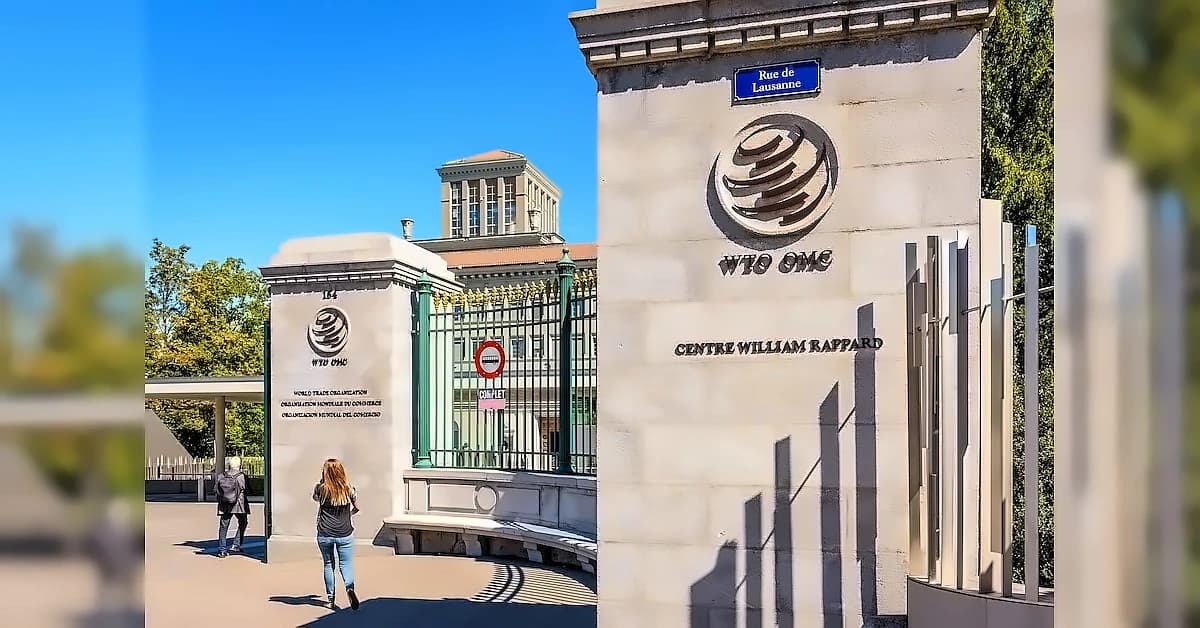
Japan described India's policy choices as critical for the future of the multilateral trading system, stating that the domestic policy choices of India — a country of 1.4 billion people — will greatly influence the future of the multilateral trading system. As reported by Business Standard, Japan said the review had reaffirmed India's significance as "a responsible player within the WTO." The latest USTR action adds weight to these concerns about India's role in global trade governance.