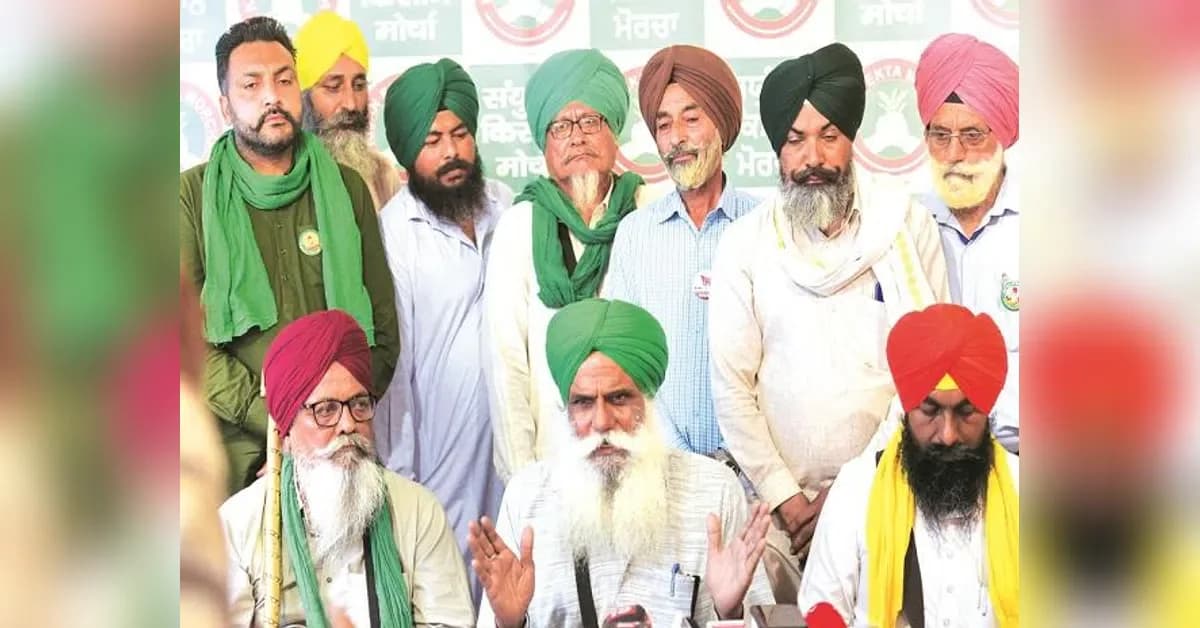
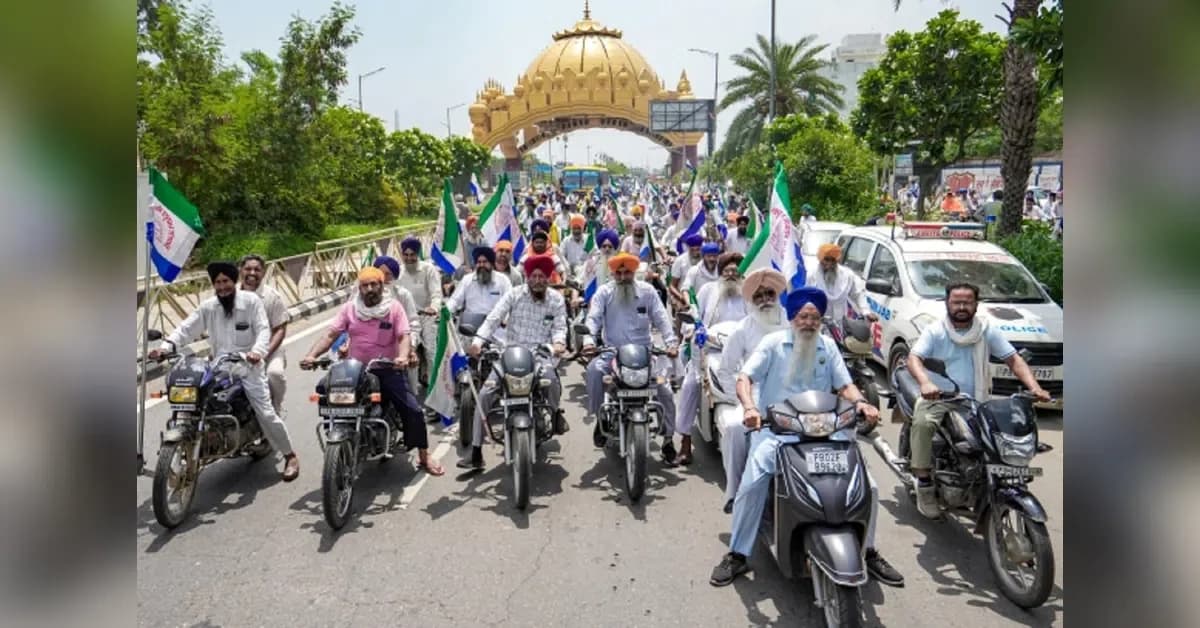
Punjab farmers have intensified their opposition to the proposed India-US trade agreement with a motorcycle rally in Hoshiarpur on Wednesday. Led by the Kisan Mazdoor Sangharsh Committee (Piddi Group) under the banner of Desh Bachao Morcha, the motorcycle march commenced after an 'ardas' (prayer) at Gurdwara Pull Pukhta Sahib near Tanda and passed through Tanda before reaching the office of Dasuya Sub-Divisional Magistrate Kanwaljit Singh. The rally was taken out by district president Paramjit Singh Bhulla and district general secretary Kuldip Singh Begowal, demonstrating the growing momentum of farmer opposition to both the land pooling policy and the trade agreement.
The primary grievance centers on Punjab's amended land pooling policy, which farmers claim is designed to transfer fertile agricultural land to corporate developers. As reported by multiple sources, the protesters argue these policies endanger family-owned farmlands and would primarily benefit large builders and real estate companies. The farmers fear the policy would reduce cultivable land and adversely affect farming families' livelihoods. Bhulla criticised the Punjab government's land pooling policy, alleging it would divert fertile agricultural land for residential and commercial projects, with the protesters demanding immediate intervention to protect India's family-farming model.
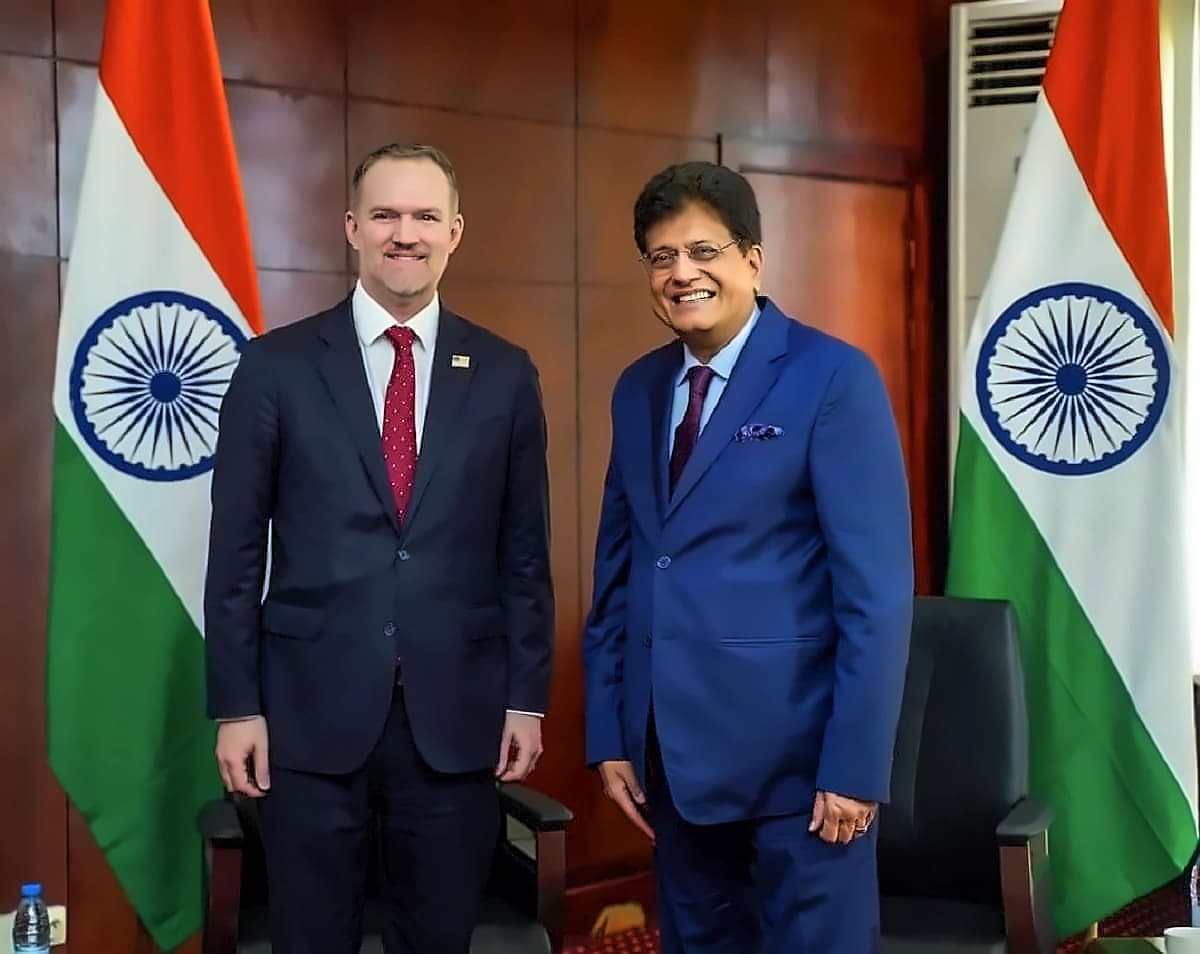
Farmer leaders claimed the trade pact extends beyond limited product imports to cover crucial sectors including agriculture, dairy, digital trade, services, intellectual property rights, energy and investment. They highlighted the United States' long-standing demand for greater access to India's agriculture and dairy sectors, warning that any reduction in import duties on agricultural and dairy products could adversely affect Indian farmers, dairy producers and small industries. The leaders emphasized that the deal would allow cheaper agricultural imports into India, affecting domestic farm incomes and the country's agricultural economy. Farmers fear that allowing tariff-free American agricultural imports could severely impact local smallholders by driving down domestic prices, particularly concerning for the dairy and poultry sectors where many farmers depend on daily payouts as financial safety nets.
The protesters submitted memorandums to local authorities, demanding immediate withdrawal of both the proposed India-US trade agreement and the land pooling policy. In the memorandum submitted to the Dasuya SDM office, the protesters alleged that the proposed trade pact would adversely affect farmers, agricultural labourers, livestock rearers, small traders and micro industries. The memorandum was addressed to the prime minister, with Bhulla stating that the India-US Free Trade Agreement should be terminated with immediate effect. Union representatives have called for the exclusion of dairy, poultry, and primary agricultural sectors from trade discussions, arguing that the introduction of heavily subsidized American goods would be detrimental to Indian rural economies.
The protesting farmers have warned of nationwide mass movement through democratic and constitutional means if their demands are not addressed. Organizers of the toll plaza protests and the latest motorcycle rally warn of further and more extensive blockades if their demands are not addressed, linking local land acquisition disputes with international trade policy. The protesters urged farmers, agricultural labourers and the youth to unite over issues concerning the farming sector, with the farmers aiming to protect India's family-farming model by maintaining pressure on both state and central government policies affecting agricultural sectors. According to latest reports, local authorities are monitoring the protests to manage the balance between public transit access and the ongoing economic demonstrations.