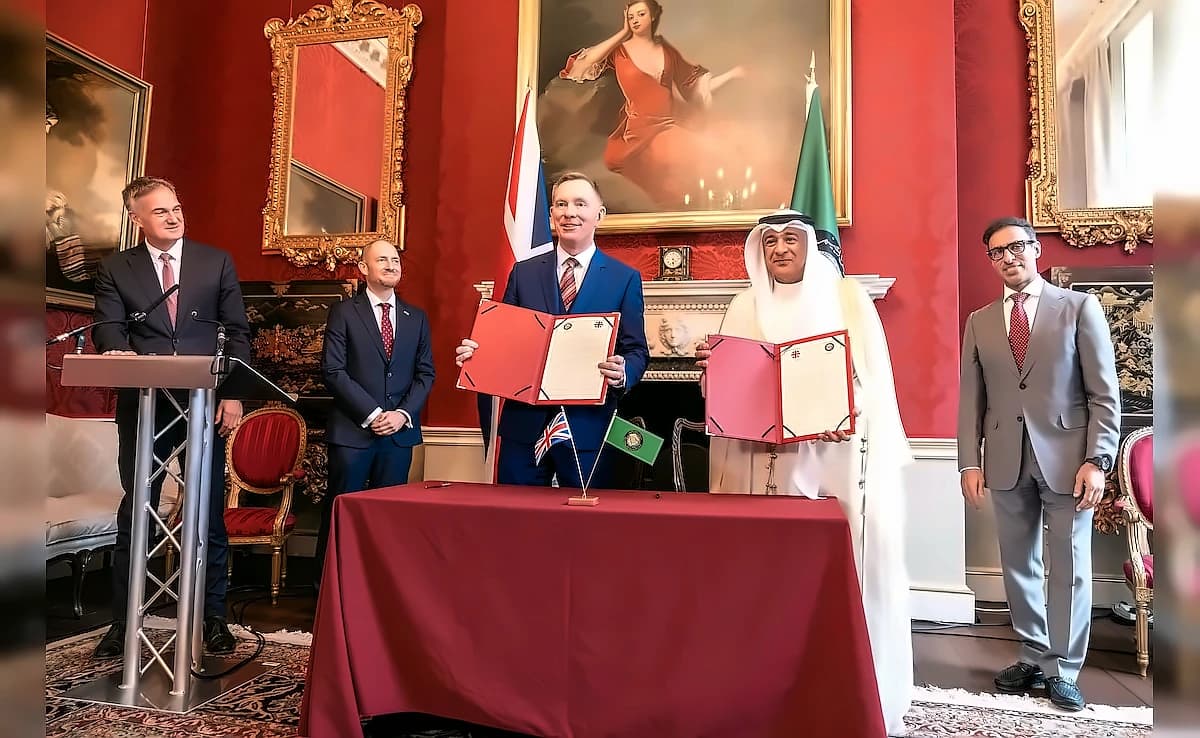
The UK and Gulf Cooperation Council (GCC) have officially signed their landmark free-trade agreement, with GCC Secretary-General Jasem Mohamed Albudaiwi and Britain's Minister of State for Trade Chris Bryant signing a joint statement in London on Wednesday. This historic agreement was announced by UK Prime Minister Keir Starmer on May 20, 2026, marking the first time a G7 country has obtained an FTA with the six-member Gulf region. The GCC bloc consists of the United Arab Emirates, Saudi Arabia, Bahrain, Kuwait, Oman, and Qatar. As per the latest official summary, this deal represents one of the most ambitious agreements the GCC has concluded to date, with the UK becoming the first G7 nation to strike a comprehensive FTA with the GCC. Starmer declared, "Today's agreement is a huge win for British business. The Gulf states are important economic partners, and this agreement strengthens that relationship by fostering trust and opening up new trade and investment opportunities."
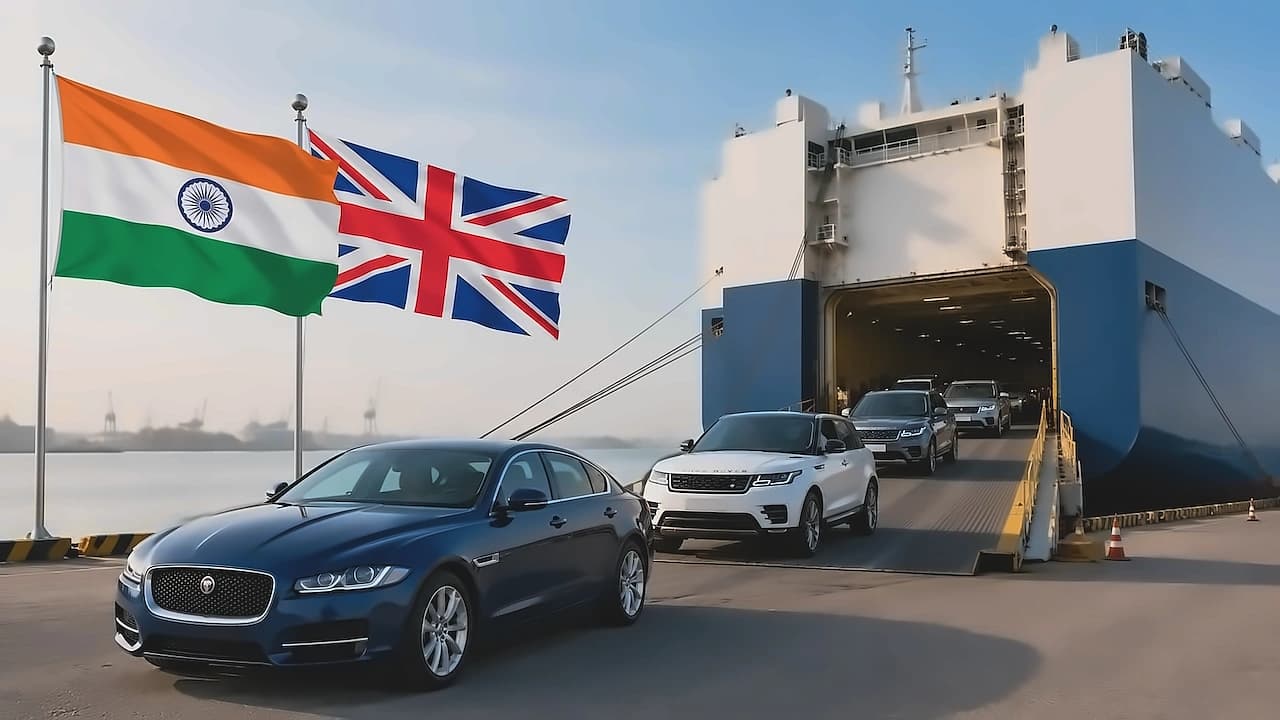
After full implementation, annual duties totalling more than £580 million will be eliminated. As reported by NDTV Profit, the first phase eliminates the £360 million in levies that are currently paid on exports from the UK. The 2,000-page trade agreement will eliminate taxes on various British goods, including luxury vehicles like Rolls-Royce, medical equipment, and food items like cereals, cheddar cheese, chocolate and butter. The majority of tariffs are fixed at five per cent, with the GCC implementing a common external tariff of 5% on the majority of industrial and agricultural goods. The agreement will remove tariffs on around 93% of UK exports to the GCC, with £360 million worth of these estimated duties to be removed on day one of the agreement entering force. According to UK government estimates, bilateral trade between the UK and the GCC could rise by as much as 20% as a result of the agreement. When combined with the India trade deal, the agreements are expected to add over £8 billion a year to UK GDP when compared to 2040 projections. UK Business and Trade Secretary Peter Kyle described it as one of the most significant trade agreements since Britain left the European Union, stating it sends a clear signal of confidence to UK exporters.
The current bilateral trade value stands at approximately £57 billion, with the GCC representing the fourth-largest non-EU export market for the UK. According to NDTV Profit, the demand for imports into the GCC is expected to triple by 2050, making it the UK's tenth-largest trading partner. By 2050, the bloc's import demand is predicted to quadruple, strengthening the economic partnership significantly. The GCC represents a combined GDP of £1.9 trillion and is projected to be a $1.04 trillion import market by 2050, which is set to almost double in real terms. The GCC also represents the UK's eighth largest export market for goods, with £18 billion in exports in 2025 (ONS). The Press Association understands that negotiators were able to achieve more than originally expected on the liberalisation of tariffs, with the GCC currently importing about 85% of its food, including cereals, cheddar cheese, chocolate and butter among those expected to become tariff-free. The Department for Business and Trade's analysis shows that manufacturing, financial services, professional services and food and drink are the four sectors set to gain most from the agreement, with detailed tariff schedules running into the thousands of product lines.
The FTA contains 'first-of-its-kind' GCC pledges on the free movement of data, according to British officials as reported by NDTV Profit. After four years of discussions, Starmer praised it as a significant accomplishment for British business and international trade ties. The UAE ambassador to the UK, Mansoor Abulhoul, described it as a 'welcome boost' that will bring the economies closer, noting that the UAE-UK partnership has generated £25 billion in commerce and supported thousands of jobs. The agreement will open new pathways for British businesses, with UK exports to the GCC estimated to potentially increase every year in the long run by a further £14.3 billion (22.6%) when applied to projected levels of trade in 2040. The deal will also increase real wages by £1.9 billion annually and create new opportunities for businesses across every region and nation of the UK. In a significant boost for the technology sector, UK companies will for the first time be permitted to store and process data outside the Gulf region, removing the need to build costly local data centers. British professionals, including lawyers, engineers and consultants, are expected to benefit from easier travel and longer permitted stays in the Gulf, while visa procedures are set to become more digital and easier to navigate.
The agreement positions the UK as a top destination for GCC capital, with the GCC representing 4 of the world's top sovereign wealth funds representing over $3.4 trillion of capital (TheCityUK). Total bilateral foreign direct investment between the UK and Gulf Arabian countries amounted to £485 billion in 2024. The deal includes a modern investment chapter that will help boost the strong UK-GCC investment relationship and promote the ability of businesses to invest and expand in both UK and GCC markets. UK services — which account for around 80 percent of the British economy and roughly half of all UK exports to the GCC — will gain guaranteed market access under the terms of the agreement. GCC Secretary-General Jasim Al-Budaiwi said the agreement "will contribute to cementing the economic pathways of both regions for generations to come," noting that the agreement contains a framework designed to achieve tangible, sustainable, and measurable economic benefits for businesses, investors, and citizens across all seven signatory economies. The GCC will fully liberalise 90% of its tariff lines in this agreement 10 years after Entry into Force, with tariffs removed on around 93% of UK exports worth an estimated £580 million a year based on existing trade. This marks the fifth major trade agreement made under the current UK government, following deals with India, the U.S., the EU and South Korea.