The India-UK Comprehensive Economic and Trade Agreement (CETA) officially took effect on July 15, 2026, marking a significant milestone in bilateral economic cooperation. According to Business Standard, more than 50 consignments worth over $140 million were dispatched from over 20 locations on the first day of implementation. Prime Minister Narendra Modi had earlier hailed the agreement as 'a significant moment in the India-United Kingdom partnership', emphasizing that 'together, these agreements translate our shared ambition into tangible opportunities for our people'. The Prime Minister stated that 'with the coming into force of the Comprehensive Economic and Trade Agreement and the Agreement on Social Security, our economic linkages are going to get even deeper'. India and the UK are now targeting bilateral trade of $100 billion by 2030, as reported by Business Standard.
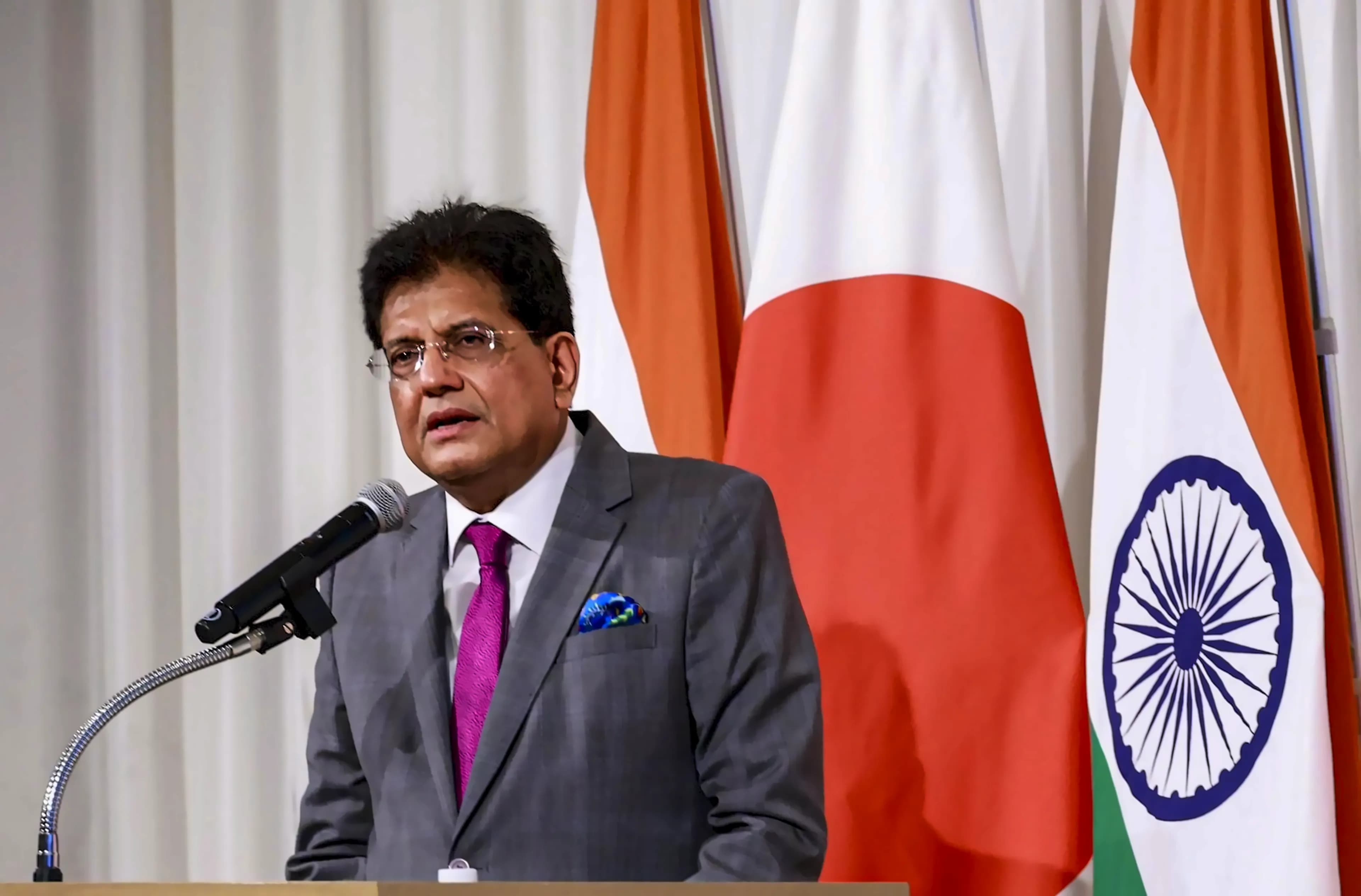
The India-UK Comprehensive Economic and Trade Agreement (CETA) and the Agreement on Social Security officially came into force at midnight on July 15, 2026, after nearly three years of negotiations. According to reports from X, Union Commerce and Industry Minister Piyush Goyal announced the implementation through a social media post, calling it a 'historic milestone' in India-UK relations. The agreement removes or reduces tariffs on 99% of Indian exports to the UK and 90% of UK imports into India, with the British government calling it 'the UK's biggest and most economically significant bilateral trade pact' since leaving the EU. The deal is estimated to increase the UK's GDP by 0.13% (£4.8bn/$6.4bn) and India's by 0.06% (£5.1bn) per year in the long run, as reported by BBC.
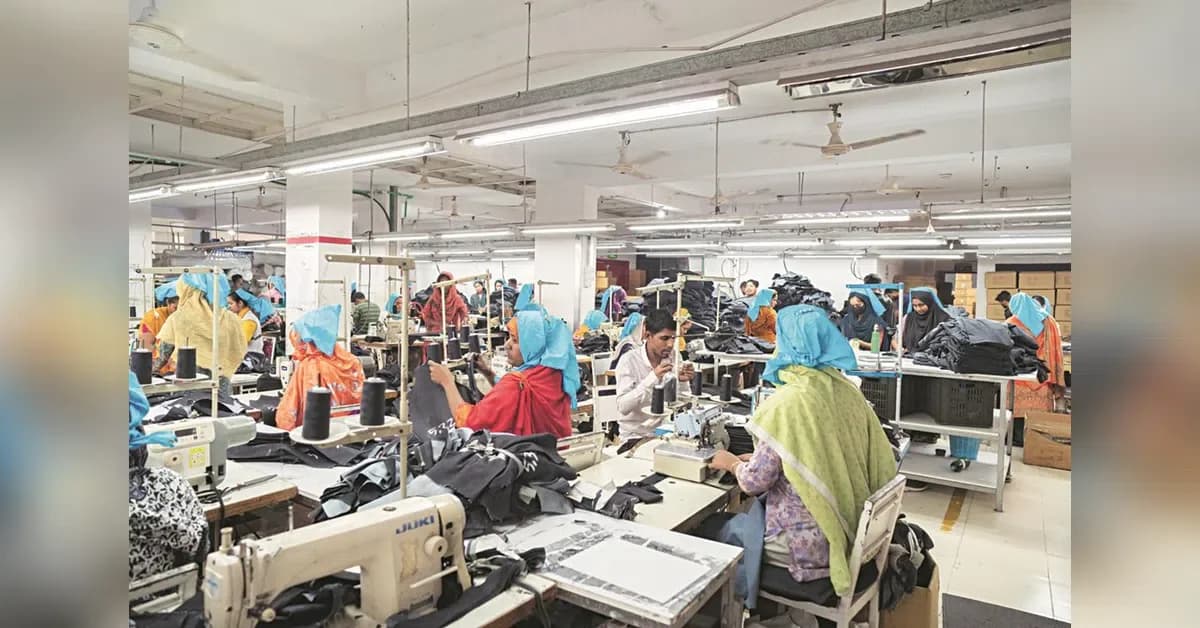
The agreement creates unprecedented opportunities for sectors including textiles, leather, gems and jewellery, engineering goods, marine products, chemicals and processed foods while benefiting MSMEs, farmers and manufacturers, according to Business Standard. The deal opens new opportunities for India's IT, professional, financial, education and business services sectors and expands mobility for Indian talent. From July 15, India's textiles, leather and footwear, gems and jewellery and plastics exports will enter the British market with zero duty, according to ANI reports. Additional Secretary Darpan Jain confirmed that sensitive segments, including small and mid-segment ICE (internal combustion engine) vehicles and affordable EVs, remain protected to strengthen Indian manufacturers' scale, technology and global competitiveness. The agreement also provides concessions on import duties of silver from the United Kingdom, with India importing silver bars worth $5.2 billion from the UK in financial year 2026, which accounted for 45 per cent of its gold-silver imports.

The agreement provides significant benefits for Indian companies operating in the UK, with Indian companies not having to make social security contributions for up to five years for employees they move from India, as reported by ANI. Currently, Indian employees and employers pay up to 23 per cent of the total salary to the UK's National Insurance System. Industry estimates suggest these concessions will amount to savings of $600 million. Companies like Welspun Living are already preparing for the new trade environment, with CEO Dipali Goenka stating 'I'm expecting our exports to the UK to now grow in double digits'. The focus has been on 'getting the operational side ready' through close coordination with UK suppliers and ensuring certificates of origin and trade documentation are in place, as reported by BBC.
Despite the positive trade developments, India's economy faced challenges this week with retail inflation increasing to 4.38% in June from 3.93% in May, while food inflation rose to 5.32%, according to Business Standard. Wholesale inflation hit a series-high 9.87%, driven by food and primary articles, adding to concerns over input and household costs. Additionally, India's exports rose 15.5% year-on-year to $40.41 billion in June, but imports climbed about 31% to $70.84 billion, resulting in the merchandise trade deficit widening to $30.43 billion. However, the government provided relief by approving nearly ₹1.9 trillion for electronics manufacturing, comprising ₹1.27 trillion for India Semiconductor Mission 2.0 and ₹62,500 crore for a revamped mobile-phone manufacturing scheme, as reported by Business Standard.