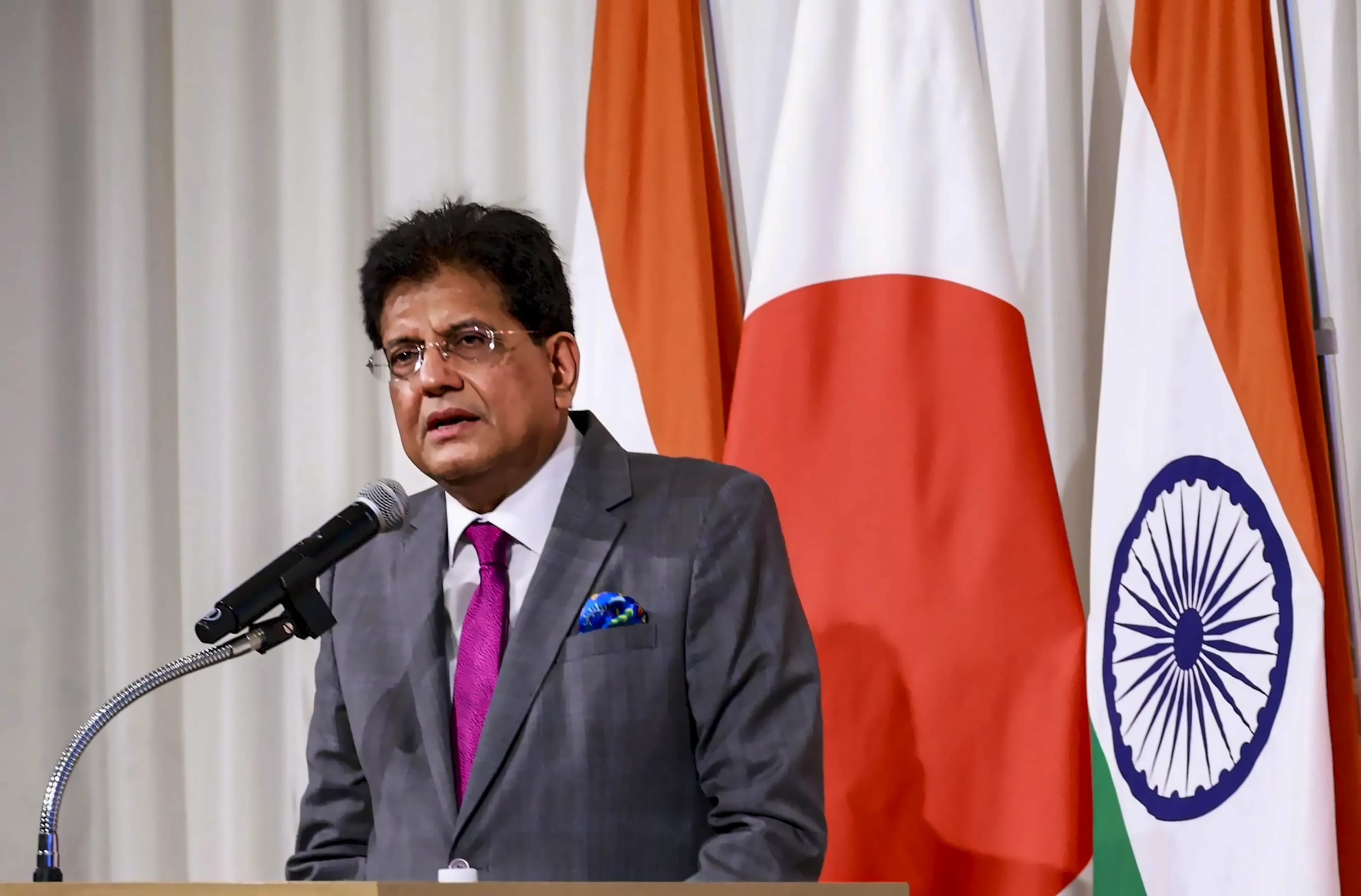
India has reviewed the negotiations on a free trade agreement with the Gulf Cooperation Council (GCC) as India's ambassador to Saudi Arabia, Vipul, held wide-ranging talks with the secretary general of the six-nation bloc, Jasem Mohamed Albudaiwi, in Riyadh on Sunday. According to the GCC Secretariat statement, both sides discussed ways to strengthen India-GCC relations, exchanged views on regional and international developments, and reviewed preparations for a ministerial meeting scheduled next month. The diplomatic engagement comes as India faces mounting pressure to recalibrate its regional security posture following recent developments.
The latest developments have created significant challenges for India's Gulf strategy, with Saudi Arabia, Pakistan, and Turkiye signing the Mecca Joint Defence Agreement on August 7, 2026. As reported by the Ministry of External Affairs, India is examining national security and regional stability implications of this trilateral collective deterrence mechanism. The pact integrates a Gulf Cooperation Council member, a NATO state, and an Islamic nuclear power, directly complicating Indian strategic interests across the Gulf region. While several observers have dismissed the agreement as symbolic optics, the pact provides Islamabad with a significant diplomatic lever in the Middle East.
The meeting assumes significance as India and the GCC resumed negotiations in February for a comprehensive trade agreement aimed at boosting bilateral trade and investment, even though the talks were temporarily stalled in June because of the West Asia crisis. As reported by the GCC Secretariat, India and the GCC also affirmed the importance of continued coordination and consultations on issues of common interest to contribute to regional security and stability. The latest negotiations mark a resumption of talks that were held in 2006 and 2008, before the GCC deferred discussions on free trade agreements with countries and economic groupings.
The GCC is India's largest trading partner bloc, with bilateral trade reaching ₹178.56 billion in 2024-25, accounting for 15.42 per cent of India's global trade, according to official data. According to the Indian Embassy in Riyadh, India's exports to the GCC stood at about ₹56.87 billion during the period, while imports were valued at ₹121.68 billion. Key Indian exports include engineering goods, rice, textiles, machinery, gems and jewellery, while imports are dominated by crude oil, LNG, petrochemicals and gold. The development directly impacts Indian strategic interests as 8.8 million Indian nationals reside in the region, making GCC trade constitute 15.4 percent of total national commerce.

The GCC countries are also a major source of investment for India, with cumulative investments exceeding ₹31.14 billion as of September 2025. As reported by the Indian Embassy, the region, a major source of remittances, is home to nearly 10 million members of the Indian community. The latest negotiations mark a resumption of talks that were held in 2006 and 2008, before the GCC deferred discussions on free trade agreements with countries and economic groupings. Meanwhile, India has already implemented a trade pact with the UAE and signed a Comprehensive Economic Partnership Agreement with Oman.
Following the bilateral accord where India signed a free trade agreement in February, New Delhi faces mounting pressure to recalibrate its regional security posture as tracked by the Global Firepower Index (GFI) 2026. The GCC comprises Bahrain, Kuwait, Oman, Qatar, Saudi Arabia and the United Arab Emirates and was established in 1981 as a political, economic and security grouping. The recent security developments in the region have highlighted the need for India to balance its economic engagement with the GCC while addressing evolving security dynamics across the Gulf.