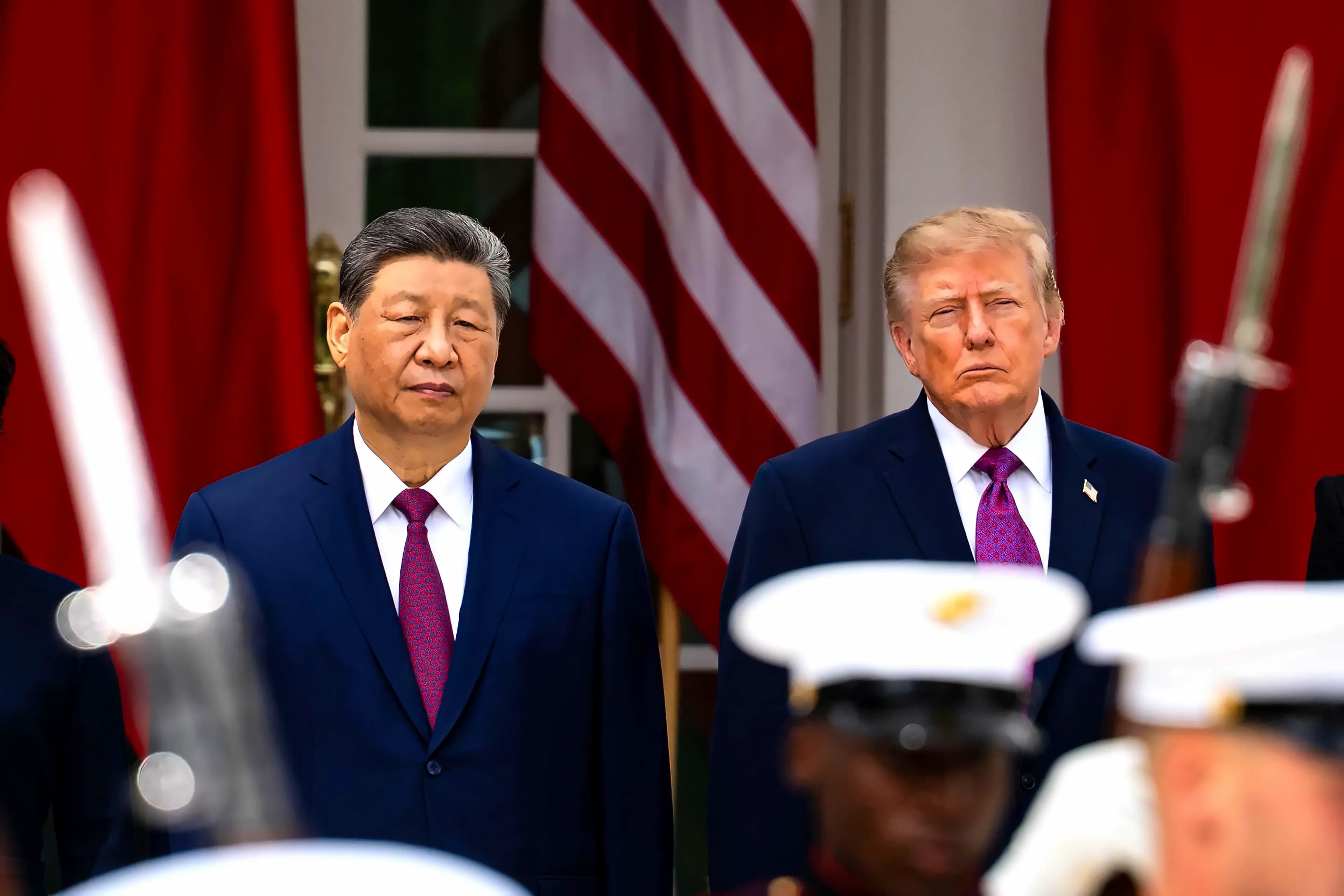
US Trade Representative Jamieson Greer has set modest expectations for the much-anticipated September summit between President Donald Trump and China's Xi Jinping, telling Bloomberg Television that the meeting will focus on stock-taking and confirming the relationship rather than brokering new deals. As reported by Bloomberg, Greer emphasized that 'It will be a moment for stock-taking, confirming the relationship, making sure China is complying with what it has agreed to do' is the primary objective of the meeting. The trade envoy expects an assessment of China's commitment to delay rare-earths restrictions for a year as part of the summit discussions, indicating that compliance with existing agreements will be the central focus.
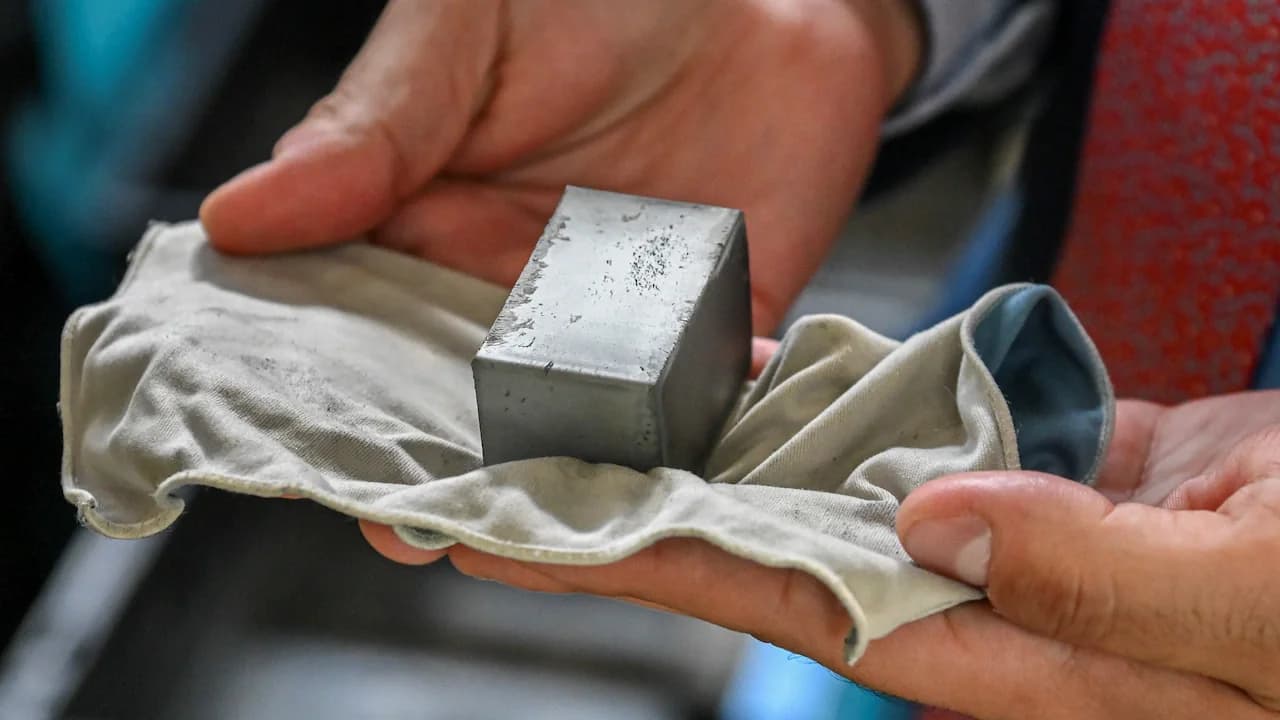
Despite the October trade agreement between Trump and Xi Jinping, China's exports of rare-earth magnets to the United States remain approximately 20% below pre-trade war levels, according to latest customs data reported by Bloomberg. Average monthly shipments during the first half of the year stood at 479 tonnes, compared with an average of 586 tonnes a month between 2022 and 2024. The data indicates that while exports have stabilized this year, they continue to fall well short of the levels seen before China's export restrictions took effect in April 2025. Rare-earth magnets are vital inputs for electric vehicles, factory automation and defence manufacturing, making uninterrupted supplies a priority for American industry. China accounts for more than 90% of global rare-earth magnet production, making it the dominant supplier despite ongoing compliance concerns.
Within President Donald Trump's trade team, two sobering conclusions are emerging: China is cheating on its trade deal, and the US isn't going to do much about it. According to reports from Bloomberg, staffers at the White House and Office of the US Trade Representative acknowledge Beijing simply isn't abiding by the Trump administration's understanding of the deal. Reopening access to critical minerals and rare earths, crucial for US companies manufacturing cars and fighter jets, was a central objective of the pact Trump struck with Chinese President Xi Jinping last year in South Korea. However, as reported by Bloomberg, there's a code of silence that has gripped the trade team since the Busan summit, with officials reluctant to publicly admonish China and risk plunging the countries back into a trade war. Treasury Secretary Scott Bessent and Jamieson Greer, who leads the trade office, have spent a half-dozen meetings with Chinese representatives over the course of a year attempting to iron out sourcing for crucial inputs, only to be rebuffed. Greer acknowledged that 'China's compliance with the rare earth elements of our agreements, it's not perfect' but noted that US companies aren't having factories shut down due to material shortages.
Some officials believe Trump is particularly disinclined toward registering any objection that could endanger his plans to host Xi for a lavish state visit in September. According to Bloomberg reports, there's also concern that pushing back could prompt the Chinese leader to escalate retaliation in a way that could rock markets ahead of November's midterm elections. Wendy Cutler, senior vice president of the Asia Society Policy Institute, noted that 'We disarmed ourselves in that truce' and now the US options for action are sharply constrained. As reported by Bloomberg, there's also a logic to preserving the detente, with the Trump team focused on establishing critical minerals supply chains outside of China, but those efforts aren't likely to yield results for several more years. The US may see an advantage in pushing off tough conversations until after it's out from under the thumb of China's critical mineral monopoly. However, outside observers are skeptical, with Derek Scissors from the American Enterprise Institute questioning why Trump wants to keep seeing Xi Jinping, noting that each meeting puts more distance between where Trump started on China and where he's ending up.
The situation has deteriorated significantly since the original Busan agreement, with China implementing new restrictions that threaten US supply chains. In April 2026, Beijing announced new supply-chain regulations that tighten control over critical materials, while late last month (June 2026), China placed trade curbs on dozens of US firms. The Pentagon also updated its list of entities aiding China's military in June, now including major companies with global reach and US connections: Chinese e-commerce giant Alibaba (stock price 117.75), AI search company Baidu (111.10), and carmaker BYD. Meanwhile, private companies are launching their own diplomatic efforts, with California engineering giant Applied Materials Inc. sending executives directly to Beijing to ask why materials vital to its manufacturing processes aren't flowing. Coherent Corp., which makes optical transceivers for data centers, sent Jim Anderson, its chief executive officer, with Trump during a visit to China earlier this year. The US-China Business Council noted that access to rare earths from China 'remains uneven amid operational challenges, including lengthy and opaque licensing processes, delays, and increasingly complex coordination with suppliers'.
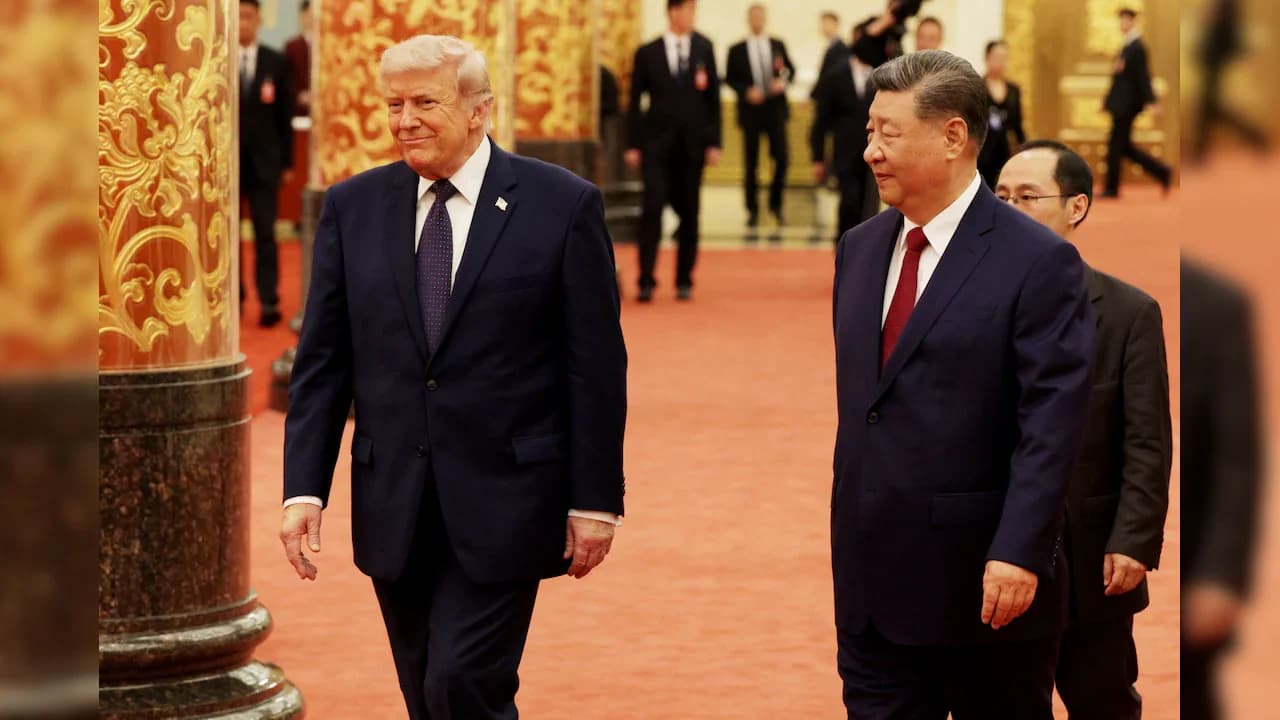
Defense contractors and subcontractors are also feeling the pinch from the supply chain disruptions. During recent meetings at the Pentagon, military officials were informed that major contractors and subcontracting partners were struggling to deliver fully functional defense platforms on time because magnets aren't being delivered from China at a reasonable pace. According to Bloomberg, the upcoming summit in Washington is expected to offer an opportunity to right perceived wrongs, with one USTR official saying in an internal meeting that the status of rare earths would be the top issue at the summit. China is expected to propose extending the trade truce through the remainder of Trump's term, with Beijing's intention to exploit a moment where Trump is politically vulnerable to force a deal that would essentially paralyze US policymaking toward China. The Pew Research Center notes that while the US still leads in government respect for personal freedoms, the gap is shrinking as China is seen as more reliable partner in many places and more likely to contribute to global peace and stability.