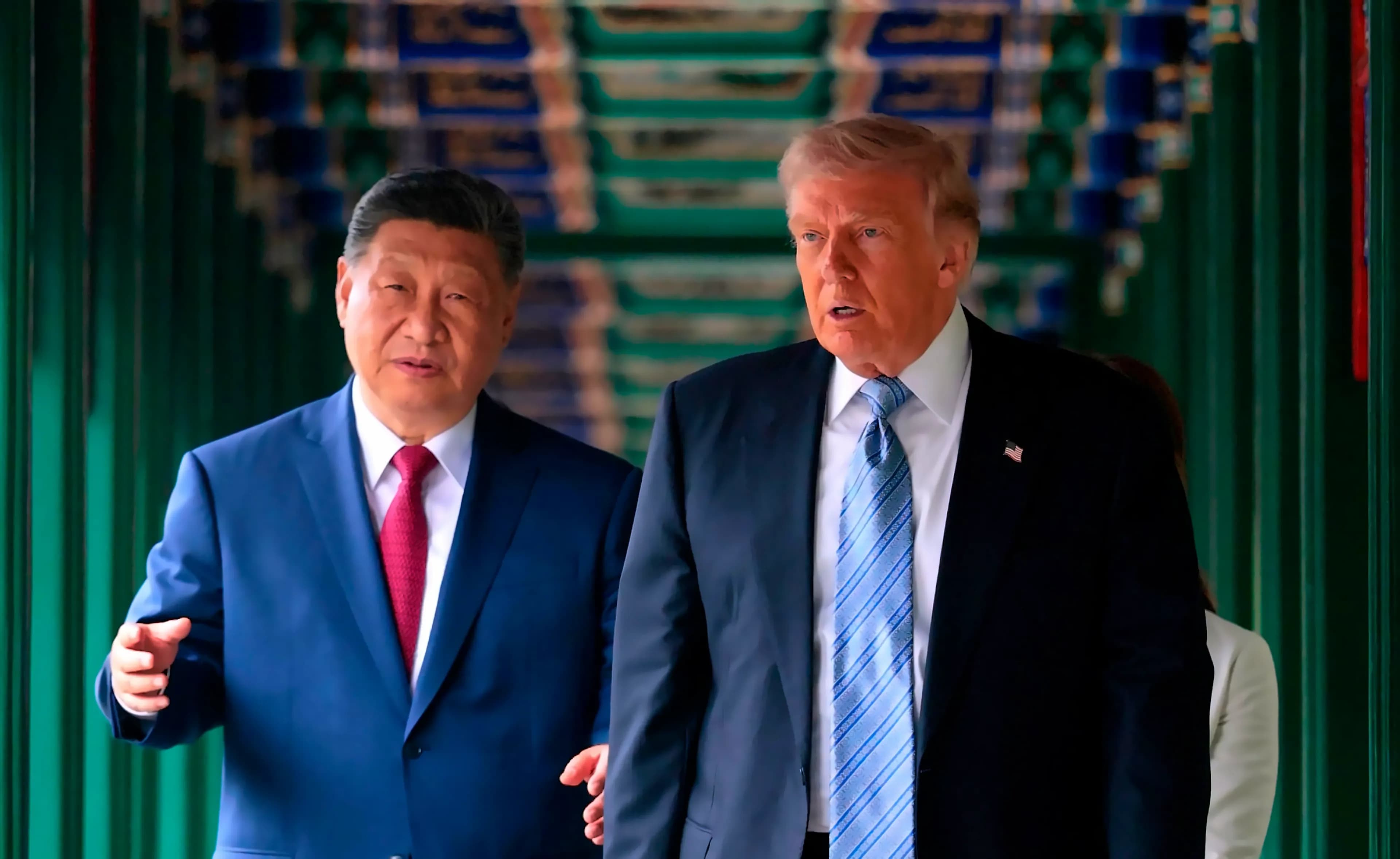
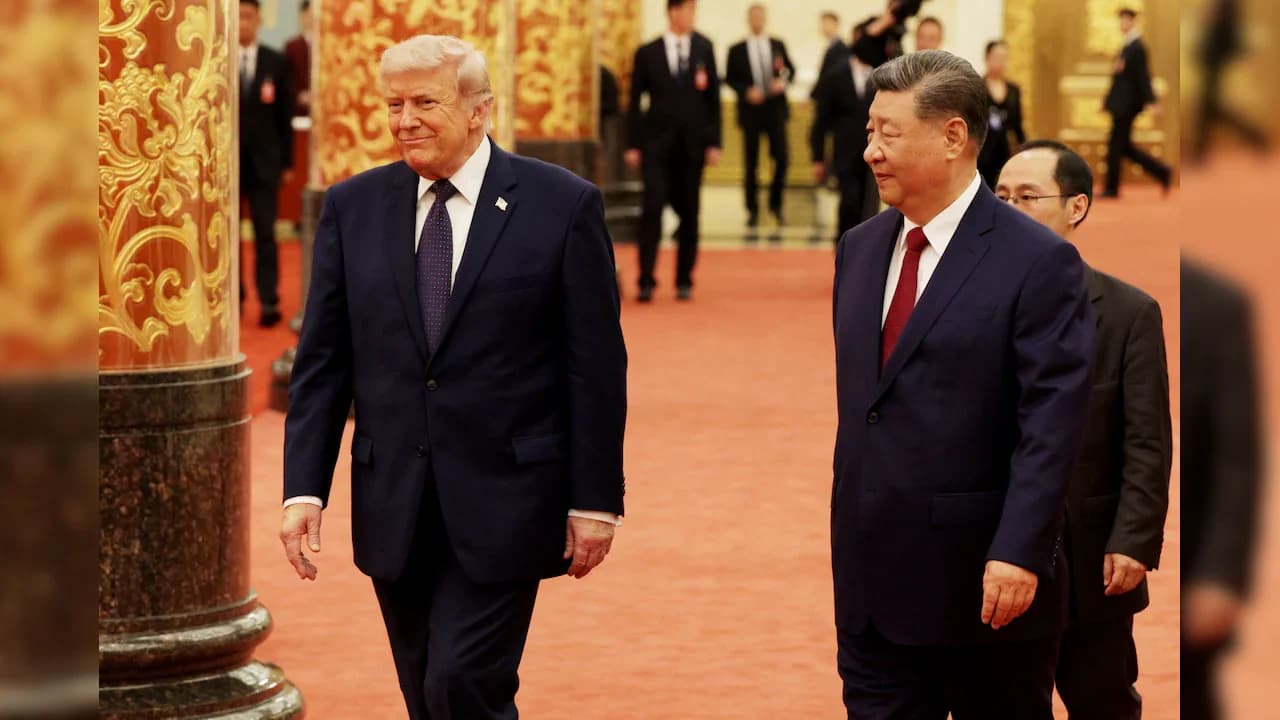
China's rare-earth magnet exports to the United States declined 21% in August to 512 tons from the previous month, according to Chinese customs data released on Sunday. As reported by The Business Times, these industrial components – used in everything from cars to consumer goods and weaponry – give Beijing leverage in trade negotiations with Washington. The leaders are expected to meet in the US capital on Thursday to discuss critical mineral flows between the world's two largest economies, with discussions likely covering trade, artificial intelligence, and other strategic issues.
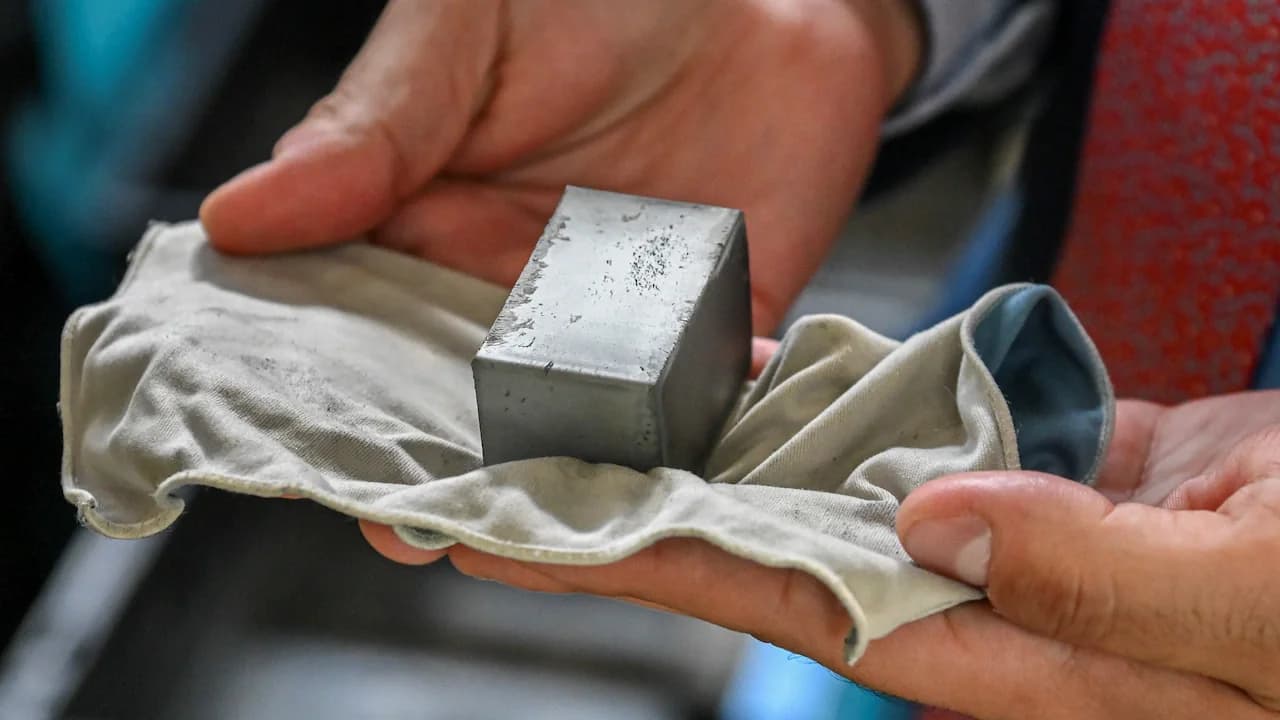
Rare-earth magnets and other industrial components have become Beijing's greatest point of leverage over Washington in trade negotiations. According to reports from The Business Times, China hopes to offer more licenses for rare earth exports as a bargaining chip in upcoming talks, though the specific demands from Beijing remain undisclosed. Chris Kennedy, lead for economic statecraft at Bloomberg Economics, noted that 'Washington needs stability with Beijing to keep these critical inputs moving,' while periods of calm that restore access to lower-cost Chinese material weaken the urgency for the US to break its dependence on China.
China imposed controls on rare-earth magnet exports in April 2025, though these were subsequently eased. As reported by The Business Times, Chinese customs data shows that direct exports of rare earths including yttrium, dysprosium and terbium – subject to export controls – have also dropped compared with previous years. The industry is closely watching the outcome of the Xi-Trump talks as they come before the expiration of a US-China trade truce in November. Shipments had slumped in May 2025 but quickly recovered, with current monthly averages running at approximately 504 tons, though this remains below the 621 tons recorded in 2024 before the export curbs were implemented.
US Trade Representative Jamieson Greer gave Beijing a 'passing grade' for its performance in maintaining critical mineral flows in May. According to The Business Times, US Treasury Secretary Scott Bessent stated in July that China should 'fully meet its commitments.' Bessent and China's Vice Premier He Lifeng held talks in New York over the weekend ahead of the leaders' meeting, with both sides emphasizing the importance of maintaining stable critical mineral supply chains.