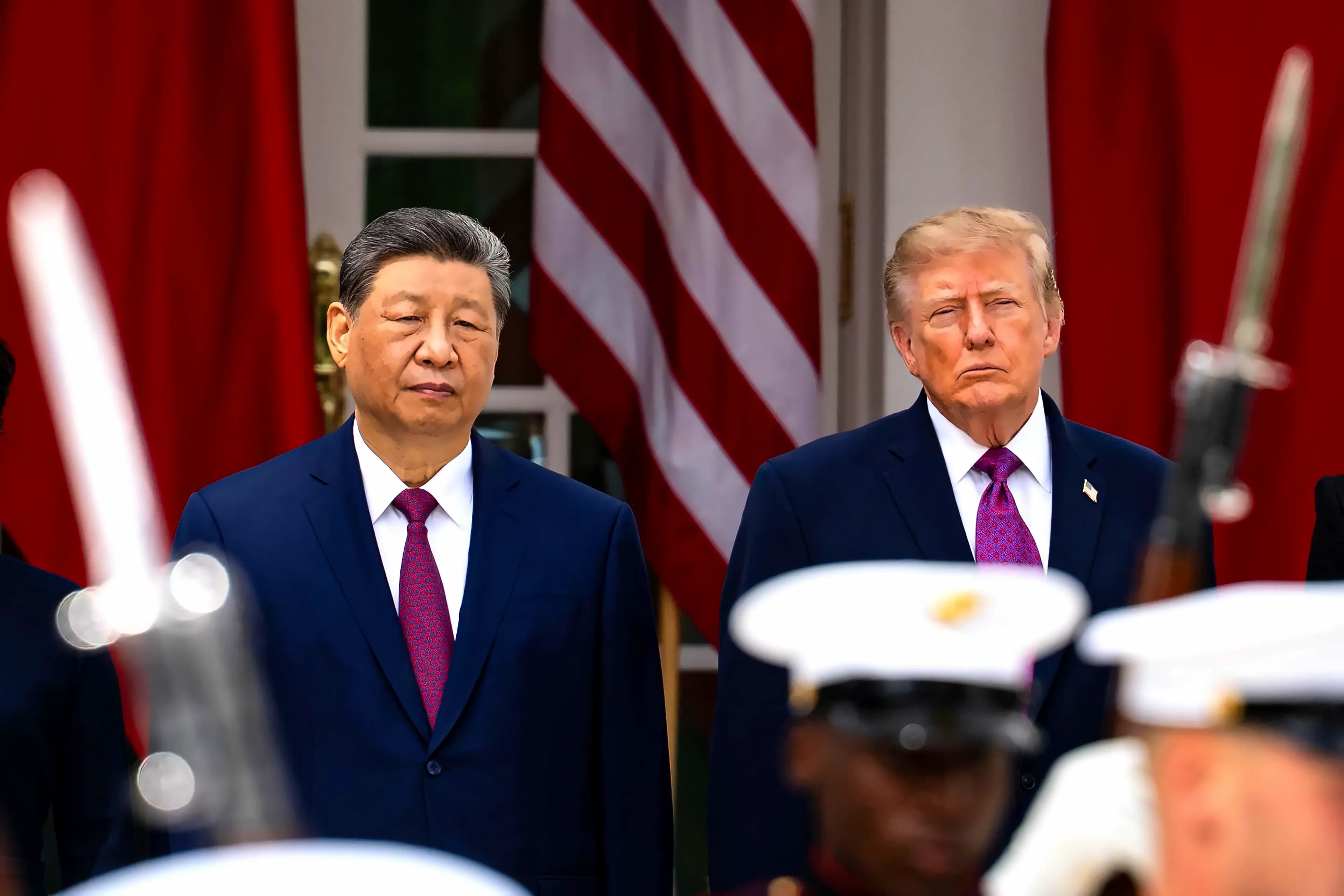
Despite the rare warmth displayed during the recent summit between US President Donald Trump and Chinese President Xi Jinping in Washington, serious differences between the two nations continue to persist. According to Republican Senator Steve Daines, a close Trump aide and key interlocutor between Washington and Beijing, both sides still have issues that predated Xi's visit last week and would continue working on them. As reported by the Hong Kong-based South China Morning Post, Daines emphasized that the answer is not to retreat but to stay engaged, maintaining that it's really important to keep the dialogue going between the two countries.
The September meeting revealed a fundamental shift in how both leaders approach their relationship, with Xi Jinping emphasizing the need for 'constructive strategic stability' and guardrails around competition. According to analysts, Trump adopted a more transactional approach, focusing on personal relationships and immediate results, while Xi framed his statements within China's long-term national interests. The summit produced a common understanding on eight deliverables, including a US$30 billion reciprocal tariff arrangement with a trade board and establishment of an artificial intelligence dialogue. As reported by multiple analysts, the visit marked the beginning of efforts to manage their strategic rivalry rather than resolve fundamental differences.
Rare earths, essential for products ranging from smartphones to fighter jets, remain a major source of contention between the world's two largest economies. According to a White House fact sheet on last week's summit, both sides would continue working on US concerns over supply chain shortages involving rare earths and other critical minerals, with the goal of ensuring shipments return to appropriate levels. During Xi's visit, the two sides announced a two-month extension of the October 2025 trade truce reached in Busan, South Korea, which included China's commitment to increase critical metals supplies to the US. China accounts for about 70% of global rare earth mining and nearly 90% of processing.
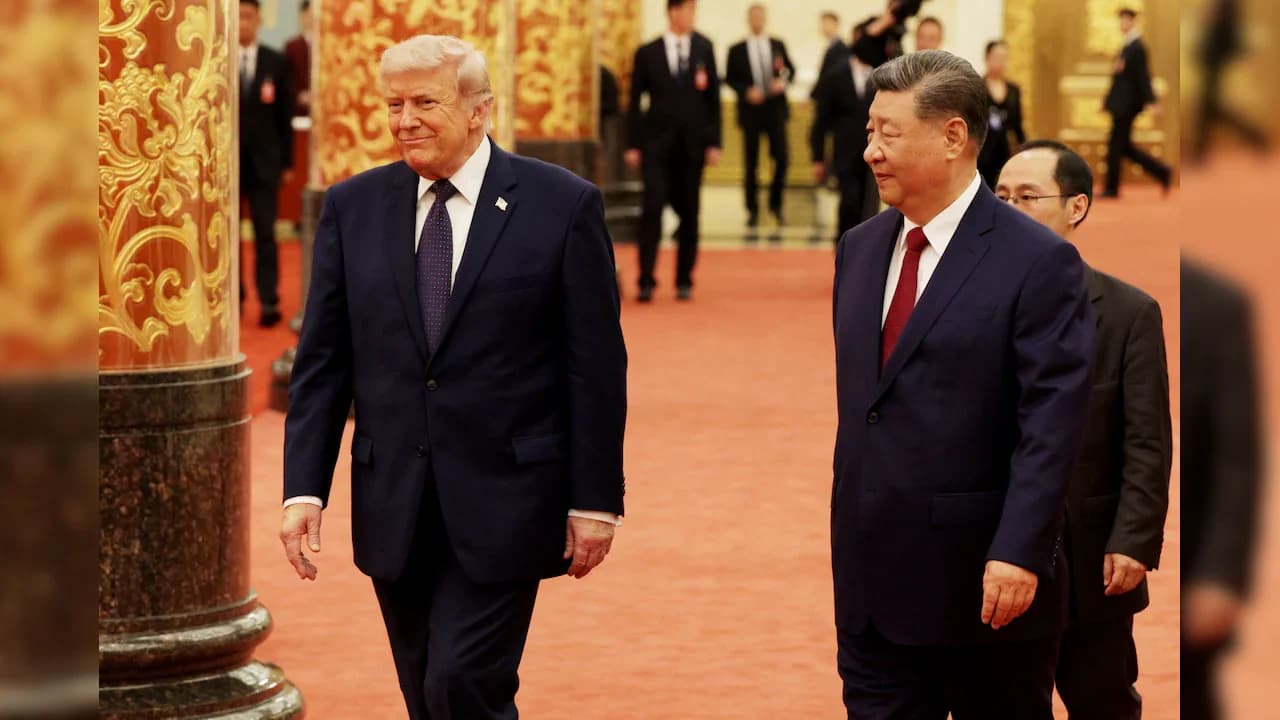
Taiwan remains another major point of contention between Washington and Beijing. On questions regarding the uncertainty surrounding US arms sales to Taiwan, Daines indicated that Trump was probably one person that has that answer. As reported by the South China Morning Post, Daines stated that it's going to be an ongoing topic that's not going away. The White House had paused a USD 14 billion arms package for Taiwan, including advanced air and missile defence systems, shortly before Trump's visit to Beijing in May despite congressional approval. An earlier USD 11 billion US arms sale announced in December had drawn a strong reaction from Beijing. According to recent reports, US representatives, including the US ambassador to China, emphasized that there was no change in Washington's long-standing policy regarding Taiwan, despite Chinese President Xi Jinping pushing for a stronger stance against Taiwanese independence.
Following their Washington summit, Trump and Xi agreed to meet again at the APEC gathering in Shenzhen next month, followed by another meeting at the Group of 20 summit in Miami in December. According to Daines, he remained in close contact with a lot of folks who will be there. As reported by the South China Morning Post, Daines noted that at this point, he doesn't have another trip planned to China, but that could always change. During their meeting on September 24, Xi urged Trump to explicitly oppose Taiwan independence, according to the Post. The summit's outcomes reflect that neither the US nor China appears willing to push the rivalry into a full-fledged trade war, when the broader geopolitical environment is already unstable.