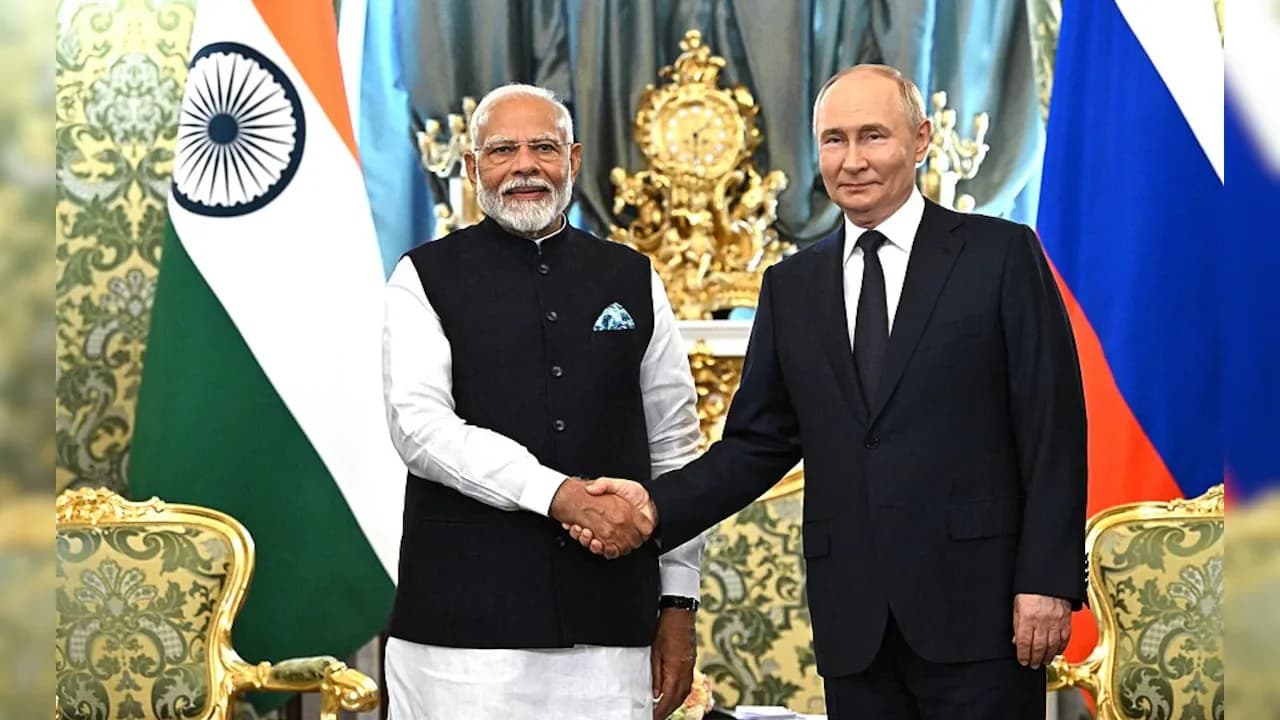
Russia is exploring the feasibility of building a direct railway connection to the Indian Ocean to reduce transit risks associated with the Bosphorus and Strait of Hormuz, according to Deputy Prime Minister Marat Khusnullin in an interview with news agency TASS. The proposed network would create a direct overland rail freight connection between Russia and India, potentially offering an alternative route for trade between the two countries while reducing dependence on key maritime chokepoints. Khusnullin emphasized that "A rail link to the Indian Ocean should also be explored. Risks related to the Bosphorus and the Strait of Hormuz might require alternative routes: through Turkmenistan, Iran, Afghanistan, and Pakistan. Any options providing access to India are acceptable," as reported by TASS. Currently, this proposal remains in preliminary stages, awaiting further exploration and feasibility studies.
The rail link proposal builds upon the International North-South Transport Corridor (INSTC), a multimodal network launched by Russia, India and Iran that combines rail, road and sea routes. The western route runs through Russia, Azerbaijan and Iran, while the eastern branch passes through Kazakhstan and Turkmenistan before reaching Iran. From Iran, cargo can move towards India by sea. Khusnullin has previously stated that Russia plans to develop the North-South corridor to reach Iran and India through Kazakhstan, Turkmenistan and Azerbaijan. The 7,200-km INSTC is designed to provide a shorter multimodal route between India, Iran, Russia and markets farther north and west, though it includes both railway and maritime sections rather than functioning as one continuous railway line.
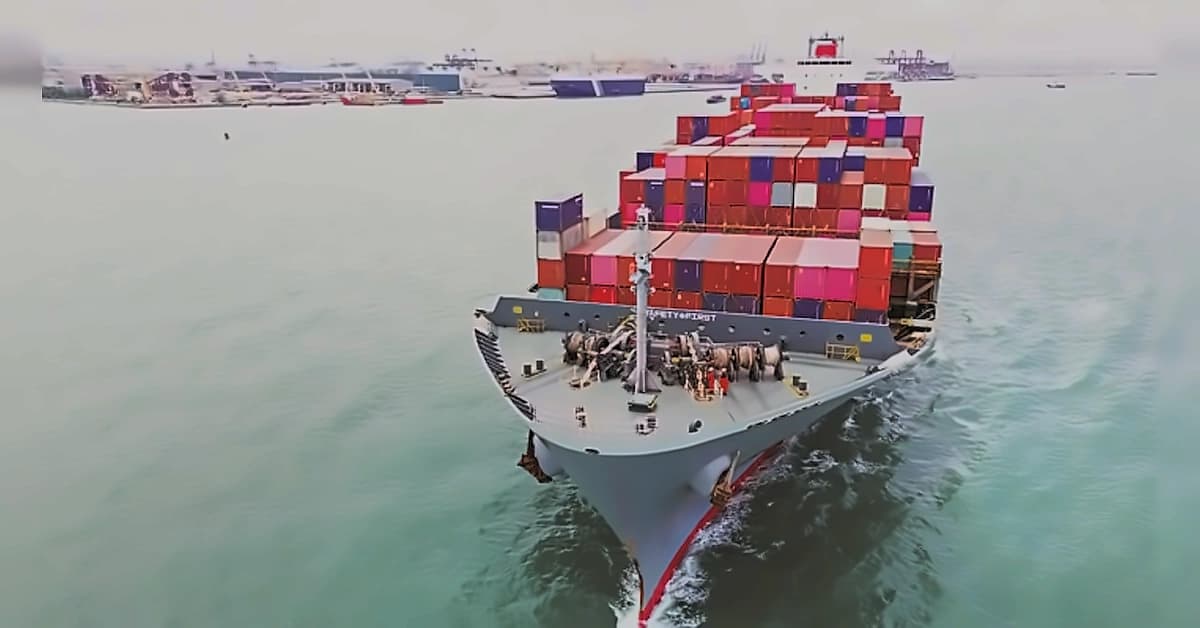
The strategic chokepoint handles around 25% of global oil trade and nearly 20% of worldwide liquefied natural gas (LNG) shipments, making it a critical maritime route. On February 28, joint military strikes were launched against Iran, targeting key urban centres including Tehran. Iran's Islamic Revolutionary Guard Corps (IRGC) responded with missile and drone attacks against Israeli positions and US military bases across multiple countries. Following the escalation, Tehran announced a maritime blockade of the Strait of Hormuz targeting vessels linked to the US, Israel and allied countries involved in military operations against Iran. The blockade specifically targets vessels affiliated with the US, Israel, and allied nations involved in operations against Iran, as reported by ANI. The stakes for global trade are significant, as any prolonged disruption could affect energy supplies, shipping costs and delivery times worldwide.
For Russia, greater rail connectivity with South Asia could support the expansion of trade with India and provide additional options for moving goods outside vulnerable maritime routes. According to the Deputy Prime Minister, Russia's domestic construction industry currently has the capacity to absorb an additional one trillion rubles in funding each year. Khusnullin added that if such volume is secured for the next five years, it would be possible to expand capacity and build even more infrastructure projects. Building a continuous rail freight network across multiple countries would require substantial investment, cross-border coordination and agreements on transit and customs procedures. The proposal emerges against the backdrop of escalating maritime disruptions in the Strait of Hormuz following armed hostilities involving the US, Israel, and Iran, with Moscow's push for rail connectivity gaining greater strategic importance as disruptions affect key maritime routes.