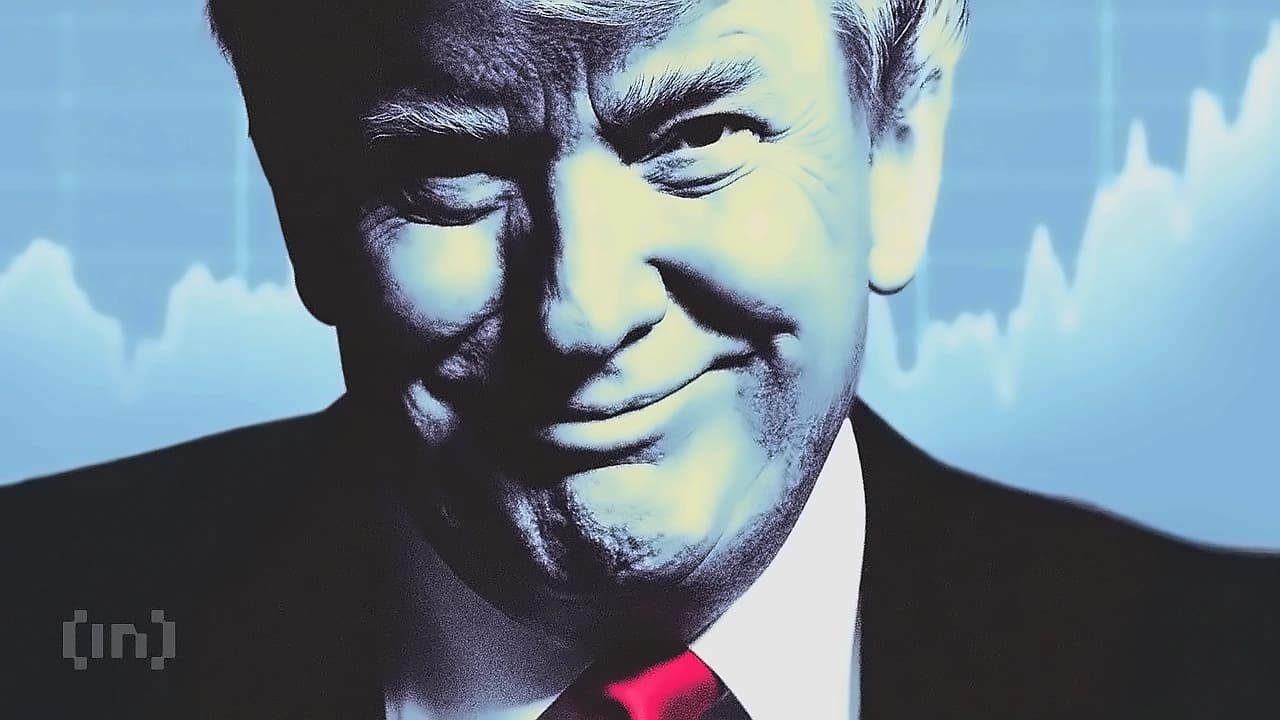
US President Donald Trump announced he faces a 'big decision' on Iran, framing the choice as reaching a deal after the midterm elections or 'annihilating' the country. Speaking during a wide-ranging speech at the UN General Assembly, Trump stated that 'This year, many of us have also been in close contact as we sought to address the other longstanding challenge in the Middle East, and that's the Iranian regime's pursuit of a nuclear weapon and a nuclear bomb. And we're not going to let that happen. It's already ended. That aspect of it, in my opinion, has already ended.' However, Trump's administration has been engaging in diplomatic discussions with Iranian officials, with US Special Envoy Steve Witkoff confirming that the US and Iranian delegations engaged in talks through mediators on the sidelines of the UN General Assembly. Witkoff added that 'they successfully completed a round of discussions that we hope will prove constructive and promising. The mediators will continue their work.'
US President Donald Trump announced his administration's strong support for the India-Middle East-Europe Economic Corridor (IMEC) during a multilateral meeting with the Gulf Cooperation Council on Tuesday at the UN General Assembly. According to reports from ANI, Trump emphasized the need to shift Middle East energy infrastructure away from Iranian checkpoints amid multiple strikes on West Asian countries during the ongoing war. The President stated that 'Iran's terrorist attacks on commercial shipping in neighboring countries have shown the need to shift Middle East energy infrastructure away from the Iranian checkpoints. That's why my administration strongly supports the India-Middle East-Europe Economic Corridor and other places in the form of getting oil out, whether it's pipelines or anything else.' Speaking to the leaders at the meeting, Trump said the corridor could help create alternative routes for energy and trade as the region faces continued disruptions linked to the conflict. 'Together, we're on the verge of overcoming challenges that have plagued this region for decades' and expressed hope that the region was close to overcoming longstanding challenges.
The India-Middle East-Europe Economic Corridor (IMEC), unveiled on September 9, 2023 on the sidelines of the G20 Summit in New Delhi, comprises two strategic corridors designed to bypass Iranian influence. The corridor includes an Eastern Corridor connecting India to the Gulf region and a Northern Corridor connecting the Gulf region to Europe. Under a memorandum of understanding signed by participating countries, the project envisages a railway network to provide a reliable and cost-effective cross-border ship-to-rail transit system, supplementing existing maritime and road transport routes. The participating countries also intend to facilitate the laying of electricity and digital connectivity cables along the railway route, as well as pipes for the export of clean hydrogen. The project is seen as an effort to create an alternative trade and connectivity route between Asia and Europe, and reducing transit times and improving supply-chain links. The IMEC initiative can help position India as a key player in reshaping global supply chains and trade routes, as noted by the Hudson Institute think tank, which described it as 'an alternative to China's Belt and Road Initiative'.
Trump described the leaders attending the meeting as some of the United States' closest allies and partners, emphasizing their efforts toward making the Middle East safer and more prosperous. The President said it was 'an honour to be here with some of America's greatest and closest friends, allies, and partners to continue our effort toward a safer and more prosperous Middle East'. For India, IMEC is significant as a proposed link connecting its economy with Gulf markets and onward to Europe, though the corridor's development remains closely tied to the security and stability of the region through which its proposed routes would pass. The project brings together India, the US, Saudi Arabia, the UAE, the European Union, France, Germany and Italy to improve connectivity, trade and sustainability across South Asia, the Middle East and Europe.
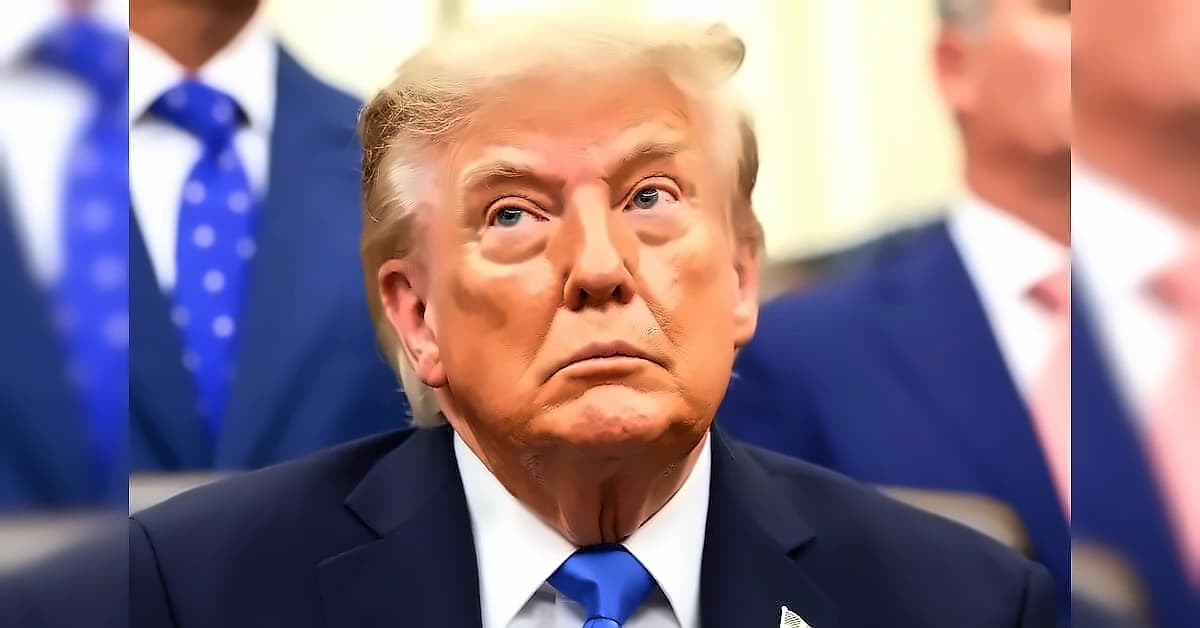
Echoing his earlier remarks at the UN General Assembly, Trump once again warned Iran of potential military action. As reported by ANI, Trump stated that 'There will be a time when it's too late, and we won't have the chance of letting them survive as a nation. I would like to see that, and I can tell you that people around this table would like to see it'. The warning comes as the region continues to face disruptions linked to the ongoing conflict, with Trump emphasizing that 'We've isolated Iran financially and hopefully they'll do the right thing fast'. However, Trump has simultaneously indicated that diplomatic contacts with Iran are continuing, while maintaining a hard line over Tehran's nuclear programme. Trump said on September 22 that talks with Iran were continuing and expressed hope that a settlement could eventually be reached, while also reiterating that the United States would not allow Iran to obtain nuclear weapons. The diplomatic engagement was evident as Iranian Foreign Minister Abbas Araghchi met with US Special Envoy Steve Witkoff on the sidelines of the UN General Assembly to discuss Iran's conditions for reopening the Strait of Hormuz, with Araghchi's proposed terms including the lifting of the US naval blockade, releasing frozen Iranian assets, and an end to the war on all 'resistance fronts' according to Iranian state broadcaster IRIB.