Commerce Secretary Rajesh Agarwal confirmed that India remains in 'regular contact' with the US for negotiating the proposed bilateral trade agreement (BTA), as reported by NDTV Profit. Both countries are committed to the framework deal that was finalised in February 2026, which outlined contours for the first phase of the BTA. However, changes in the tariff landscape in the US have led to further negotiations between the two sides. The commerce ministry emphasized that a key outcome of a trade deal is that it brings in more stability and predictability in the trade relationship so that businesses can work along. Commerce and Industry Minister Piyush Goyal has stated that the first tranche of the bilateral trade agreement will come into operation as soon as the United States is able to ensure that India gets a comparative advantage over its competitors.
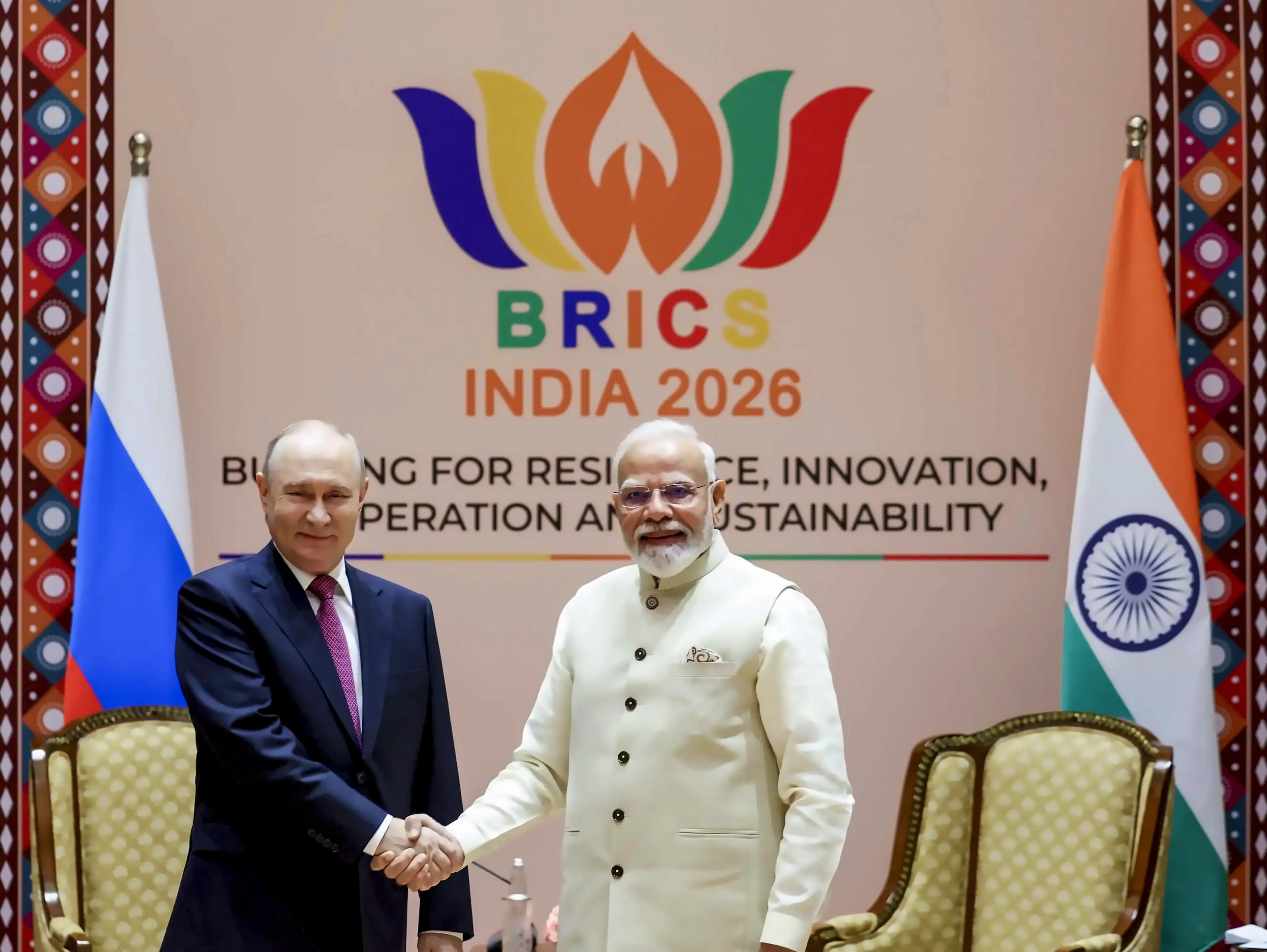
White House Trade Adviser Peter Navarro defended the strong relationship between President Donald Trump and Prime Minister Modi despite ongoing trade tensions, stating that 'the President and your Prime Minister have a very good working relationship. They are going to work that out amongst themselves, and it's not for me or any gaggle to get between that.' Speaking on Tuesday, Navarro responded to questions about the proposed Lindsey O. Graham Sanctioning Russia and Iran Act of 2026 that empowers the US President to levy tariffs of up to 100% on countries purchasing large volumes of crude oil and natural gas from Russia. As reported by ANI, Navarro emphasized that 'the trade relationship between the two countries would ultimately be settled at the leadership level.' This statement comes as India faces potential sanctions over its continued purchase of Russian oil, with the US Senate approving the bipartisan bill aimed at increasing economic pressure on Moscow by targeting countries whose purchases of Russian energy are viewed as helping finance its war in Ukraine.
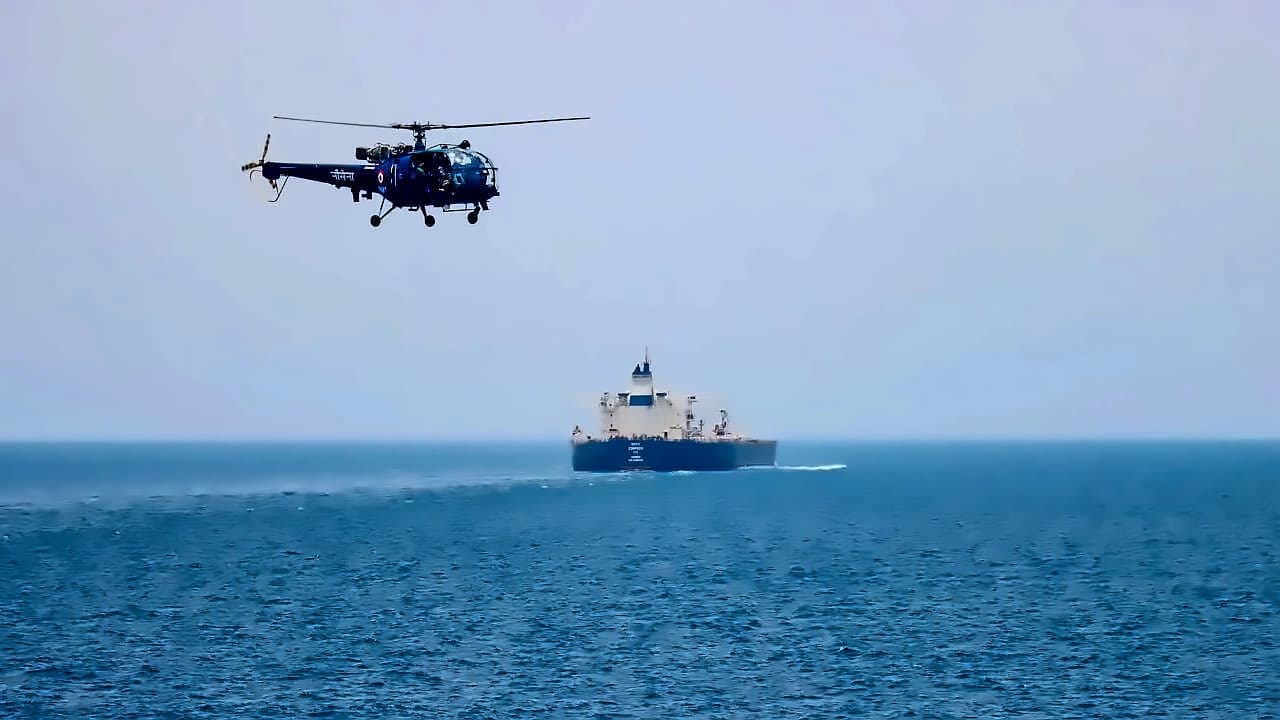
The latest developments come as India faces potential sanctions over its continued purchase of Russian oil, with the US Senate passing the proposed Lindsey O. Graham Sanctioning Russia and Iran Act of 2026 that could impose tariffs of up to 100% on countries buying Russian oil. An Indian government source told Reuters that while the sanctions bill is a matter of concern, talks so far have been reassuring. Commerce Secretary Rajesh Agarwal declined to comment on the bill specifically, stating it is a legislative process of the US that is underway and is their internal process. According to Business Standard, Russia supplied an estimated 52% of India's crude oil imports in July, up from 48.6% in June, with India's imports from Russia nearly doubling to $8.91 billion in July from $4.84 billion a year ago. Based on current import patterns, the five largest buyers of Russian energy are expected to include China, India, Slovakia, Hungary and Azerbaijan. India continues to be one of the biggest importers of Russian crude, with purchases rising sharply after the Russia-Ukraine conflict began in 2022.
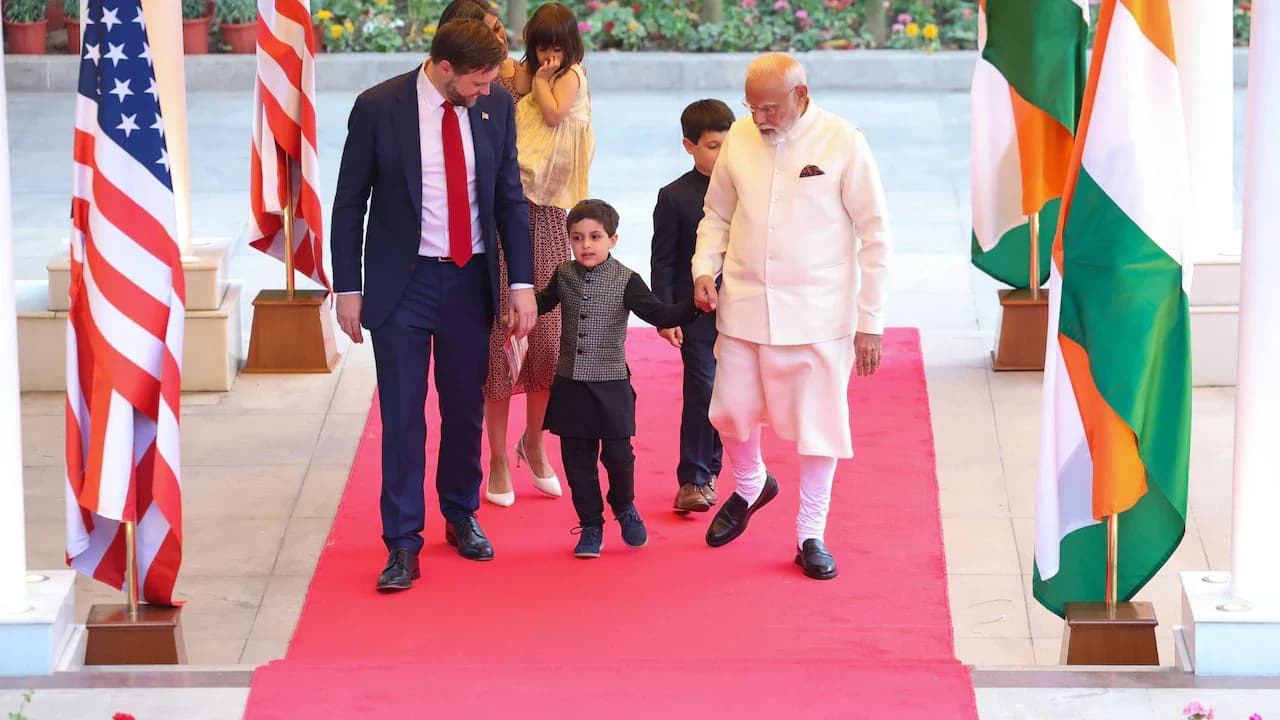
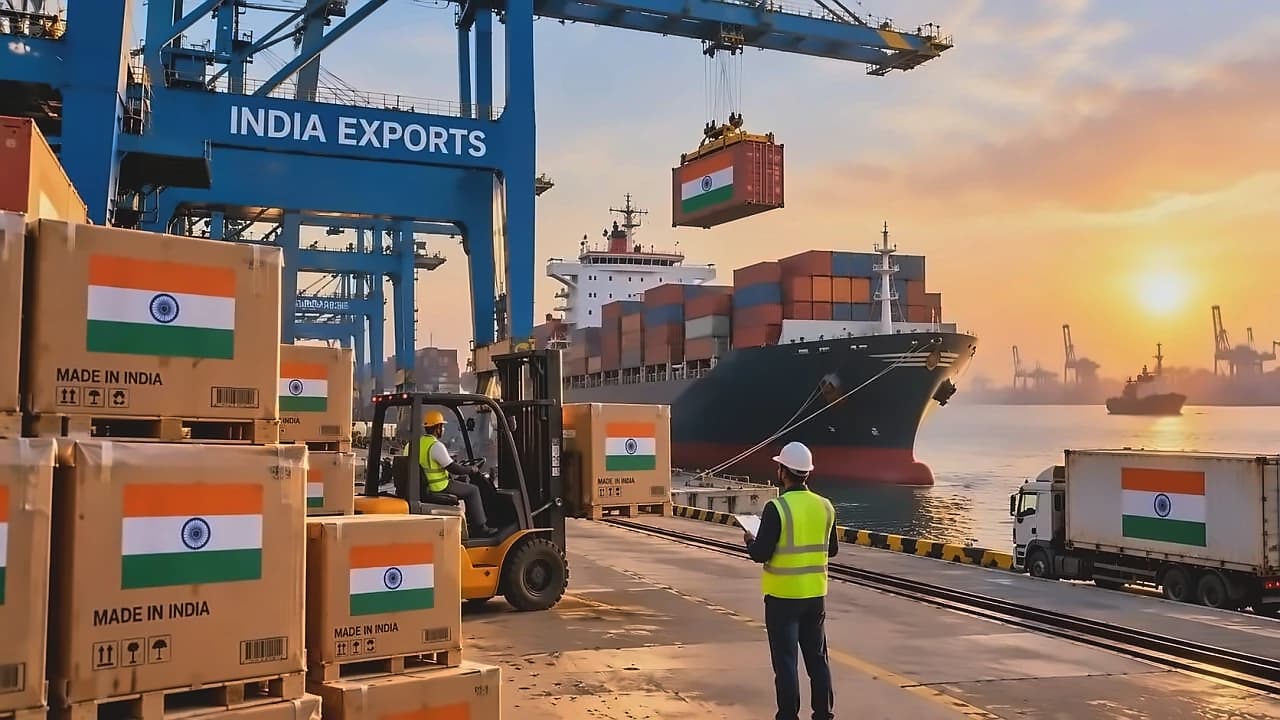
A senior US official reportedly indicated that the long-awaited India-US trade agreement could be signed within the next three to four months. Speaking on the sidelines of the ASEAN Foreign Ministers' Meeting in Manila, the official told reporters that negotiations between New Delhi and Washington were effectively complete. As reported by NDTV Profit, the official stated that 'the deal... is there. We literally have the paper,' speaking on condition of anonymity. However, Commerce Secretary Rajesh Agarwal confirmed that changes in the tariff landscape in the US have led to further negotiations on the agreement. The US has imposed an additional 10% duty on Indian goods under a Section 301 probe on alleged forced labour concerns, with the tariff advantage vis-a-vis major competitors like Sri Lanka, Bangladesh, Thailand, Cambodia, Vietnam, Indonesia and Malaysia potentially giving price competitiveness to Indian goods in the American market. India exported goods worth about ₹7.3 lakh crore ($87 billion) to the US in 2025-26.
A government official told Business Standard that ongoing trade negotiations with Washington have been 'reassuring' despite concerns over the US Senate bill. The official stated 'We are engaging with the US regularly. The talks have been reassuring,' without elaborating further. The US Senate last week passed a Bill that would allow Washington to impose tariffs on major buyers of Russian energy, but the measure does not automatically impose a tariff on Indian goods as the US House of Representatives is yet to consider the legislation. The Bill could then be sent to US President Donald Trump for approval, and it also contains a provision allowing Trump to waive the sanctions if he determines that doing so is in the US national interest. Commerce Secretary Rajesh Agarwal said the two economies have been in regular contact and remain committed to what was agreed in February, adding that 'My sense is, in every deal, one of the key outcomes is predictability in trade relations'.