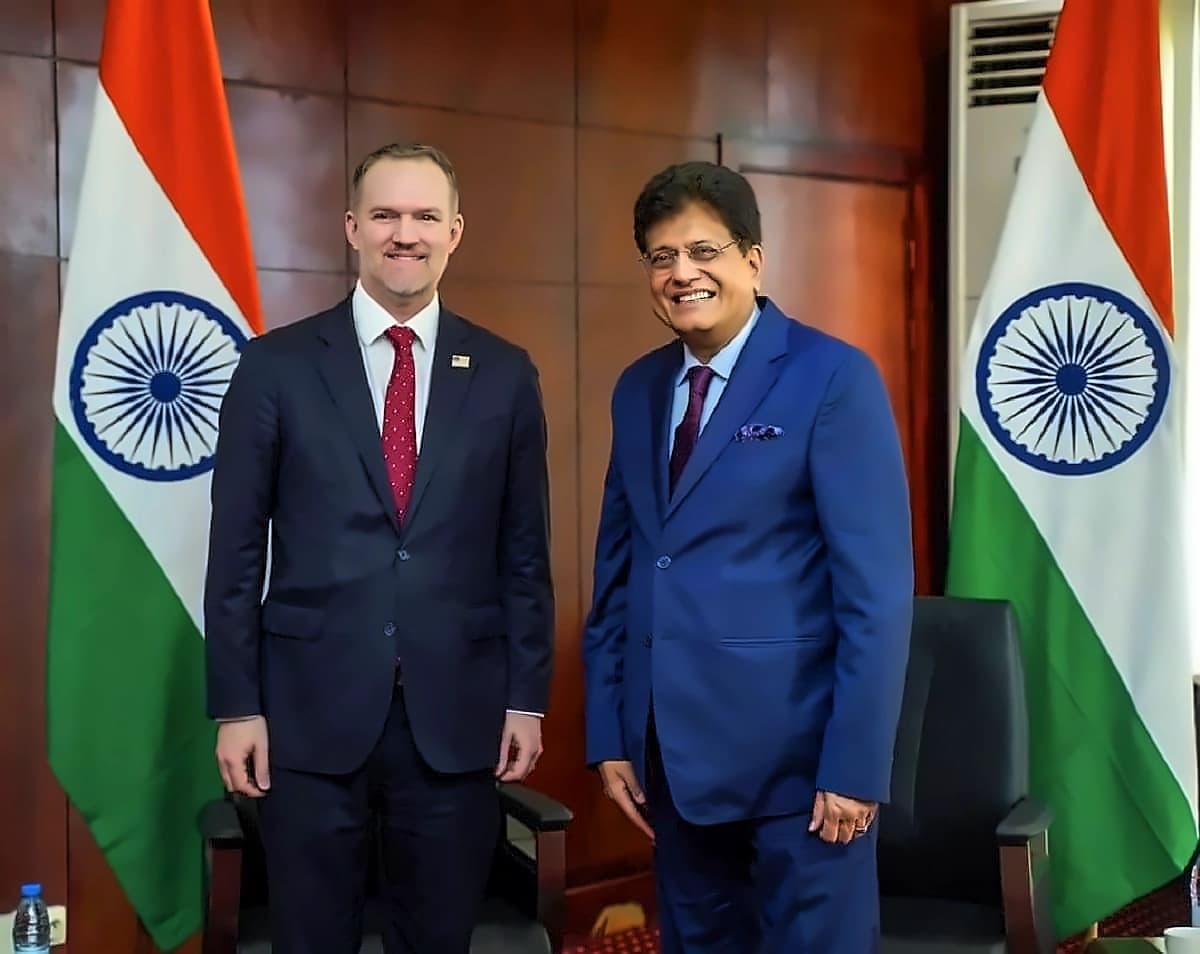
Commerce and Industry Minister Piyush Goyal has confirmed that the proposed India-US trade deal is 'done and dusted', but its execution is currently awaiting the right competitive advantage for Indian exporters. Speaking ahead of his visit to the US for the G20 Trade Ministerial in Milwaukee, Wisconsin from September 30 to October 1, Goyal stated that "We have to find the right comparable competitive advantage over our competitors, so that we can quickly execute the agreement." According to The Economic Times, Goyal is also scheduled to hold a bilateral meeting with US Trade Representative Jamieson Greer, where progress on trade negotiations is expected to figure prominently.
Congress has urged the Centre to put the proposed India-US trade deal on hold until tariff issues are resolved. Former commerce minister Anand Sharma criticised US President Donald Trump's move to impose 100% tariffs on countries buying Russian oil, including India, calling it discriminatory and a threat to India's energy security. According to The Times of India, Sharma maintained that Trump's "unjustified action" has serious implications for India's energy security, stating that "Trump's tariff regime and action violate US' own international commitments and undertakings as a member of WTO."
The Lindsey O. Graham Sanctioning Russia and Iran Act of 2026 allows the US administration to impose tariffs of up to 100% on imports from the five largest foreign buyers of Russian crude oil and natural gas, putting India among countries at direct risk. Global Trade Research Initiative (GTRI)'s Ajay Srivastava warns that Washington may offer a lower tariff rate in exchange for an unequal bilateral trade agreement and reducing Russian oil purchases. As per ABP Live, Srivastava observes that "although these countries would normally get 180 days to reduce Russian energy purchases or negotiate with Washington, President Trump may shorten the period and impose tariffs quickly to appeal to MAGA voters ahead of the midterm elections."
The key issue now is ensuring that Indian exporters do not lose out to competing suppliers in the US market due to differences in tariff treatment. According to The Economic Times, countries such as Bangladesh, Sri Lanka, Vietnam, Thailand, Cambodia, Indonesia and Malaysia compete with India in several US markets, and a preferential tariff arrangement for Indian goods would improve their price competitiveness. Piyush Goyal had earlier indicated that India would not move ahead with the agreement until a mechanism for securing such competitive advantage was finalised, stating that "I have categorically and on several occasions expressed the confidence that what we have finalised with the US as the first tranche of the bilateral trade agreement... will come into operation as soon as the United States is able to ensure that we get a comparative advantage over our competitors."
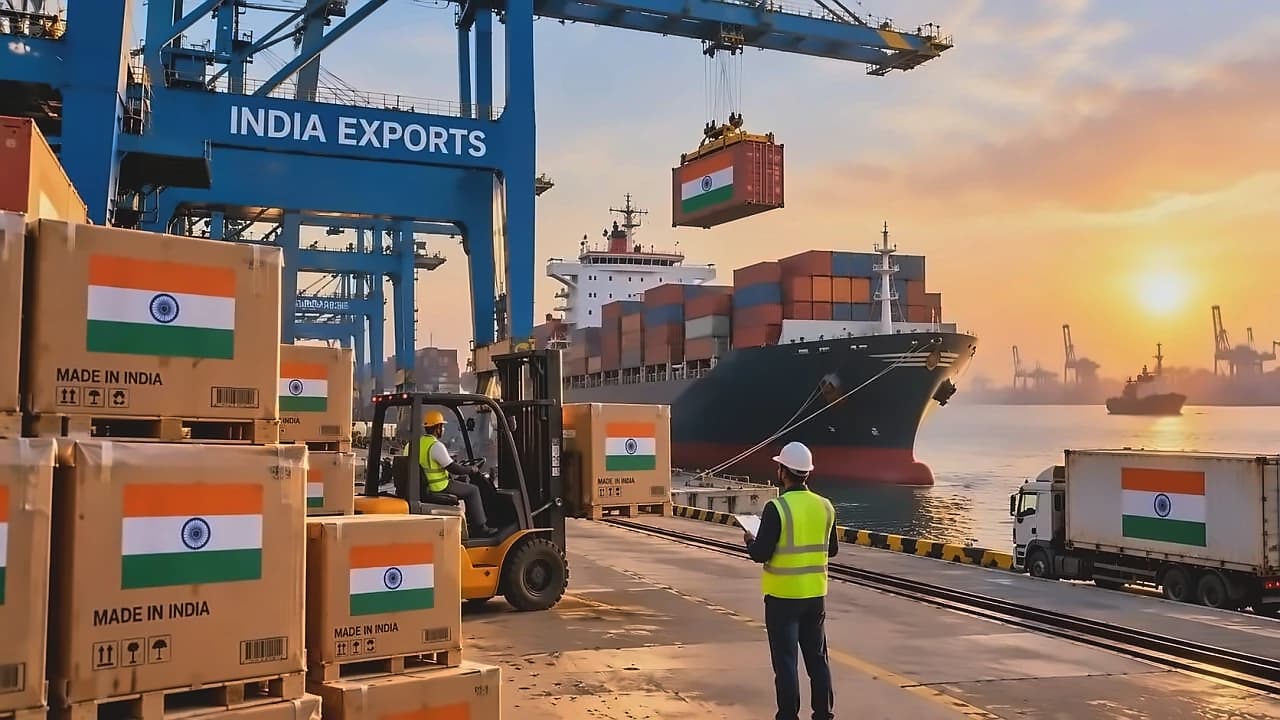
The US remains India's largest export destination and second-largest trading partner, with India's goods exports to the US valued at about ₹7.3 lakh crore ($87.3 billion) in 2025, while bilateral goods trade was close to ₹1.1 lakh crore ($141 billion). In July, the US administration imposed a 10% Section 301 tariff on goods from India following an investigation related to forced-labour import restrictions, with the US Trade Representative stating that India was among economies subject to the 10% rate after taking steps relating to forced-labour prohibitions. As per The Economic Times, the US President Donald Trump signed the Lindsey O. Graham Sanctioning Russia and Iran Act of 2026 on September 18, giving the US president powers to impose tariffs of up to 100% on countries buying Russian energy, with India stating it is studying the details and implications of the legislation.
Biswajit Dhar, former professor at Jawaharlal Lal Nehru University, advises that India should "stand up and eventually if the US becomes too demanding, we need to find alternate markets." According to ABP Live, he emphasizes that "Frankly I don't think we have done enough. With Africa we have sub-optimal trade relations. We need to step that up. Then there is Central Asian countries which we need to start looking at seriously right now and diversify." The Ministry of External Affairs has clearly stated that India remains firmly committed to ensuring energy security for its 1.4 billion people, with the MEA noting that "the Indian side has also made clear its determination to take all necessary measures to protect its trade and economic interests."