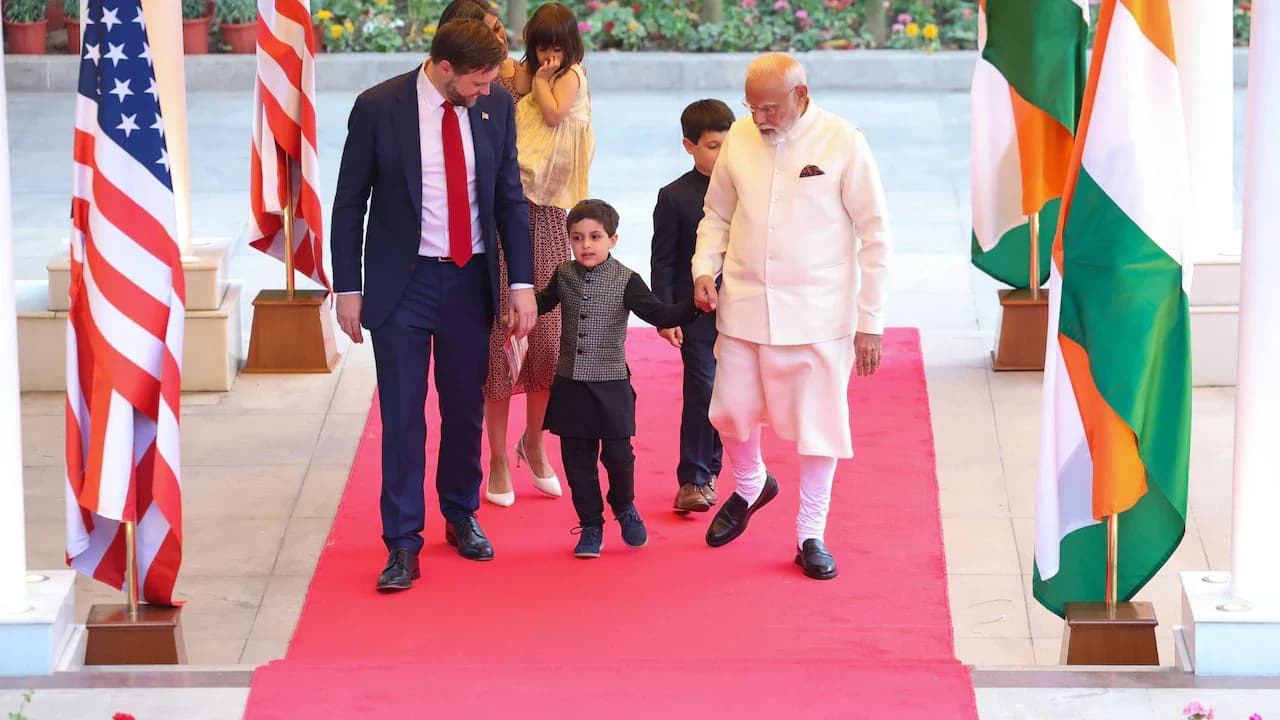
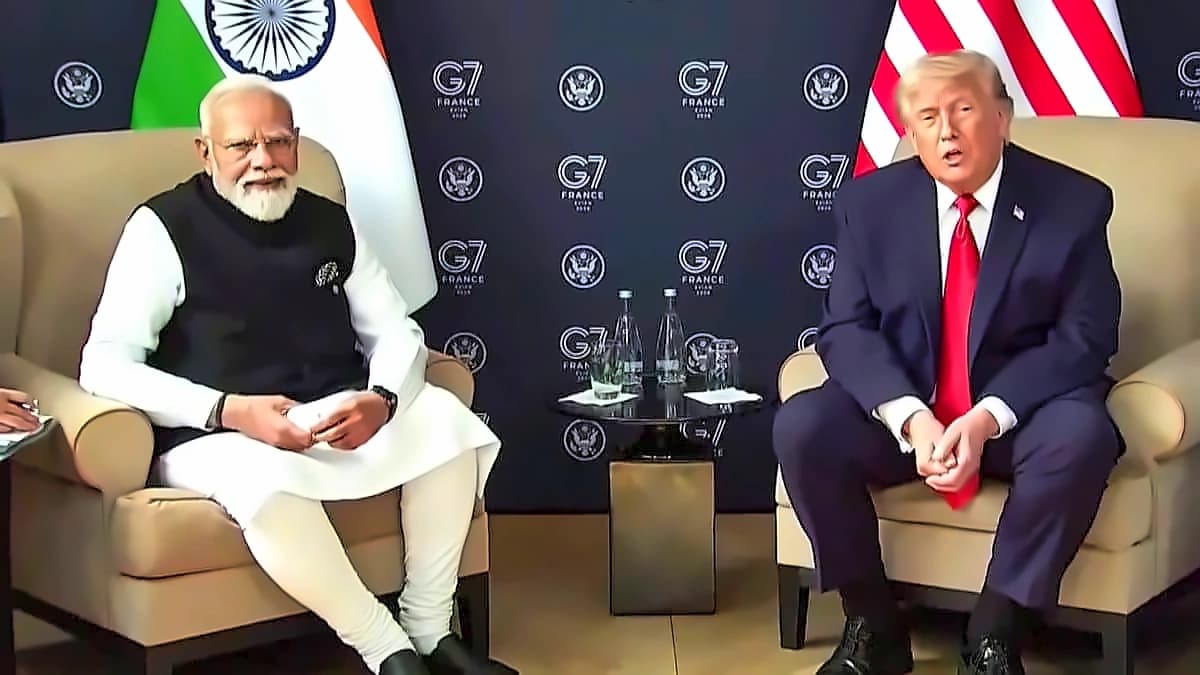
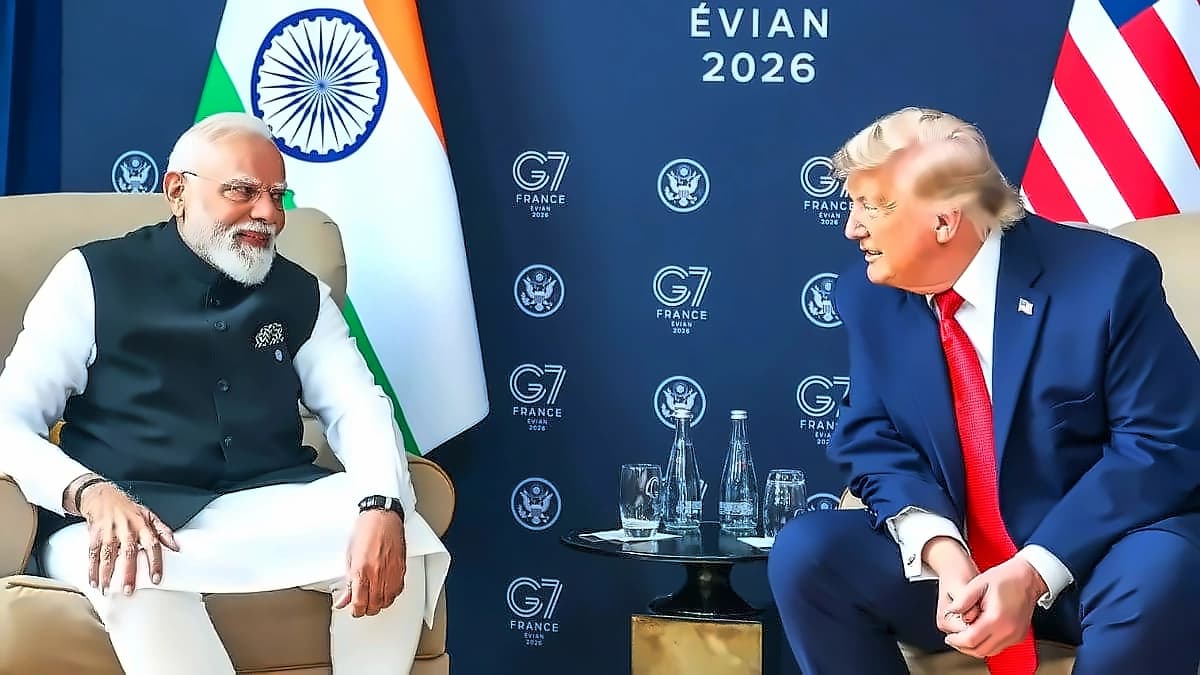
President Donald Trump has signed the Lindsey O. Graham Sanctioning Russia and Iran Act of 2026, officially granting himself sweeping new powers to impose punitive tariffs of up to 100% on major buyers of Russian energy products, including India, as reported by The Times of India. The legislation received a majority vote of 262-159 in the Republican-led House of Representatives on Wednesday, following the Senate's 86-11 vote on August 7 to advance the bill for final approval. The measure overcame fierce opposition from business lobbying groups including the US Chamber of Commerce and major retailers, who expressed concerns about Trump leveraging the legislation to expand tariffs. The legislation allows the president to impose a blanket tariff of 500% on Russian goods imported to the US and an additional 100% tariff on the top five energy importers, with the new tariff authority expiring after five years. The White House confirmed that the law expands statutory sanctions, tariffs and prohibitions targeting Russia and extends existing sanctions on Iran for five years.
China has strongly criticized the new US law that strengthens sanctions on Russia and extends trade measures on Iran, with a Commerce Ministry spokesperson stating that Beijing has "consistently opposed" unilateral sanctions and so-called secondary sanctions. As reported by Business Standard, the spokesperson specifically opposed sanctions that lack United Nations authorization or a basis in international law, while China will closely monitor Washington's next steps and reserves the right to take all necessary measures to safeguard its sovereignty, development interests and the legitimate rights and interests of its companies. Congress leader Jairam Ramesh has called for India to resist Donald Trump forcefully after the US President signed the comprehensive sanctions bill, stating on social media platform X that "The only way to counter a bully is to resist him forcefully." The legislation authorises President Trump to impose tariffs of up to 100% on countries buying Russian oil and gas, including China and India, with the law coming into effect within 30 days of signing by the President.
India's energy security strategy has become increasingly dependent on Russian crude oil since the Russia-Ukraine war began, with Russia accounting for over 51% of India's total oil imports in July 2026, reaching an all-time high. According to The Times of India, India's crude sourcing pattern has changed sharply since 2022, with Gulf countries' share falling below 30% while Russia's increased substantially. The Centre for Research on Energy and Clean Air (CREA) estimates that between December 2022 and August 2026, China accounted for around half of Russia's crude exports, followed by India at 37%, Turkey at 5% and the European Union at 5%. India's crude oil procurement is diversified across over 40 countries, but Russia and Middle East countries remain the mainstay in the oil security picture. As per The Times of India, Indian refiners have also secured supplies from the US, Brazil, Canada, Venezuela and African producers, but Russian crude remains a major part of India's import basket. A report by the Global Trade Research Initiative (GTRI) recommends that India should continue buying Russian crude as long as it remains commercially competitive and should not compromise its energy security for temporary tariff relief from Washington.
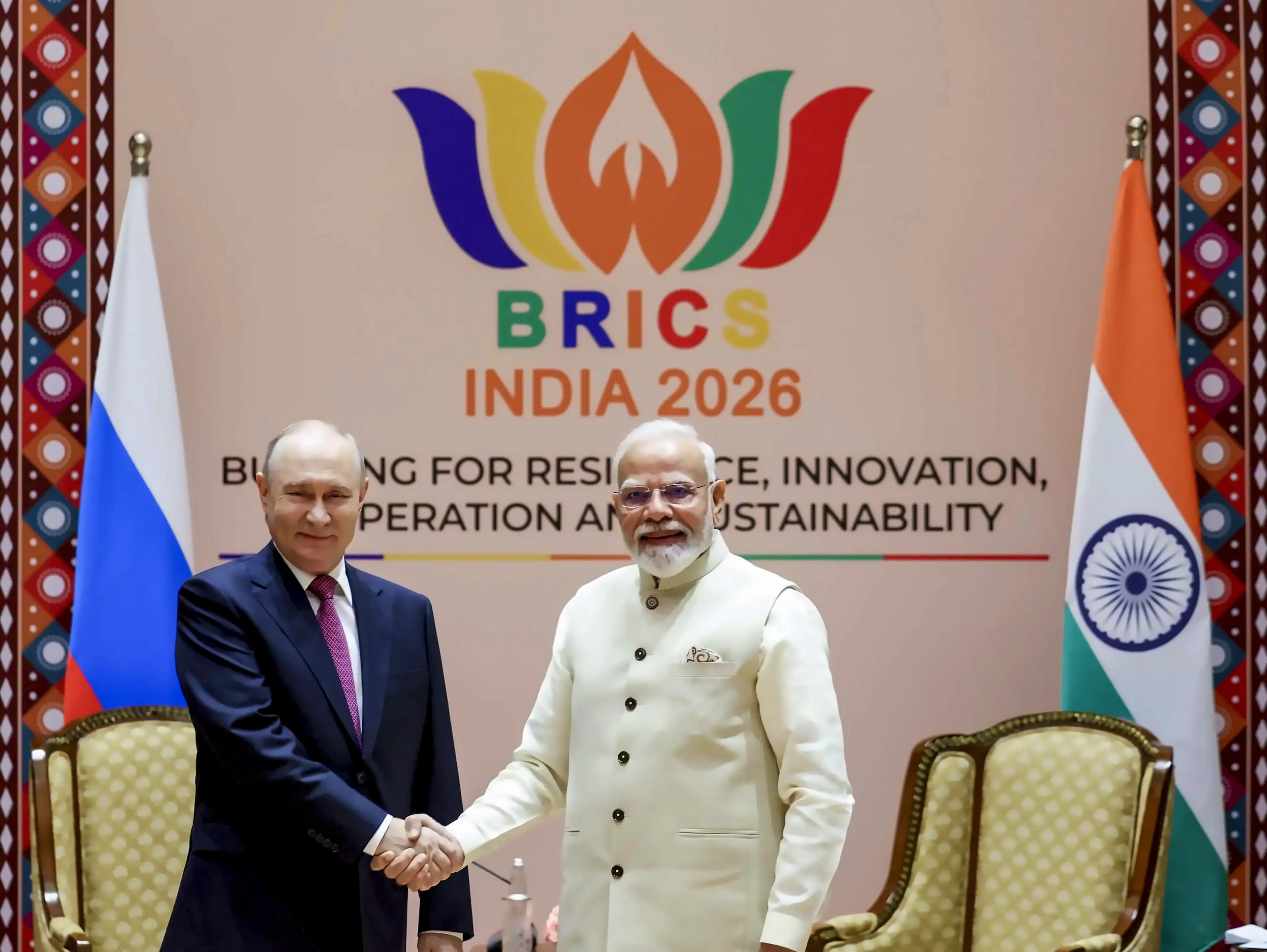
The Ministry of External Affairs (MEA) has expressed concerns related to the Russian sanction bill when it was cleared in the US Representative's house, stating "the impact this could have on our relationship and energy markets." As per The Times of India, the MEA added that "Meeting the energy requirements of our 1.4 billion people is an imperative that we have to follow, and we continue to buy energy from diversified sources." India and China have been long-standing, decades-old partners, with India's imports from Russia skyrocketing to $40.6 billion in 2022 from merely $8.7 billion in 2021, followed by staggering above $67 billion in 2023 and 2024. However, in 2025, imports declined to $62.9 billion, with mineral fuels, oils, and distillation products accounting for $53.84 billion of India's total Russian imports in 2025. Indian ambassador to the US Vinay Kwatra emphasized that "India imports over 85% of its crude oil and around half its natural gas. Our sourcing reflects a fundamental national responsibility: looking outside our borders to secure adequate, affordable and uninterrupted energy for our people."
The US sanctions legislation comes ahead of a high-stakes meeting between Trump and Chinese President Xi Jinping in Washington on Thursday, with US Treasury Secretary Scott Bessent and China's Vice Premier He Lifeng leading talks on trade and other pressure points in New York on Sunday. As reported by Business Standard, Trump on Friday signed a law authorizing tariffs on countries that buy Russian petroleum products, a move closely watched by Ukraine as it seeks stronger US backing in its war with Russia. The top five purchasers of Russian petroleum products — a roster that includes China, India and US allies like Turkey — could be hit with broad new tariffs. Opponents of the bill argue that it could open the door to tariffs on the entire European Union, since some EU member countries continue to buy Russian energy products. The legislation has cast uncertainty over the ongoing India-US negotiations for a Bilateral Trade Agreement (BTA), with officials declining to confirm if the BTA was still on the table, while experts view the legislation as the US's attempt to gain an edge in negotiations.