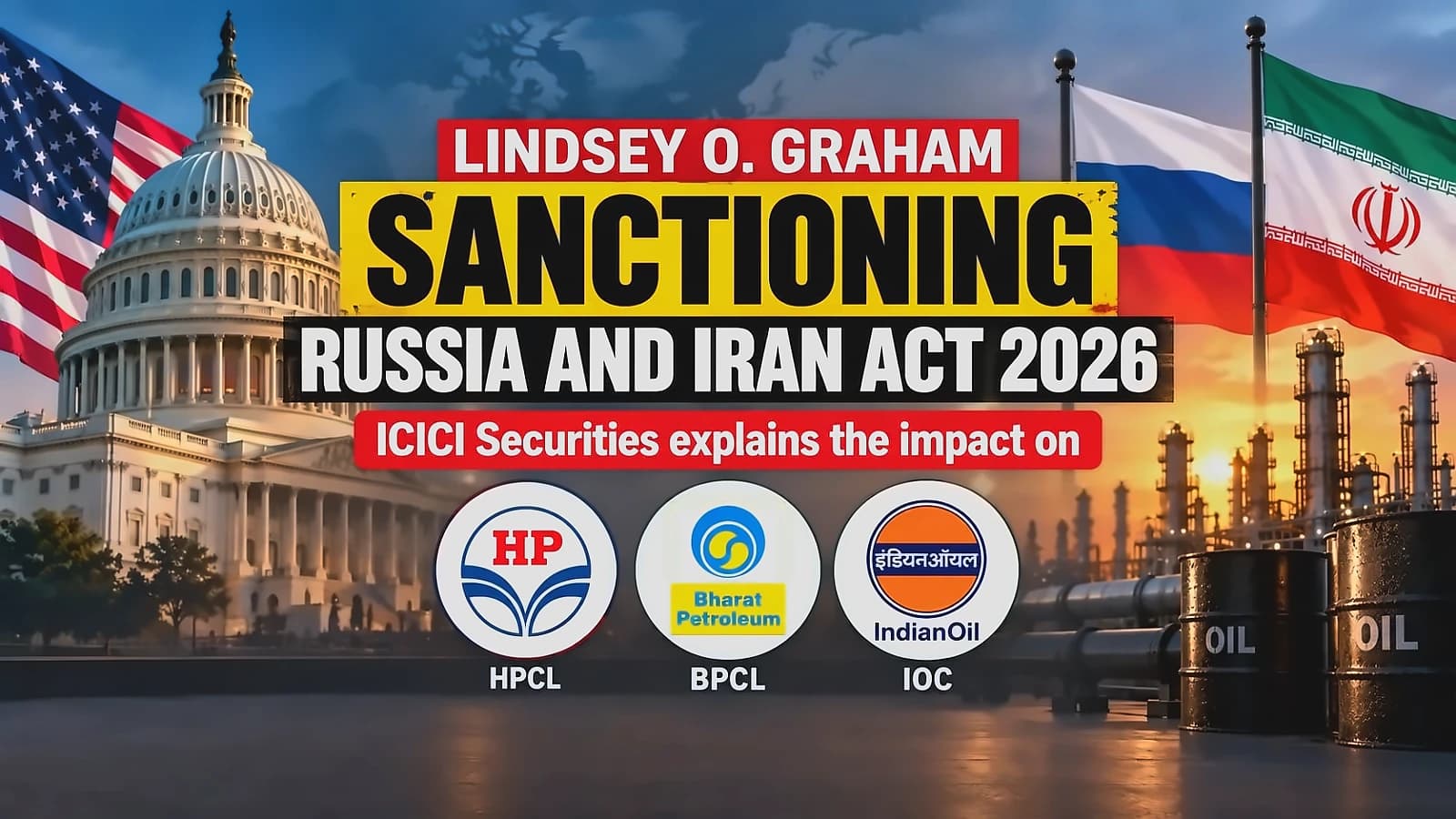
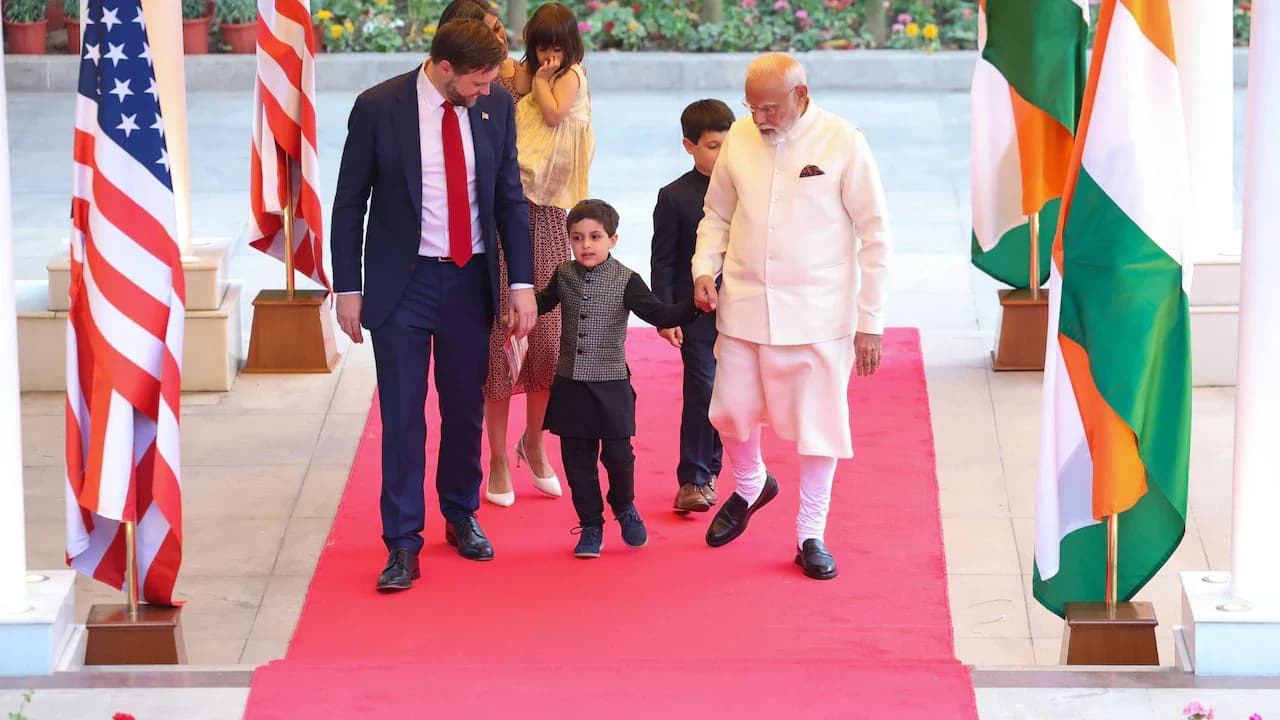
India-US trade negotiations continue despite a bipartisan US Senate Bill that could impose tariffs of up to 100% on countries buying Russian energy. According to Business Standard, the Indian government has indicated that talks with Washington remain active and both sides continue working towards a trade agreement. Commerce Secretary Rajesh Agrawal emphasized that India and the US remain in regular contact and are committed to the understanding reached in February, even though the terms of the proposed trade deal are now being revisited. The government is stressing engagement rather than confrontation, with officials describing discussions as 'reassuring' and focusing on predictability in trade relations as a key objective.
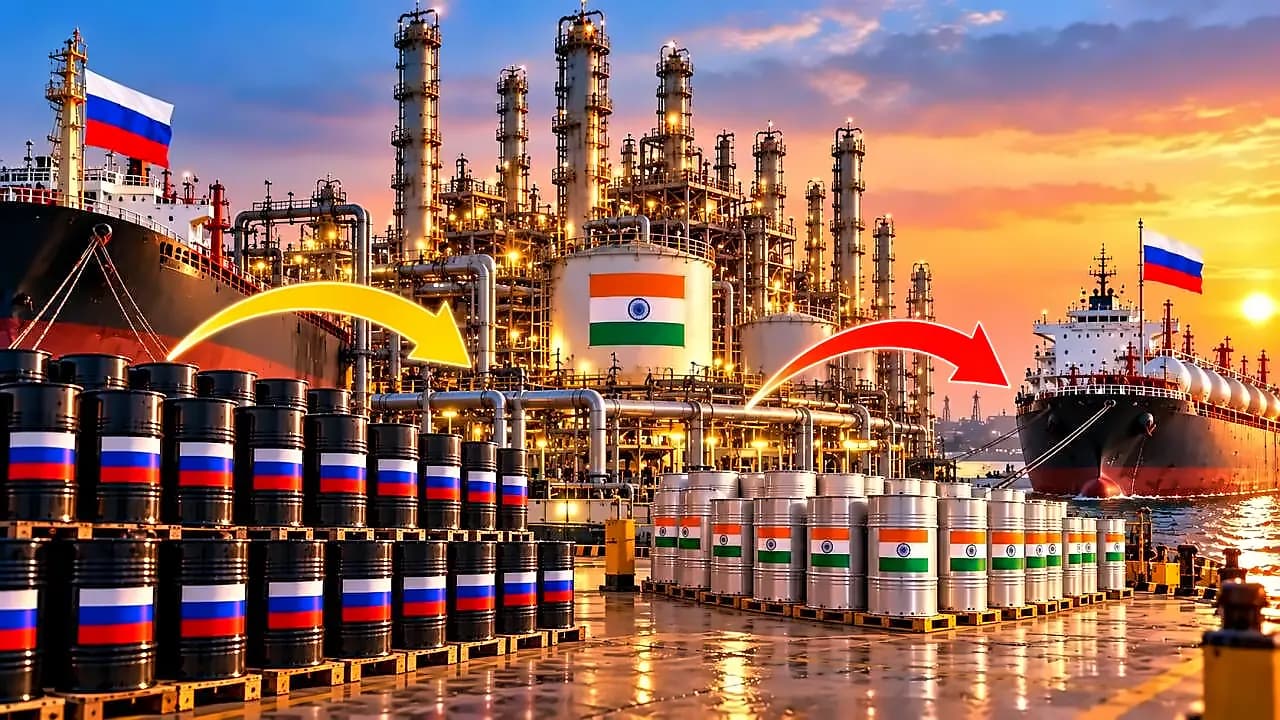
India's dependence on Russian crude has increased significantly, making the proposed US legislation a major concern. According to data cited by the Global Trade Research Initiative (GTRI), Russian oil accounted for an estimated 52% of India's crude imports in July, compared with 48.6% in June. India's imports from Russia rose to $8.91 billion in July, nearly twice the $4.84 billion recorded a year earlier. The Financial Express reported an even higher share based on crude shipment data, with Russian oil purchases reaching 2.78 million barrels per day in July, representing 55.3% of India's total crude purchases of 5.03 million barrels per day through July 29. This increased dependence explains why the proposed US legislation has become an important issue in ongoing trade discussions.
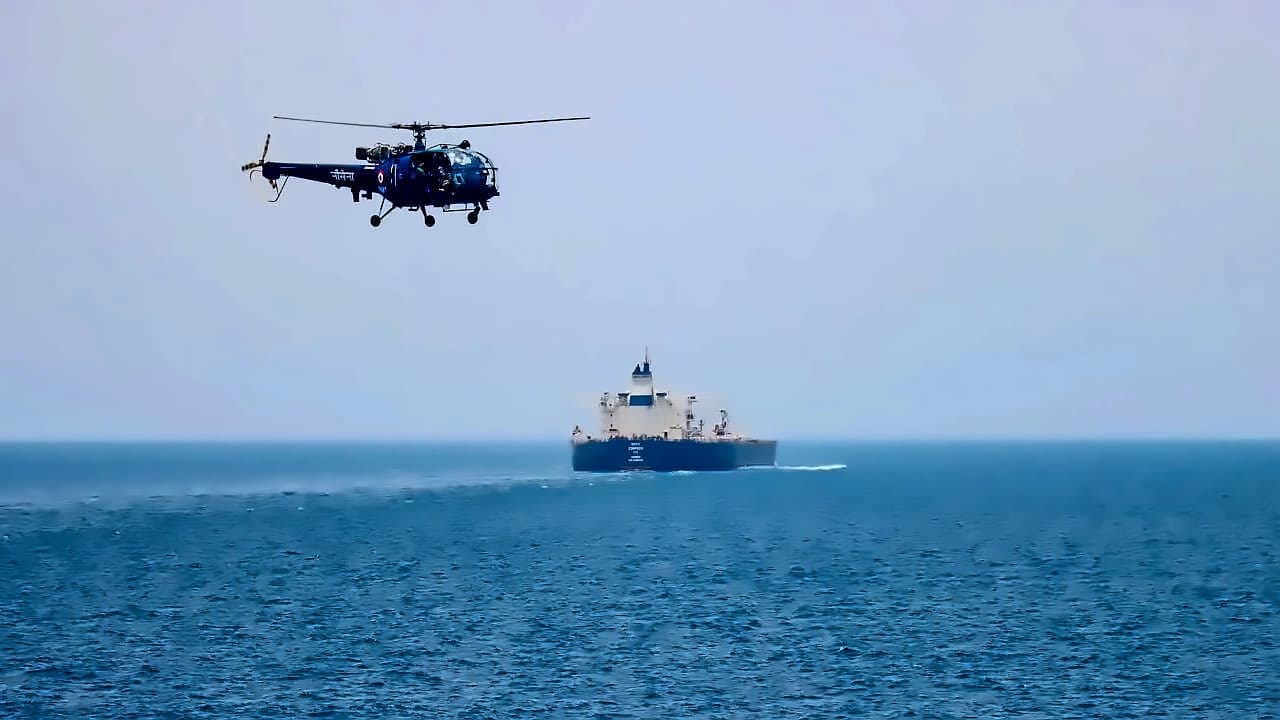
The West Asia crisis has significantly expanded India's oil product export markets, with Italy and Spain leading the growth charts among traditional destinations. According to disaggregated data for the first quarter, Singapore has emerged as the third largest goods export destination for India, while Tanzania and South Africa have broken into the top 10 markets. This diversification represents a strategic shift in India's export portfolio, with countries relying on Indian refineries to meet their requirements amid supply disruptions in the region.
The Russian oil legislation adds to existing US tariff pressures on India. Indian goods currently face an additional 10% tariff under Section 301 of the US Trade Act of 1974. Separately, the US is conducting another Section 301 investigation into India's policies relating to excess manufacturing capacity. The Office of the United States Trade Representative (USTR) has not yet released the draft findings of that investigation, though India has already participated in the process and submitted its response. The existing additional tariff followed a US investigation into laws in 60 major trading partners that enable imports of goods made using forced labour and potentially affect US businesses.
The Senate measure, which passed with 86 votes in favor and 11 against on August 7, still needs to complete the US legislative process before it can become law. The Bill contains a provision allowing the US President to waive the proposed sanctions if he determines that doing so is in the US national interest. Citing an Indian government official, The Financial Express described the legislation as an internal US process, with New Delhi continuing to engage with American authorities while working towards an early conclusion of the Bilateral Trade Agreement. Despite additional pressure from the Russian oil legislation, India has not indicated it intends to step away from negotiations, maintaining regular contact with US authorities.