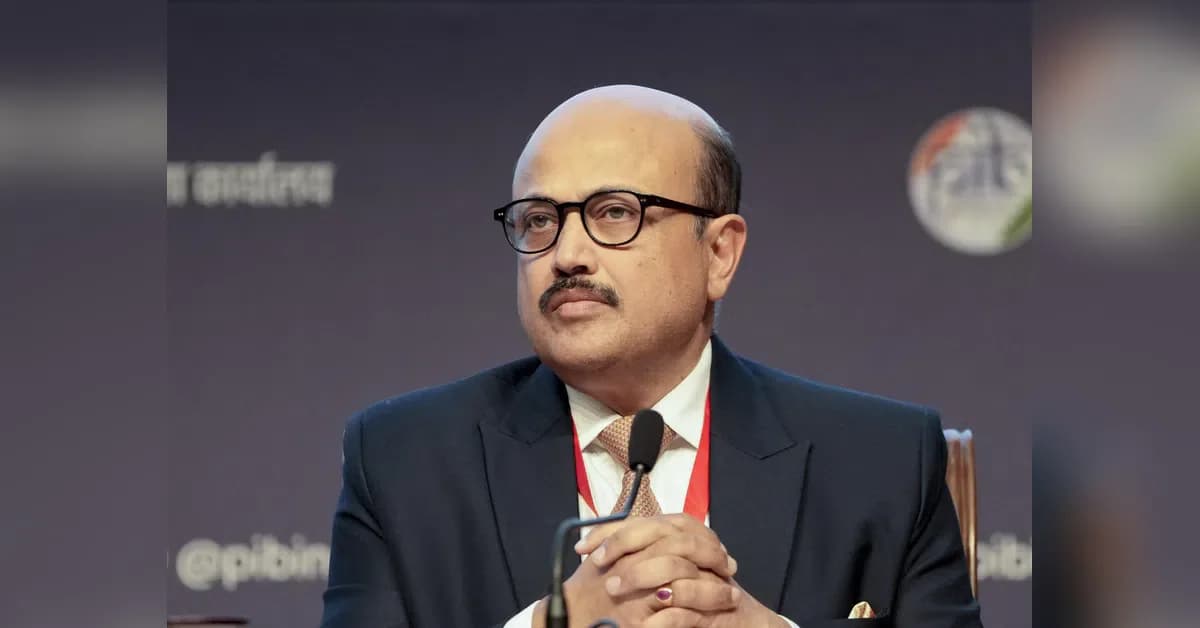
India's goods exports demonstrated exceptional performance in July 2026, rising 19.5% to $44.2 billion according to The Economic Times, marking the fastest pace of growth in over four years. This growth occurred despite a trade deficit of $32 billion, which while higher than previous months, was lower as a proportion of total trade compared to January or June levels. The merchandise exports growth was faster than imports, which grew 17.4% to $76.2 billion, indicating India's continued export competitiveness. Commerce Secretary Rajesh Agrawal noted that the strong performance was achieved through continued diversification of export destinations to countries like China, Singapore, Japan, South Korea, Taiwan, Vietnam, Austria, Malaysia, and several other markets.
The standout performer in July 2026 was oil products exports, which soared 67.6% to $6.9 billion according to The Economic Times. This surge was driven by strong demand from several Asian countries including Sri Lanka and Singapore, which have been grappling with fuel shortages until Indian refiners stepped in to ship fuel. Electronics exports also delivered impressive growth of 57% to $5.9 billion, while engineering goods increased 17.7% to $12.2 billion. These three sectors collectively accounted for nearly 57% of all Indian exports in July 2026. The strong performance was achieved through strategic routing of trade through different ports and shipping lines, with some new ports becoming more operational and starting to handle more cargo.
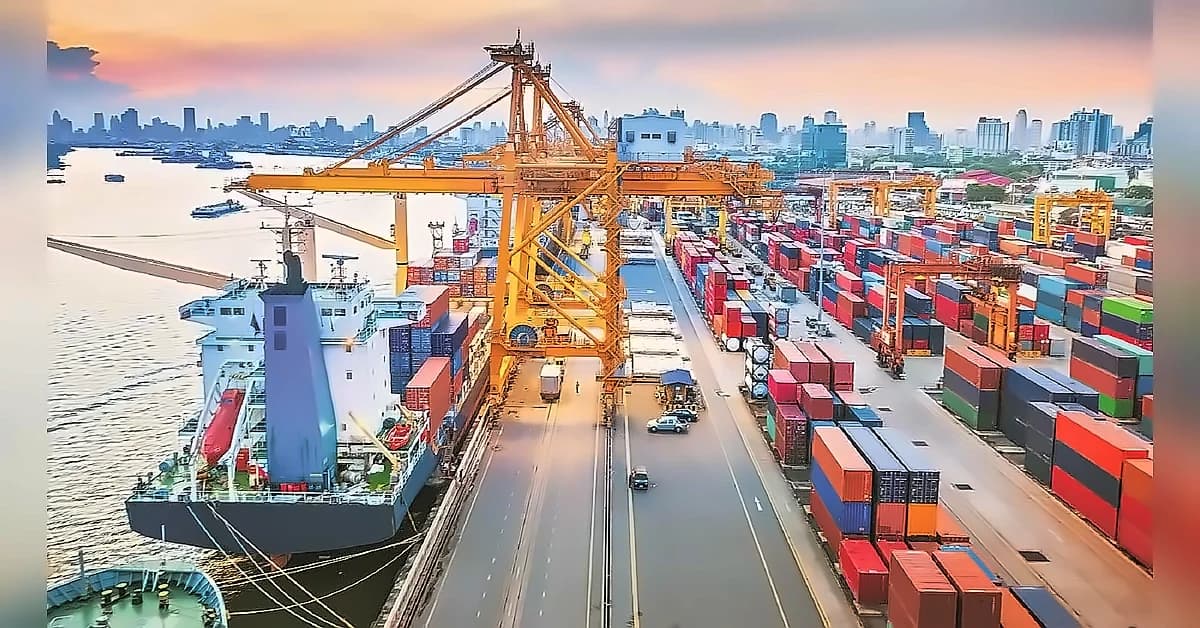
India's exports to the West Asian region have shown nearly 9% growth in July 2026, recovering from severe disruptions experienced earlier in the year. According to The Economic Times, exports to West Asia surged 8.62% to $5.7 billion in July 2026, compared to $5.2 billion in the same month last year, despite global uncertainties. The recovery was achieved through strategic routing of trade through different ports and shipping lines. Some new ports have become more operational and started handling more cargo, with Oman's ports outside the Strait of Hormuz performing exceptionally well and Oman imports jumping 150.36% to $1.57 billion. Indian exporters are using three ports (Duqm, Sohar and Salalah) in Oman, and the Port of Fujairah in the UAE to push exports to the region. The UAE's exports rose 10.15% to $3.3 billion, while Saudi Arabia shipments declined 2.73% to $763.7 million. The US-Iran conflict has impacted ship movements in international waters, particularly through the Strait of Hormuz, but trade has returned to earlier levels with this region. India normally exports goods worth about $6 billion every month to the West Asian region.
The services sector showed mixed performance with services exports growing 6.4% in July 2026 to $35.9 billion, in keeping with subdued export order growth sentiments expressed by service exporters surveyed in the HSBC India Services PMI report. However, services imports grew faster at 9.5% to $18.9 billion, resulting in a combined trade deficit including both merchandise and services widening to $15 billion in July 2026 from $11.4 billion in July last year. This deficit widening reflects the faster growth in services imports compared to services exports, highlighting the ongoing challenges in India's services trade balance. The data shows that services exports grew 6.4% in July 2026 to $35.9 billion, which is in keeping with the subdued export order growth sentiments expressed by service exporters surveyed in the HSBC India Services PMI report for the month.
India has strengthened its strategic trade partnerships through recent diplomatic initiatives, with India and the South Africa-led SACU group signing a roadmap for launching negotiations for a preferential trade agreement in goods on August 12, 2026. The five members of SACU include Botswana, Eswatini, Lesotho, Namibia and South Africa. Commerce Secretary Rajesh Agrawal explained that there are areas where India competes with SACU members, but there are sectors where both sides complement each other, describing it as a calibrated approach. India has finalised free trade agreements with countries including Australia, the UAE, the UK, the EU, the EFTA bloc and New Zealand in the last four years. During April-July of the current fiscal year, exports climbed 17.04% to $173.78 billion, while imports rose at a faster 19.27% to $292.38 billion, underlining a broader trend of import growth outpacing exports through the first third of the fiscal year. The widening trade deficit, despite robust export growth, signals that India's import bill, driven by energy, commodities and other inputs, is rising even faster.