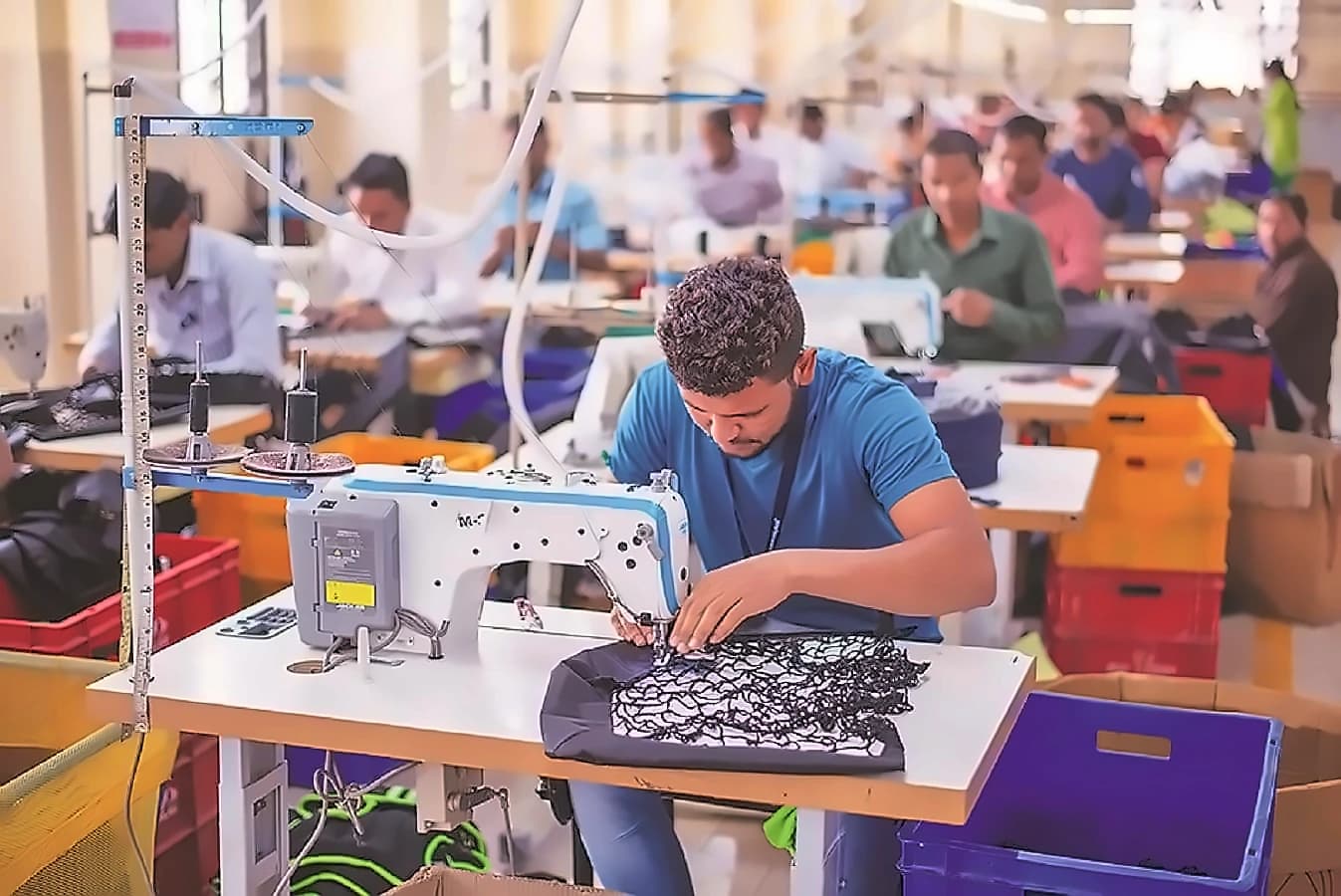
India's ongoing trade negotiations could significantly expand preferential trade agreements, increasing the share of merchandise exports covered from 27.4% to 74.5%. According to commerce department data, nearly three-fourths of India's annual merchandise exports could receive preferential market access if New Delhi concludes all the trade agreements currently under negotiation. The country has concluded eight trade agreements over the past six years and is currently negotiating more than 10 others, as it seeks to diversify trade and widen market access for domestic exporters. In the current financial year, India has implemented three free trade agreements with Oman, the United Kingdom, and New Zealand, covering exports worth $120.9 billion.
The India-European Union FTA represents a major deal in the negotiation pipeline, with implementation targeted for early 2027. As reported by commerce department data, India and the EU concluded negotiations in January and are aiming to sign the agreement in December. New Delhi is also negotiating a bilateral trade agreement with the US, alongside deals with several other partners including the Eurasian Economic Union, Mercosur, Qatar, Bangladesh, Peru, Canada, Chile, Israel, and the Maldives, as well as a proposed trade deal with the Gulf Cooperation Council comprising Saudi Arabia, Kuwait and Bahrain.
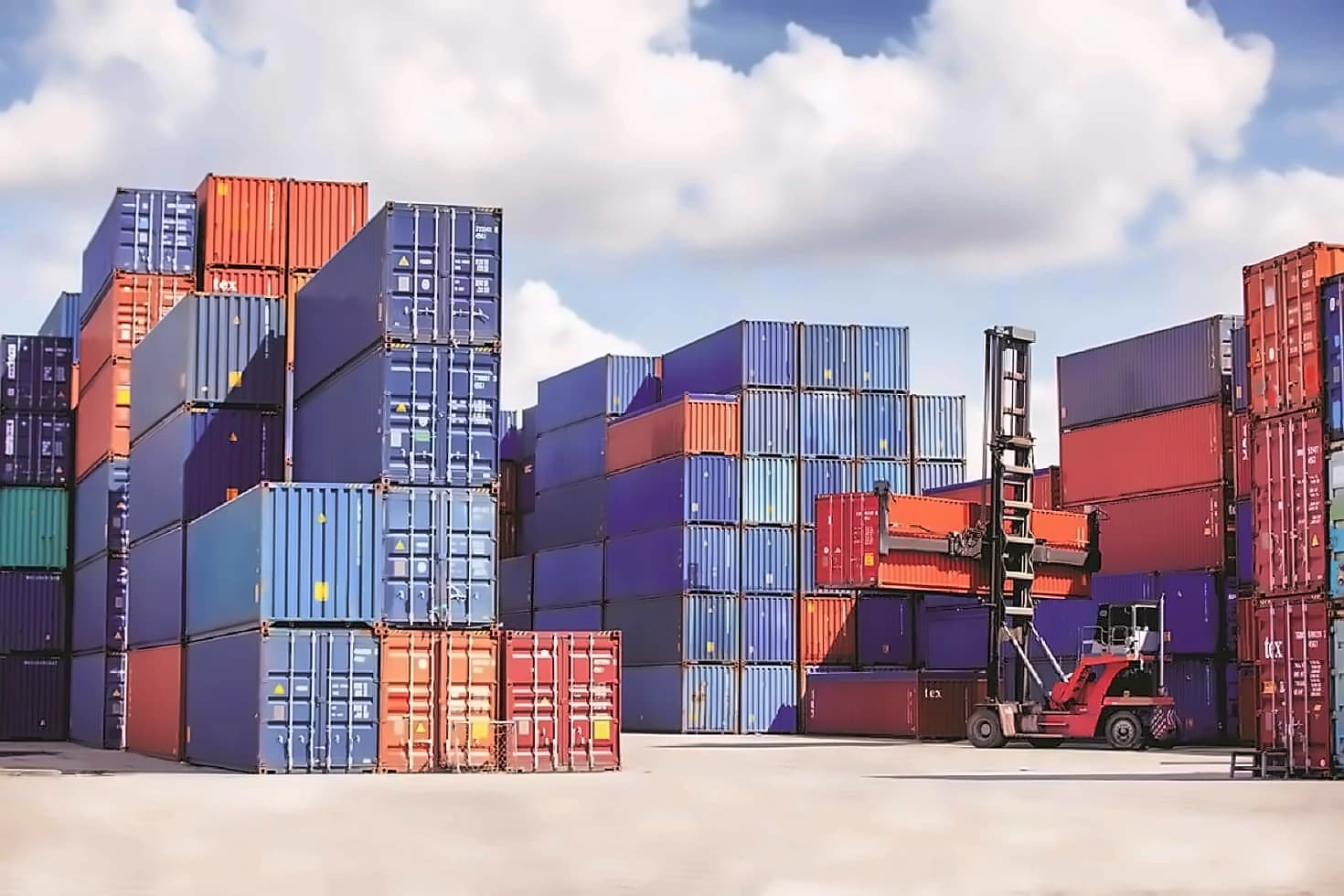
The FTA expansion would also significantly widen preferential access for imports, with existing FTAs currently covering 33.1% of India's imports. According to commerce department data, this share could rise to 67% if all ongoing negotiations conclude. Across both exports and imports, the share of trade covered by preferential arrangements could increase from 31% currently to 69.7%. The current agreements in force cover exports worth $120.9 billion, representing 27.4% of India's total merchandise exports of $441.5 billion in FY26.