India plans to double its exports to the European Union within three to four years as it works to ensure full utilisation of the proposed India-EU Free Trade Agreement. According to people familiar with the matter, the government is planning to cover all EU member countries through high-level delegation meetings and business-to-business engagements. India's exports to the EU stood at $72.39 billion in FY26, accounting for 16.40% of the country's total exports. The agreement is currently undergoing legal approval processes in the EU and could come into force by March 2027, with the government planning to step up engagement with individual EU nations through enhanced diplomatic and business interactions.
India has secured a 1.9 million tonne annual steel export quota from the European Union under the country-specific tariff-rate quota system. According to a commerce ministry official, the government expects exporters to secure an additional 0.9 million tonnes through residual quotas, bringing the total export capacity to 2.8 million tonnes. This allocation represents over 80 per cent of India's steel exports to the EU, with the country having exported approximately 3.8 million tonnes of steel worth $3.4 billion to the EU in 2025-26. The quota is based on the free trade agreement concluded in January, with implementation front-loaded and effective from July 1, even though the FTA is yet to be signed and enforced. Steel exports outside this quota will face a 50% tariff, according to government sources.
The Tariff-Rate Quota system operates under the European Union's Steel Overcapacity Regulation, which became effective on July 1, 2026. The regulation establishes free-of-duty quotas at 18.3 million tonnes, with a 50 per cent duty for out-of-quota imports and a melt-and-pour regime for enhanced transparency. Within the EU's TRQ for steel, there are two categories: country-specific quota and residual quota. Under the country-specific quota, India has secured steel shipments of 1.9 million tonnes, which includes 950,000 tonnes under the FTA partner quota and the rest under the most-favoured nation quota. Indian exporters can obtain authorisation under the residual quota on a first-come, first-served basis, with there being two sub-quotas under the residual quota as well: a residual quota for FTA partners and a residual quota for others.
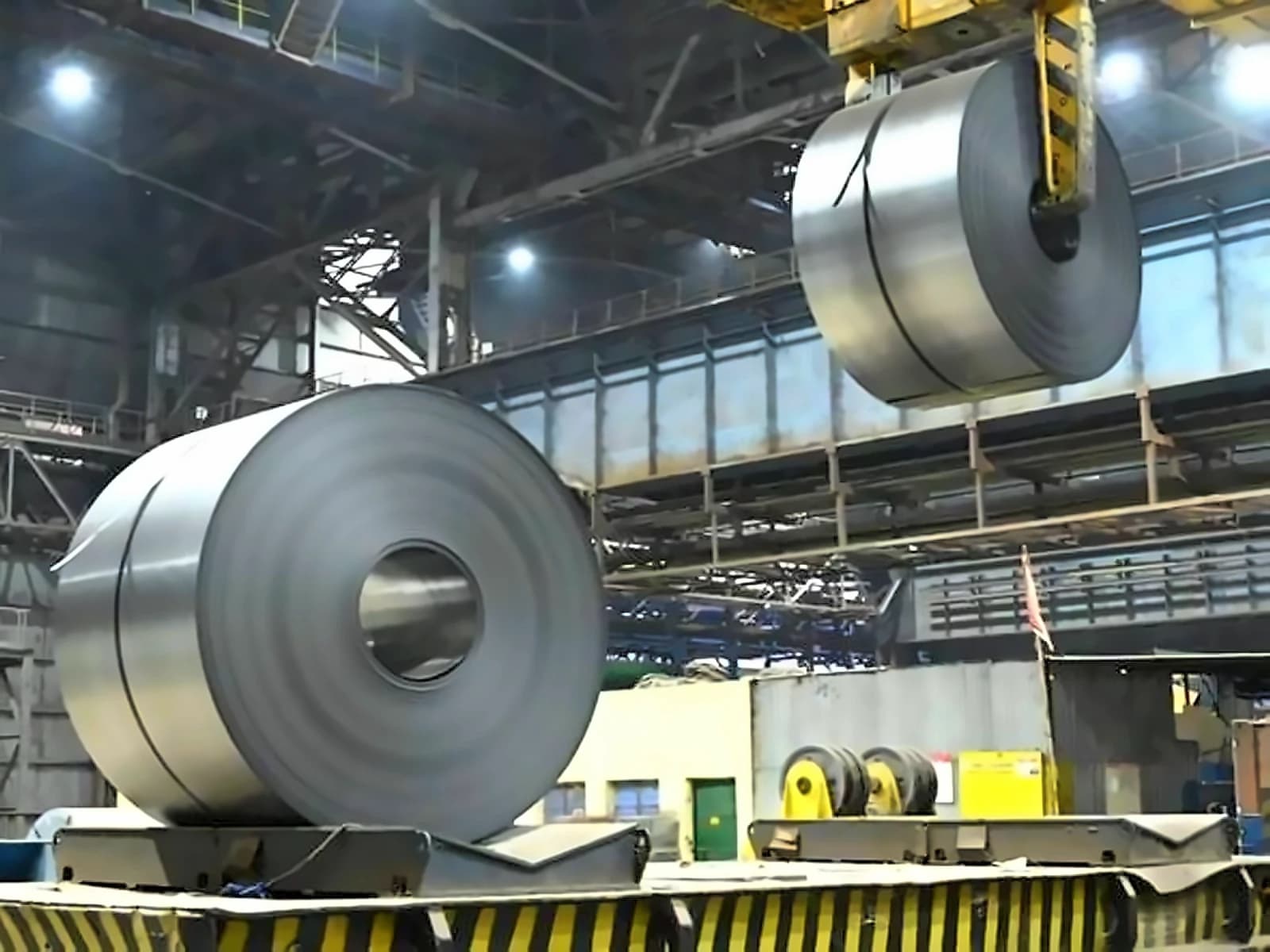
Despite duty-free access, Indian steel exports will face significant carbon-related costs under the EU's Carbon Border Adjustment Mechanism (CBAM). According to think tank GTRI estimates, the carbon charge could average about 35 per cent when fully phased in, affecting both quota-covered and non-quota steel shipments. All steel imports into the EU within the quota would be subject to the Carbon Border Adjustment Mechanism (CBAM). India has sought faster approval for six domestic verifier bodies as part of its efforts to address compliance requirements linked to the EU's carbon mechanism. The government is looking at at least 10 agencies, with six applications already submitted, and has asked for faster approvals to ensure exporters have sufficient domestic verification capacity to provide the emissions documentation required under CBAM, rather than depend on a limited pool of overseas agencies.
India and the EU announced the conclusion of negotiations for their comprehensive trade pact on January 27, 2026. The agreement is expected to be signed by the end of this year and is likely to be implemented next year. For product categories where India does not have a country-specific quota, it will have access to residual quotas, including general residual quotas open to eligible trading partners and preferential quotas reserved for EU FTA partners. The country-specific quota of 1.9 million tonnes is higher than the 1.64 million tonnes reflected in the text of the FTA released by the EU earlier this month, indicating India's successful negotiation efforts. Exporters will need to expand their capacity and meet the required standards to increase shipments to EU markets, with the government planning to ensure full utilisation of the market access provided under the FTA.