The India-US trade deal has reached a critical juncture with Commerce Secretary Rajesh Agrawal confirming it is 'more or less finalised' during the Global Fintech Summit in Mumbai. Speaking to reporters, Agrawal offered the clearest signal yet that Washington is building a tariff structure designed to give Indian exporters an edge over competing nations including Bangladesh, Vietnam, Indonesia and Malaysia. As per The Financial Express, Agrawal explained that 'there is a requirement that any deal has to give you certain kind of preferential access on each other's part', with India's position on the Most Favoured Nation (MFN) tariff system making this relatively straightforward from New Delhi's end. The US, by contrast, operates on executive tariffs, meaning Washington is 'building an architecture which will create those differentials and create a preferential market access' for Indian exporters.
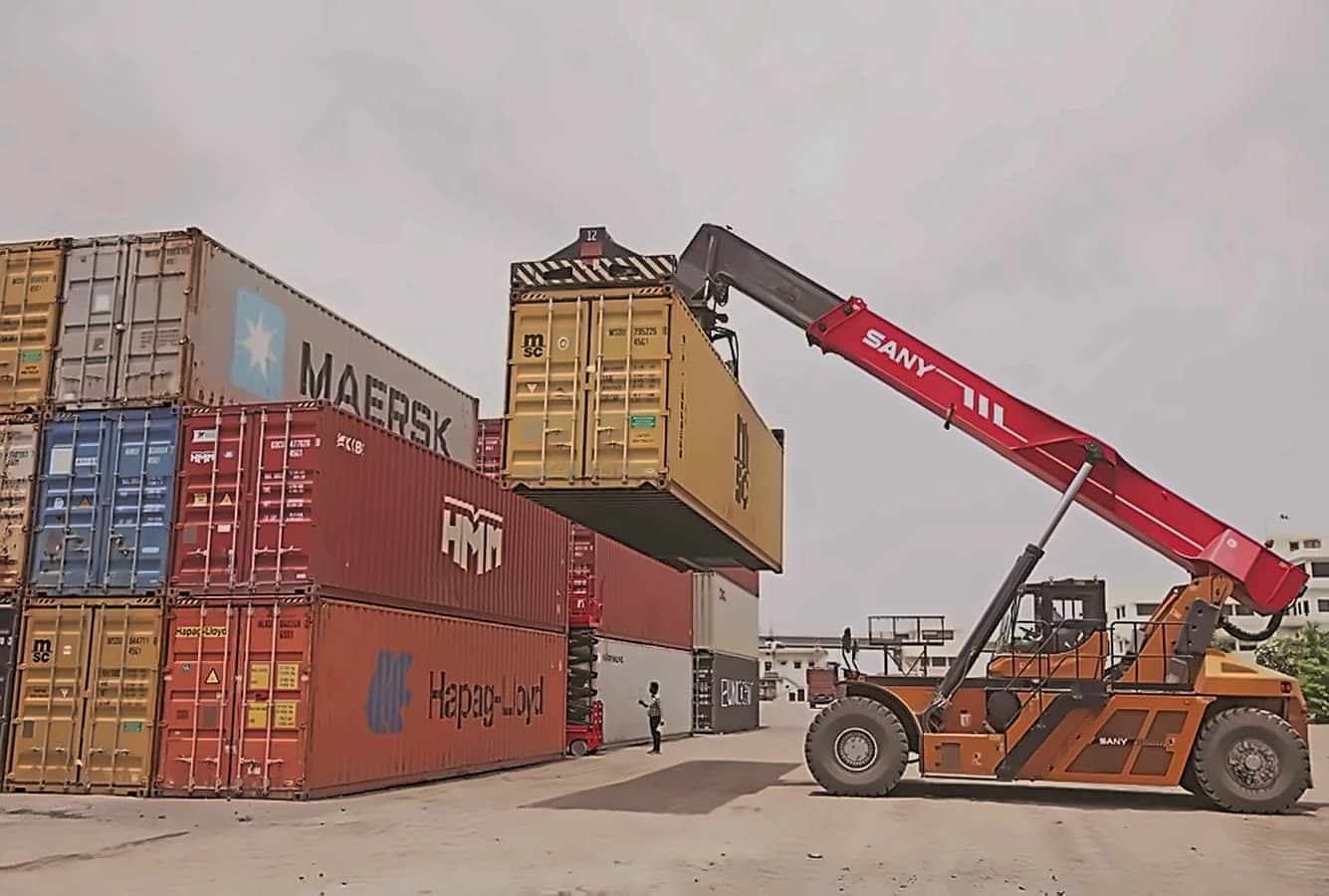
India's export performance has demonstrated resilience despite freight cost challenges, with exports growing by 3% to $34.4 billion between April and July of the current financial year, according to Agrawal. The first objective is to see that exporters have enough access to ships and containers so that their cargoes are not stuck, while the second objective is to ensure that freight costs remain competitive and cargo transit times are kept to a minimum. Agrawal acknowledged that all countries are facing this issue and these costs are being passed on to buyers, emphasizing the government's focus on ensuring adequate access to shipping infrastructure. India's total exports stood at $863 billion in 2025-26, with services contributing $421 billion, highlighting the critical importance of diversifying beyond traditional sectors.
India's services exports have been expanding at 8-10% annually, a pace that could see the sector overtake goods exports in due course, according to Agrawal. The sector faces significant concentration risks, with IT/ITeS-based services accounting for about 50% and professional services contributing another 30% of total services exports. Agrawal emphasised that diversification beyond these two pillars is essential for sustainable long-term growth. The global financial services market represents a $670 billion opportunity, where India currently holds only $8 billion, representing just over 1% of global trade. Fintech companies are positioned to lead this diversification, with 95% of India's $8 billion in financial services exports being digitally delivered. The Commerce Secretary highlighted that India could significantly expand its fintech services globally, particularly across countries in the Global South, by building on its experience in digital payments, lending, insurance and trade finance.
India's fintech sector presents significant global expansion potential, particularly in the Global South, leveraging the country's digital payment infrastructure experience. Agrawal pointed to the scale of untapped opportunities, noting that global financial services trade now exceeds $670 billion, yet India's share amounts to only around $8 billion, roughly 1.2-1.3% of the global total. The cross-border payments market is currently valued at $180-190 billion and projected to reach $360 billion by 2032, while the cards and payments market is worth around $1 trillion today and expected to grow to $1.5 trillion by 2028-29, both sectors expanding at 9-10% annually. Agrawal cited India's experience in building fintech infrastructure at population scale as giving it a distinctive advantage as it looks to extend these services internationally.
India is advancing multiple trade negotiations simultaneously, with the India-US trade deal framework for preferential market access being worked out before signing at an appropriate time. Commerce and Industry Minister Piyush Goyal is travelling to the US in late September for the G-20 Trade Ministerial in Milwaukee, where he is expected to hold bilateral talks with US Trade Representative Jamieson Greer on outstanding elements of the pact. The emerging US framework rests on tariffs imposed under Section 301 of the Trade Act and Section 232 of the Trade Expansion Act, following a US Supreme Court ruling that struck down the reciprocal tariffs which had previously varied by trading partner. India has signed nine trade agreements over the past five years covering economies with a combined GDP of $60 trillion, while 23 countries have signed MoUs with India for cooperation on digital public infrastructure development.