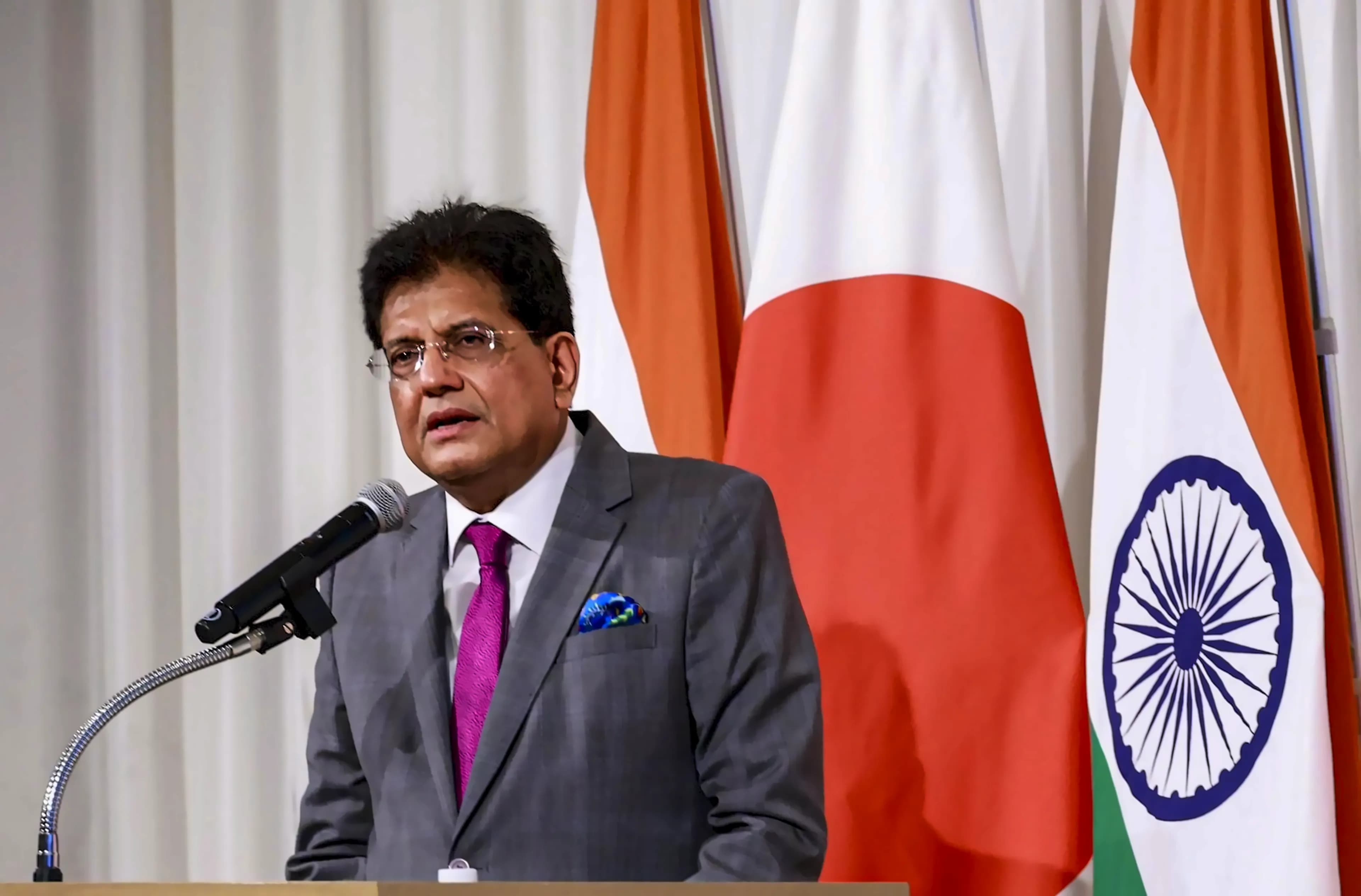
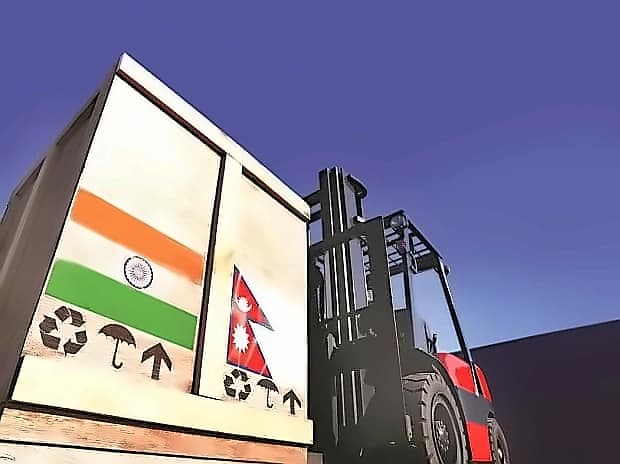
India and New Zealand are closing in on putting their Free Trade Agreement into effect, with the pact expected to come into force within the next month once both sides complete the formal exchange of notes. New Zealand has already completed its part of the process, with the implementing legislation receiving Royal assent, while India is working to complete its domestic procedures. According to ANI, the agreement could serve as a 'beacon' for global trade by showing the value of stable and predictable trade rules at a time of tariff uncertainty and shifting economic conditions. The India-New Zealand FTA was signed in New Delhi on April 27, 2026, following nine months of negotiations after years of discussions.
Under the new agreement, tariffs on approximately 95% of New Zealand exports to India will be eliminated or significantly reduced, with the agreement providing duty-free access for 100% of Indian exports to New Zealand from the date of entry into force. As reported by Reuters, more than half of all products covered will become duty-free from the day the agreement takes effect. 'On day one, every single thing India wants to sell to New Zealand will be at a zero-tariff rate,' said Trade and Investment Minister Todd McClay. The agreement provides duty-free access to New Zealand for all Indian goods, creating a balanced trade framework that benefits both nations' exporters. According to McClay, the kiwifruit industry alone expects to save around $125 million in tariffs over five years. The deal will open new opportunities for Indian exports including textiles and apparel, leather and footwear, engineering goods, pharmaceuticals, agriculture and processed food products, while providing enhanced and preferential access to the Indian market for New Zealand exports including wood, wool, sheep meat and leather raw hides.
The trade agreement provides substantial benefits for both nations through enhanced market access and preferential treatment, with the rollout of the India-New Zealand FTA likely to begin in October 2026. The FTA will provide Indian exporters with zero-tariff access to the New Zealand market from the first day of implementation, creating opportunities across pharmaceuticals, chemicals, machinery and services. New Zealand businesses are expected to gain improved access to India's large consumer market, particularly in food, services, machinery and investment. The agreement facilitates USD 20 billion in investment into India and strengthens bilateral cooperation in key sectors including agricultural productivity, pharmaceuticals and medical devices, traditional medicine and AYUSH, technology and trade facilitation. According to The Times of India, the FTA includes faster border clearance and preferential access to India's fast-growing middle class, which McClay noted is demanding high-quality food, fibre, technology, education, tourism and professional services. The agreement is 'future-proofed' through most-favoured-nation commitments for New Zealand's wine and key services sectors, providing long-term protection for New Zealand's key export industries.
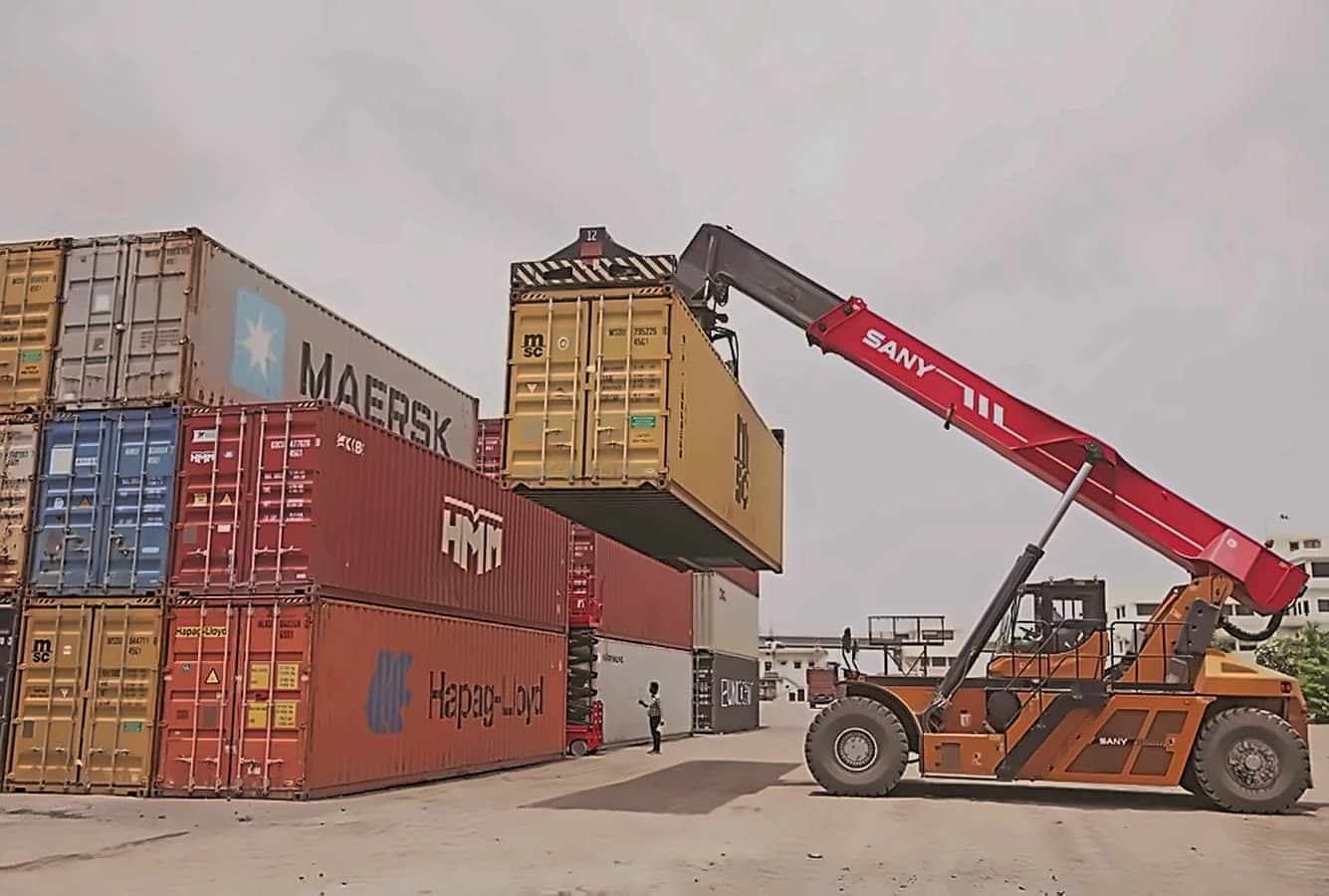
The comprehensive trade agreement aims to significantly boost bilateral trade volumes, with current bilateral trade worth around 4 billion New Zealand dollars targeted to reach 7 billion New Zealand dollars by 2030. As reported by ANI, the pact is expected to strengthen wider people-to-people links, including tourism, business travel and education. McClay noted that the agreement reflects growing confidence between the two countries and could provide businesses with greater certainty while supporting trade, investment and employment opportunities in both economies. The agreement aims to boost trade, investment, travel and education, with the minister emphasizing that 'I think we can attract students who'll come, get a good education, and they'll take those skills and some of the experience they get in New Zealand back to India as that economy continues to grow.'