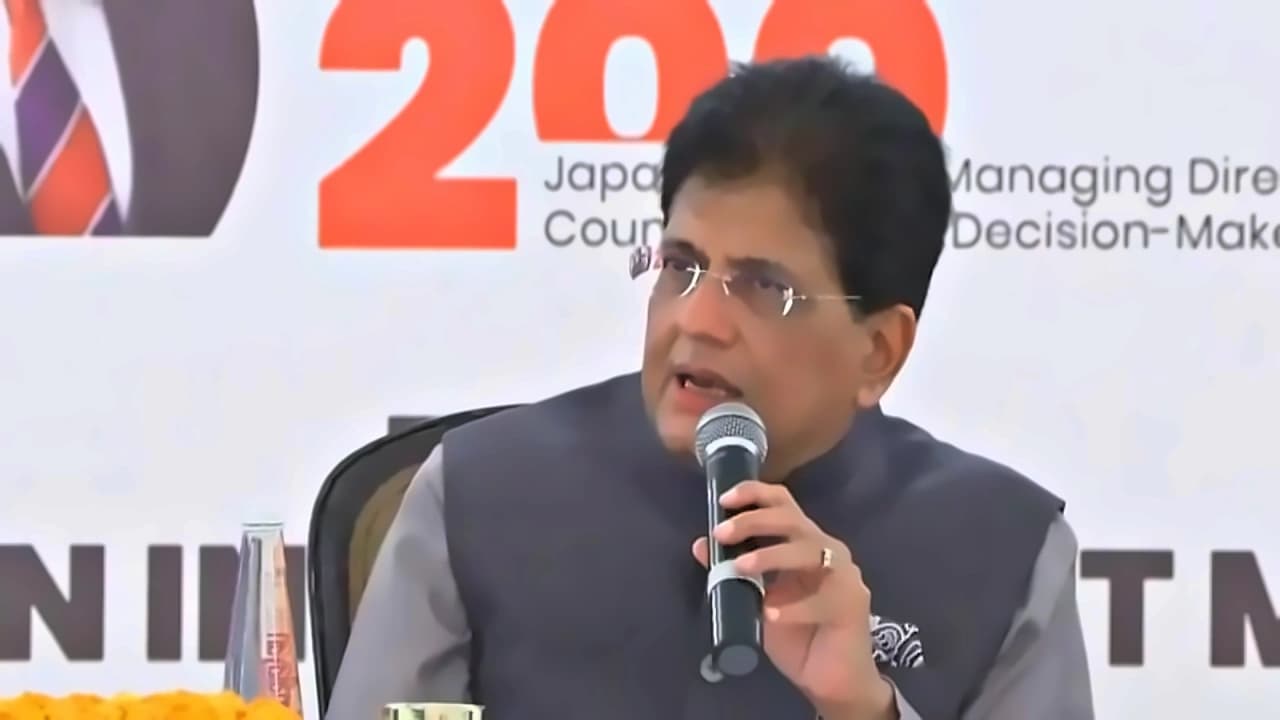
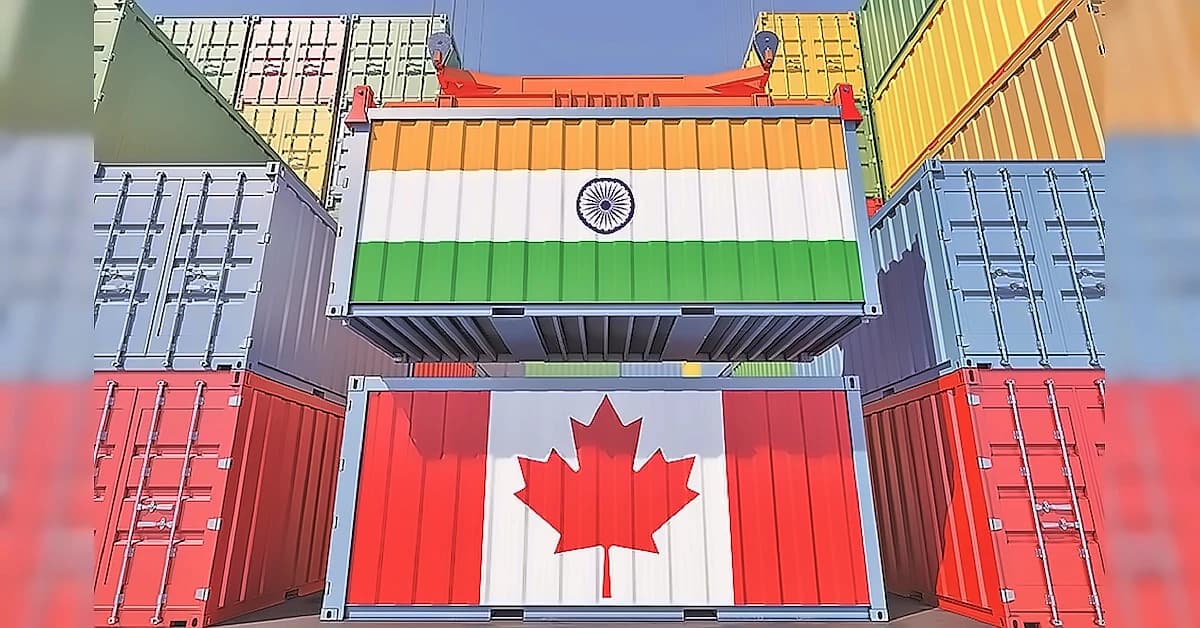
Commerce and Industry Minister Piyush Goyal announced that India is in negotiations with at least 8-9 more groups of countries and individual nations that together account for another USD 15 trillion of GDP. Speaking at a business event, Goyal emphasized that the country's free trade agreements would eventually cover about 75% of global trade and help position India as a trusted partner in global value chains. According to Business Standard, India has already signed nine free trade agreements in the last four years, covering economies with a combined GDP of USD 60 trillion and 38 developed countries. These earlier trade pacts with countries including Japan, Korea, and the ASEAN region have opened another $10 trillion of GDP to India's market access.
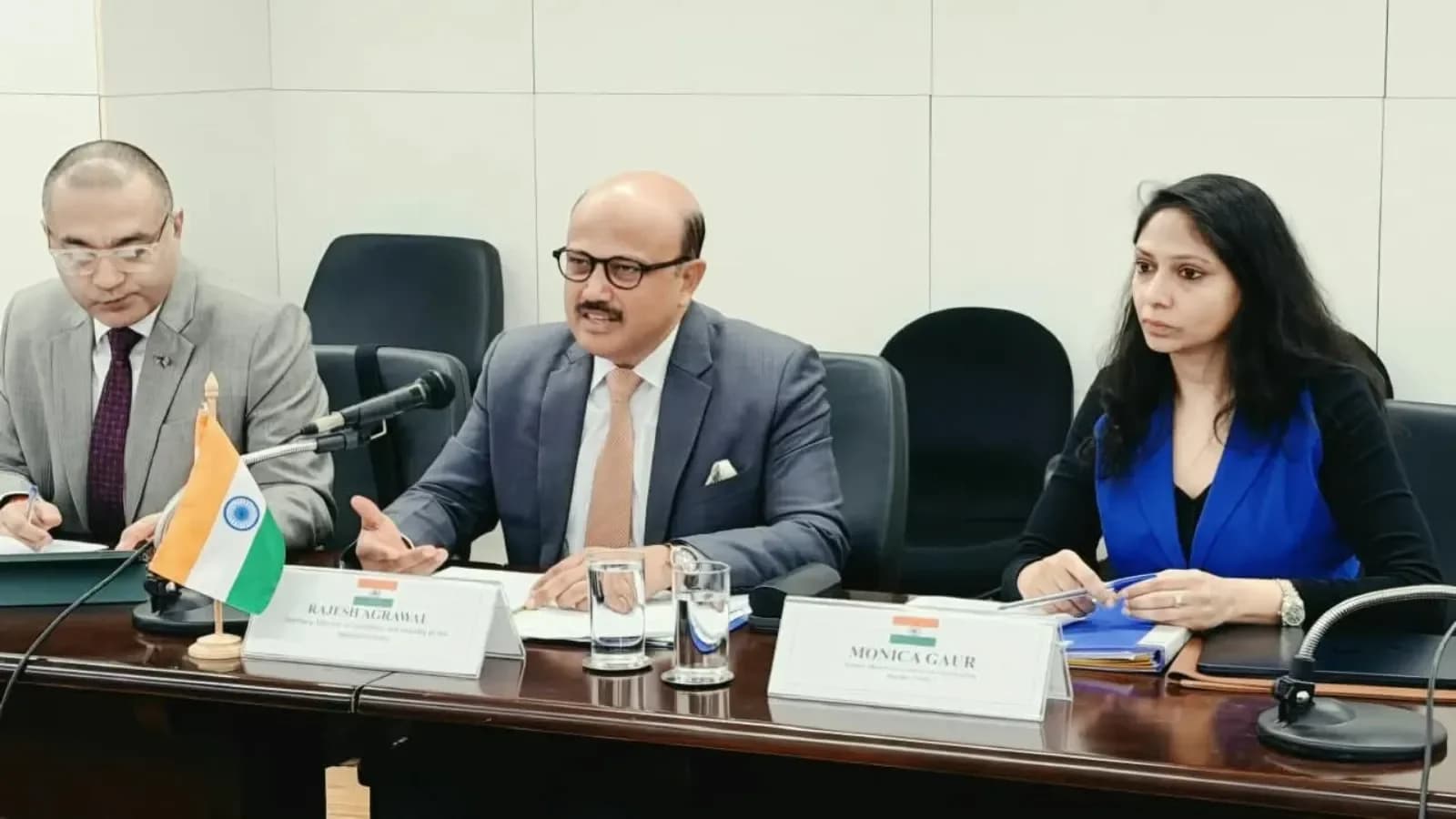
Commerce Secretary Rajesh Agrawal is leading a strategic visit to South America from August 24 to 28 to finalize India's comprehensive trade agreement with Chile. The visit comes as both sides are looking to find solutions to the pending issues and there are only a few issues that need to be resolved. As per The Times of India, the new government in Chile is keen on the agreement, with officials stating that "we are trying to move forward" on the negotiations. India and Chile had previously signed a preferential trade agreement (PTA) in 2007 and are now seeking to enhance these ties through a comprehensive trade treaty. The visit coincides with engagements with Argentina and Brazil, also scheduled for later this week, as part of India's broader strategy to step up trade with the region.
Commerce Secretary Rajesh Agrawal is leading a strategic visit to South America from August 24 to 28 to accelerate India's trade diversification efforts amid global turbulence. The visit focuses on Chile, Argentina, and Brazil, which present significant export opportunities and are expected to strengthen trade ties during the secretary's meetings. According to official sources, Agrawal will chair joint trade committees in Brazil and Argentina and travel to Chile to advance negotiations on a proposed free trade agreement. The visit comes as India enhances its focus on South America as part of its broader trade diversification strategy to reduce dependence on any single market. Latin America accounts for less than 3.5% of India's exports, which added up to $4.4 billion during the June quarter, highlighting the region's potential for growth.
During the South America visit, ways to expand the preferential trade agreement between India and the South American nation bloc Mercosur may figure prominently in discussions. The India-Mercosur PTA came into effect on June 1, 2009, but this PTA has limited coverage and contains only 450 tariff lines or products. Both sides are looking at expanding the scope of this pact, with both sides keen to engage MERCOSUR countries on an expanded PTA, while the terms of reference for launching negotiations are still being discussed. The MERCOSUR bloc comprises Brazil, Argentina, Paraguay, Uruguay and Bolivia. Argentina and Brazil are significant markets with a decent population of Indian diaspora, and these countries are also looking at reducing dependence on China, making them attractive partners for India's diversification strategy. However, talks are expected to focus more on bilateral issues rather than Mercosur expansion during this visit.
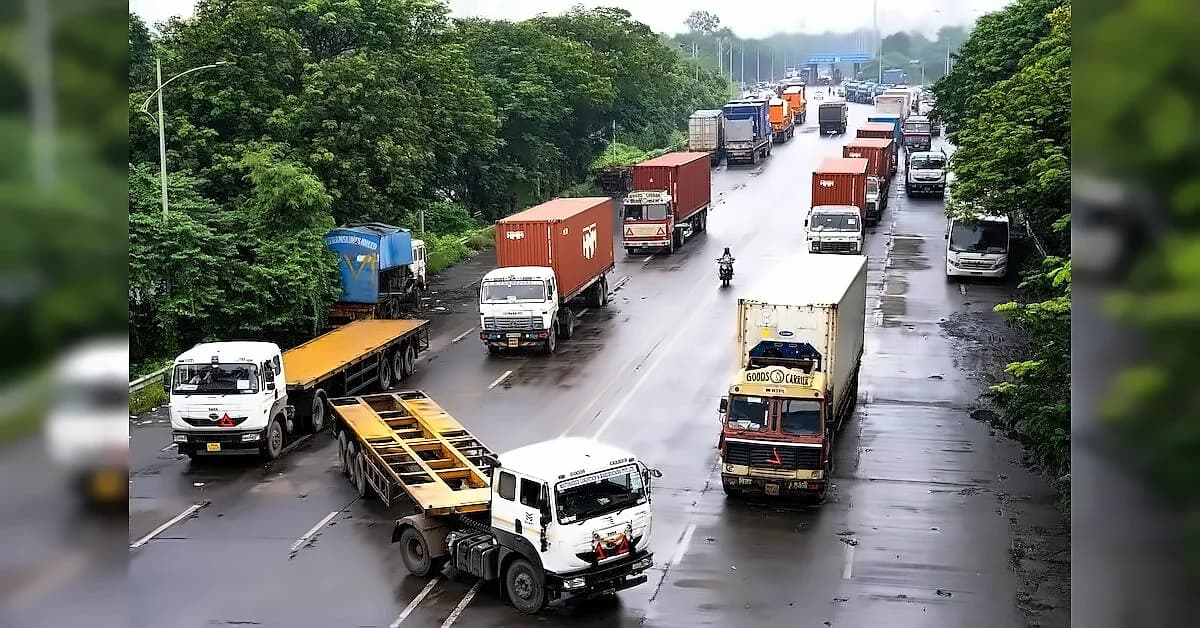
Latest bilateral trade data shows strong growth across India's South American relationships. India-Argentina bilateral trade in 2025-26 rose 25.5% to $5.96 billion (India's exports $1.01 billion and imports $4.95 billion) from $4.75 billion. India-Brazil bilateral trade increased 23.48% to $15 billion (India's exports $7 billion and imports $8 billion) from $12.2 billion. India-Chile bilateral trade jumped 66.45% to $6.25 billion (India's exports $1.22 billion and imports $5.03 billion) from $3.75 billion. The sugar trade dispute at the World Trade Organisation may also come up in India-Brazil deliberations, related to India's domestic support to sugarcane producers and alleged export subsidies for sugar. The upcoming visit is therefore expected to advance market-access negotiations, critical-mineral cooperation and wider trade integration with the region.
The government has urged industry to actively utilize free trade agreements to boost manufacturing and strengthen India's position in global trade. Additional Secretary Yashvir Singh emphasized that "all the trade agreements which India has signed is a door, but doors, however magnificently crafted, do not open themselves. It is the industry that must walk through them." He called for five strategic imperatives: investing in FTA utilization, understanding rules of origin requirements, mapping supply chains to qualify for preferential tariffs, moving up the value chain, and engaging on standards. Singh noted that the share of capital goods in India's export basket has already risen from 13% in 2014 to 19% today, but that trajectory must be accelerated. He also highlighted the need to build supply chain resilience as China's concentration in upstream materials poses risks for the world.