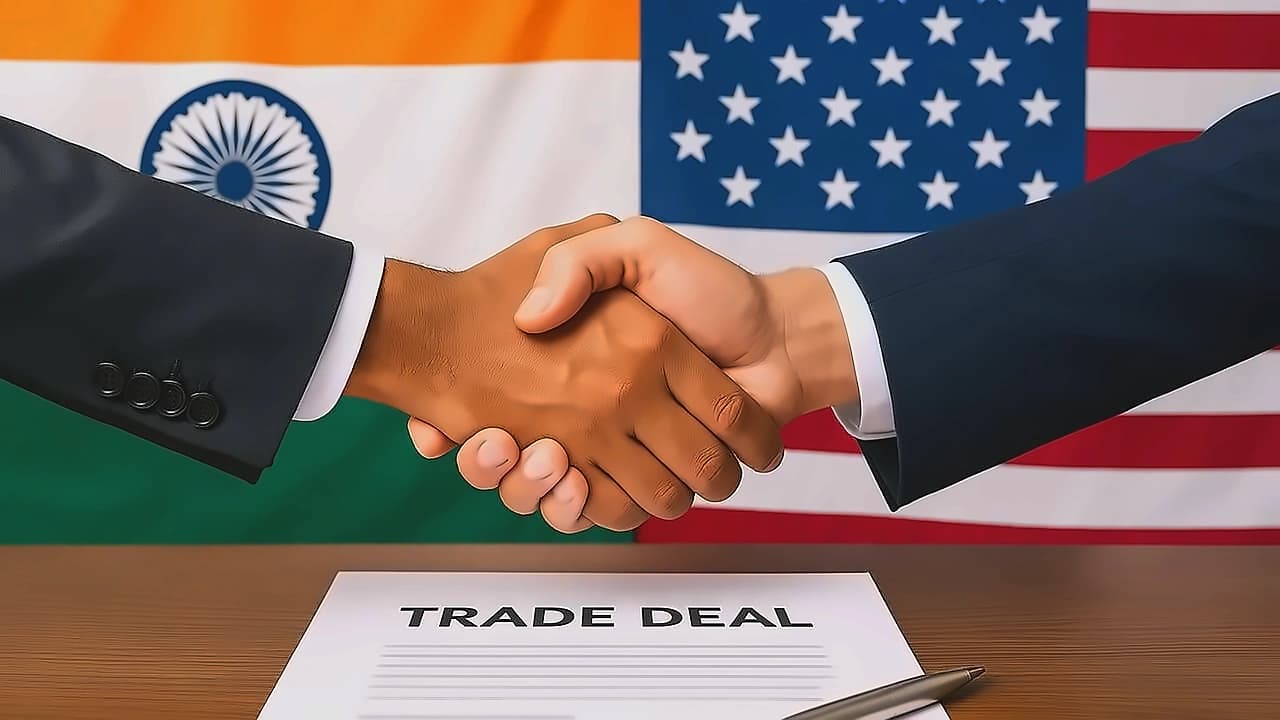
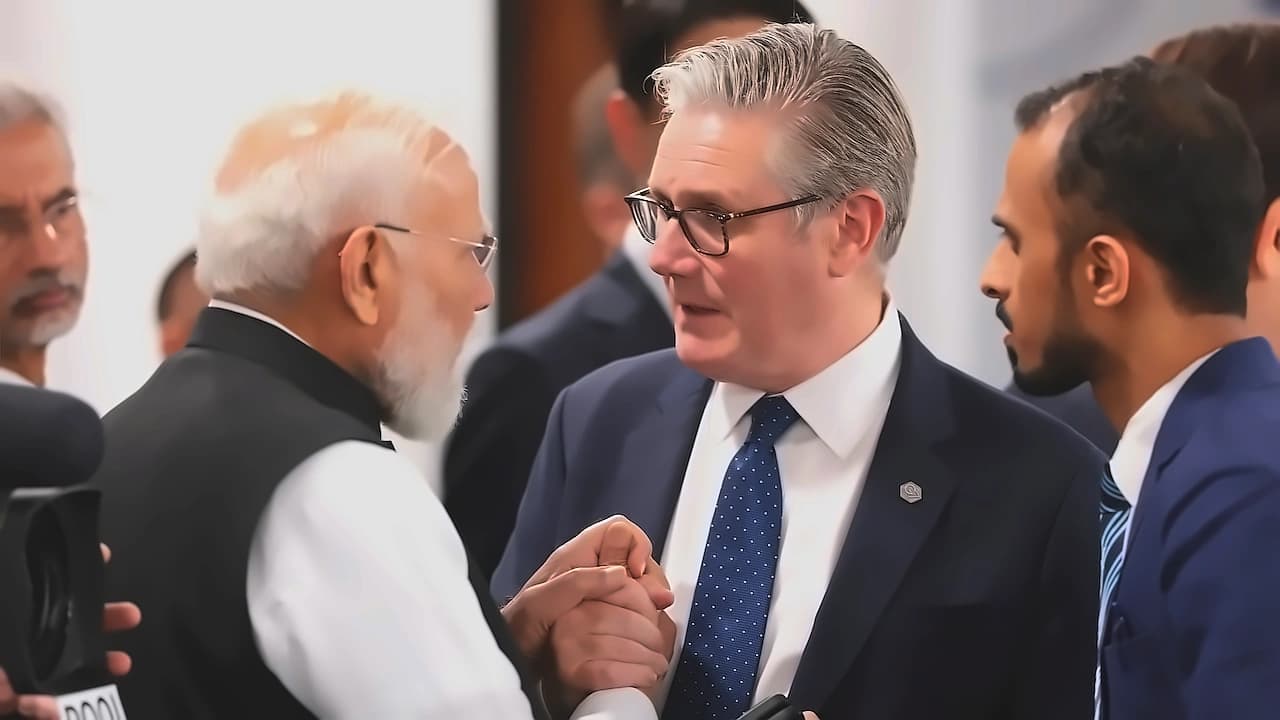
Union Commerce Minister Piyush Goyal has confirmed that the first tranche of India-US trade deal will be signed by mid-July. According to reports from The Hindu, Goyal made this announcement during a briefing on Friday (June 5, 2026) in New Delhi. The timeline represents a significant milestone in the ongoing negotiations between the two economic powerhouses. "We had excellent discussions from the 2nd to the 4th of this month," Goyal said. "We had a full team of officials from different divisions of trade from the USA in Delhi. I also met with them yesterday, and we are fast-moving towards closing all the open ends, and I think by sometime by the middle of next month or so we should be in a position to execute a very, very vibrant first tranche." The minister emphasized that "it is only the first tranche of our bilateral trade agreement, which will give preferential access to India over our competitors."
India has made clear that it will only operationalize the trade deal once it secures a competitive advantage over rival economies. According to Business Standard, "I can finalise the deal even today, but I will operationalise it only once I am sure all my competitors are paying more than me," an official stated. The official emphasized that "The 10 per cent will lapse on 24 July. So, if they want us to pay any additional tariff, they have to finish the Section 301 process, and they have to give us a better comparative advantage over competitors." The US is likely to impose a lower tariff on India under Section 301 of the US Trade Act of 1974, though the tariff proposal will not take effect immediately as Washington has invited public comments on the proposed tariff action until July 6. New Delhi has also sought assurances from Washington that there would not be any further probes against India under Section 301, as reported by Business Standard.
The India-US Bilateral Trade Agreement delivers significant market access benefits for Indian exporters. According to NDTV Profit, India gains preferential market access to the US market, valued at over ₹2,850 lakh crore, representing the world's largest economy with a GDP equivalent to this amount. Amitabh Kumar, Additional Secretary at the Directorate General of Trade Remedies, confirmed that Indian farm products will now be able to enter the US market at zero tariff, marking a significant breakthrough for one of India's largest export categories. The deal is expected to generate fresh employment in labour-intensive domestic sectors such as textiles and leather, while also opening opportunities in high-growth digital and advanced technology sectors for India's young workforce. The agreement represents a comprehensive framework that addresses both traditional trade sectors and emerging technology sectors, positioning India favorably in the global trade landscape.
As reported by The Hindu, US officials were in New Delhi between June 2 and June 4 to advance discussions and work towards finalizing the agreement. During their visit, they held detailed talks with their Indian counterparts. "India and the U.S. are making rapid progress towards resolving the remaining issues in their proposed interim trade arrangement, with both countries expected to implement the first phase of the agreement by the middle of next month," Goyal confirmed. The minister further stated that another senior-level delegation is likely to visit India towards the end of this month, to continue engagement on the trade discussions. The team is likely to be led by U.S. Trade Representative (USTR) Jamiesh Greer. According to the Commerce Ministry, during this week's talks in the national capital, the two teams held constructive and positive discussions across a wide range of issues, covering trade in goods, non-tariff measures, customs and trade facilitation, economic security alignment and other areas of mutual interest. The discussions were led by U.S. chief negotiator Brendan Lynch and India's chief negotiator Darpan Jain, who is an additional secretary in the Department of Commerce.
Earlier this week, the US Trade Representative (USTR) proposed a 12.5% tariff on imports from 54 countries, including India and China. The proposal is based on allegations that these countries have not adequately prevented the import of goods produced using forced labour. According to The Hindu, the USTR is scheduled to hold hearings on July 7 on the proposed tariff measure. The measure remains a proposal and has not yet been finalised, with the USTR stating that interested parties can submit requests to appear at hearings and summaries of testimony by June 22. The tariff proposal follows an investigation against India and several other economies under Section 301 of the US Trade Act of 1974, which allows Washington to probe and act against trade practices that it deems harmful to US commerce. In March, the U.S. Trade Representative (USTR) launched two unilateral Section 301 investigations against a number of countries, including India, over excess capacity and failures to eradicate forced labour in global supply chains. The U.S. was the second-largest trading partner of India in 2025-26, with India's outbound shipments to the U.S. growing marginally by 0.92% to $87.3 billion during the last fiscal year, while imports increased 15.95% to $52.9 billion. The trade surplus declined to $34.4 billion in 2025-26 from $40.89 billion in 2024-25.