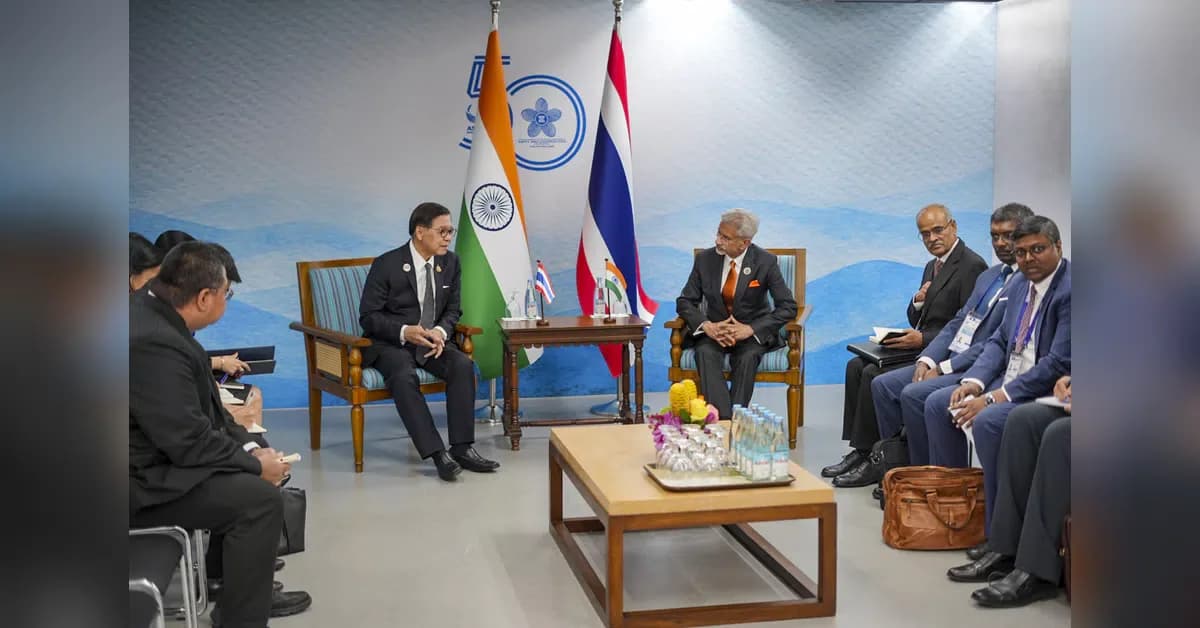
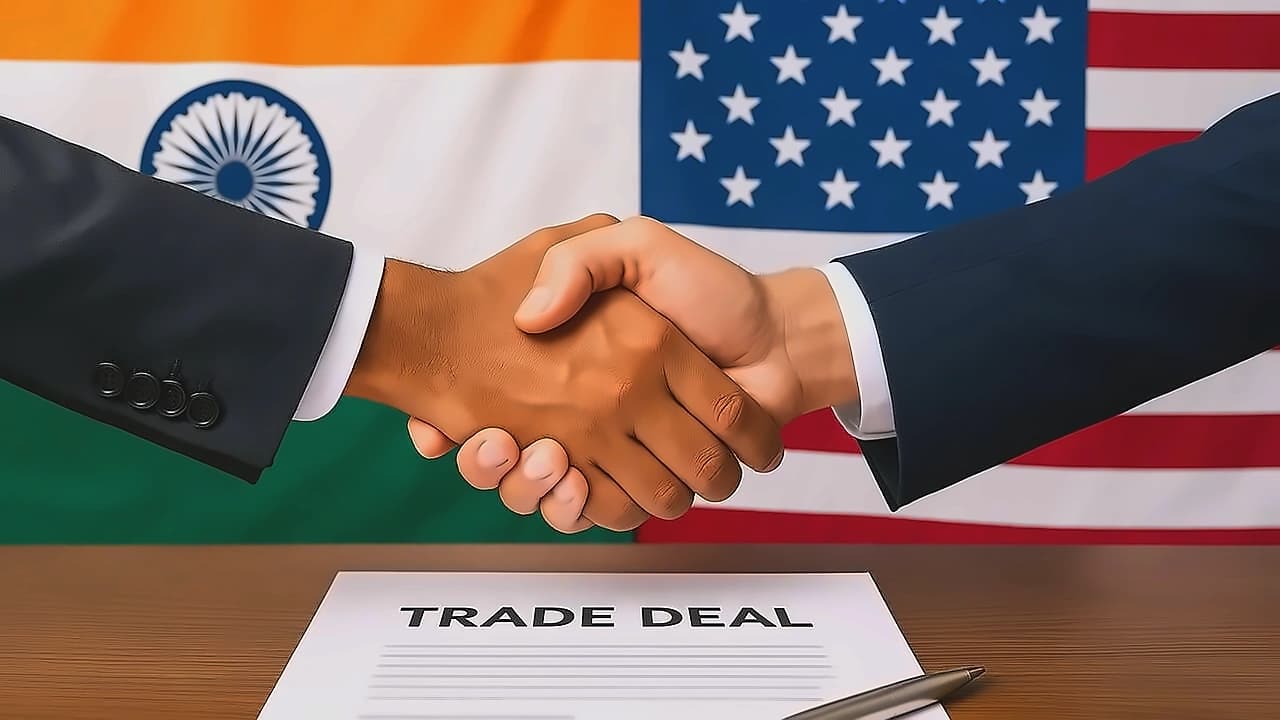
A long-awaited India-US trade agreement could be signed within the next three to four months, with negotiations between the two countries now virtually complete, according to a senior US official speaking on Wednesday. As reported by Reuters on the sidelines of the ASEAN Foreign Ministers' meeting in Manila, the official told Reuters on condition of anonymity that 'the deal... is there. We literally have the paper'. The official emphasized that the remaining delay is procedural rather than the result of differences between the two countries, with the text of the agreement effectively finalized. When asked directly about the timeline, the official replied: 'Maybe another three, four months'. This timeline aligns with recent statements from US Ambassador to India Sergio Gor, who last month stated that the India-US trade deal is in the final phase, with most of the deal complete and only a few items remaining on both sides.
The key obstacle to signing the agreement is Washington's completion of its ongoing Section 301 trade investigations, which examine alleged unfair trade practices and empower the US government to impose tariffs or other retaliatory measures. According to Reuters, one of the Section 301 investigations, covering around 60 countries, is expected to conclude this week or next. The official stated that once these investigations are completed, 'we'll start seeing progress, not just in India but in other places'. The official stressed that the bilateral trade agreement itself is nearly complete and that the remaining delay is procedural rather than substantive. Washington and New Delhi have been negotiating a bilateral trade agreement to expand market access and lower trade barriers as part of efforts to deepen economic ties.
The optimistic timeline received significant diplomatic reinforcement as External Affairs Minister S Jaishankar met with US Secretary of State Marco Rubio in Manila on Wednesday to discuss priority areas, including trade, tariffs, energy, defence, critical minerals, and artificial intelligence. As reported by PTI, Jaishankar and Rubio were also understood to have exchanged views on the West Asia crisis and its broader impact on global energy supplies and market stability. Both diplomats were in the Philippine capital to participate in high-level discussions under the framework of the Association of Southeast Asian Nations (ASEAN) and the Quad grouping. 'Our meeting focused on areas which are priority for the India-US Comprehensive Global Strategic Partnership, including trade and tariffs, energy, defence and security, critical minerals and artificial intelligence,' Jaishankar said on social media. 'We also exchanged quick perspectives on regional, global and multilateral issues of mutual interest.'
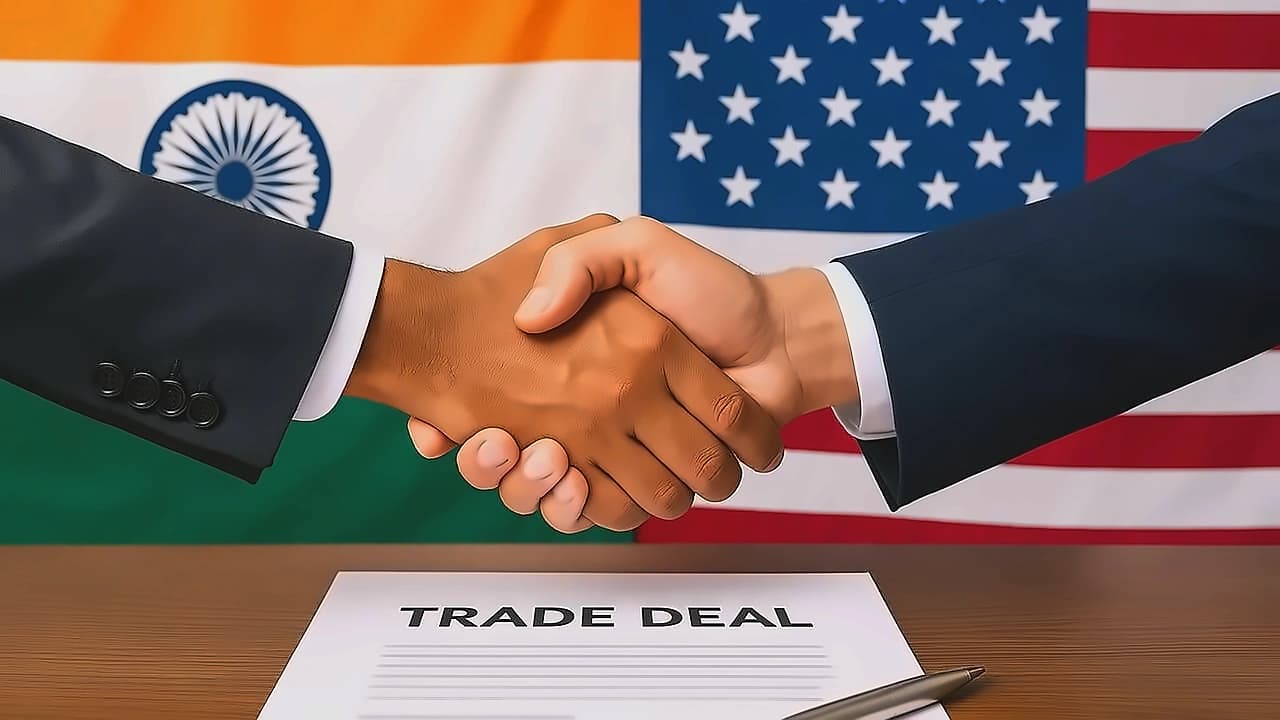
The comments come amid ongoing trade tensions over separate US tariff measures, with Washington proposing new tariffs of up to 12.5% on dozens of countries, including India, over allegations of failing to curb trade in goods produced using forced labour. As reported by Reuters, US President Donald Trump announced on Tuesday that generic medicines imported into the United States will remain exempt from tariffs for two years beginning August 1, after which such imports would face tariffs of 100% for one year and 200% thereafter. The move could significantly affect India's pharmaceutical sector, as the United States accounted for nearly ₹81,000 crore ($9.7 billion), or about 38%, of India's total pharmaceutical exports worth ₹2,26,000 crore ($25.8 billion) in 2025. India is the most exposed among generic drug exporters in this sector. The announcement has already impacted Indian pharmaceutical stocks, with shares of Sun Pharma, Cipla and Dr Reddy's among the top losers on the Nifty 50 as Trump's announcement raised concerns over long-term impact on Indian drugmakers with significant US market exposure.