UN Secretary-General António Guterres has announced a comprehensive proposal to address maritime security challenges, including a proposed mechanism for facilitating fertilizer and raw material transit through the Strait of Hormuz. As reported by UNI, the mechanism has been developed by a UN task force established in March and led by the UN Office for Project Services, involving UNCTAD, the International Maritime Organization and the International Chamber of Commerce. The proposed arrangement would provide registration and verification of ships and a deconfliction mechanism in Oman, with the UN acting as a neutral facilitator. Guterres emphasized that 'we have everything ready to do it' and noted that the mechanism could only operate if all parties involved in the conflict agreed to it. The aim would be to reduce immediate risks, make transit more predictable and rebuild confidence needed for diplomacy and de-escalation. According to AFP, Guterres proposed that the UN should act as 'facilitator for the maritime transport of fertilisers, currently affected by traffic jamming through the Ormuz Strait'.
UN Secretary-General António Guterres has issued a stark warning against using maritime chokepoints as weapons of coercion, emphasizing that the world's food supply must never become collateral damage of conflict. As reported by UNI, Guterres stated that 'maritime chokepoints must never become instruments of coercion' and called for all parties to respect international law and protect civilian shipping from attacks. The UN chief warned that disruption of commercial shipping can have consequences far beyond immediate conflict zones, with the consequences of instability in global food systems not evenly distributed among populations. Guterres stressed that 'the unimpeded exercise of navigational rights and freedoms is a cornerstone of peace, security and shared prosperity and must be respected' and that 'protecting it is a legal obligation and a humanitarian imperative'. With regional conflicts putting global trade routes at navigational risk, Guterres has called for strict adherence to international law and an immediate halt to attacks targeting commercial shipping and civilian infrastructure.
The warning comes as the world faces unprecedented food insecurity challenges. According to United Nations, UN Secretary-General Antonio Guterres noted that the year 2025 saw not only the highest number of armed conflicts since World War II, but also among the highest levels of global acute hunger on record, with at least 266 million people facing acute food insecurity. The year 2025 also marked the first time this century that two famines were confirmed simultaneously, in Sudan and Gaza, which Guterres described as a 'shameful milestone'. As conflicts continue to place pressure on global trade and food systems, Guterres's appeal underscores the importance of keeping maritime chokepoints open and commercial vessels protected.
The UN chief has provided concrete evidence of the severity of current disruptions, stating that 'in the Strait of Hormuz alone, transits have come to a near standstill'. According to UNI, Guterres noted that oil prices were about 33% higher since the start of the conflict, while global container rates were 84% higher than a year earlier. The UN chief warned that disruptions to commercial shipping during conflicts can have cascading effects far beyond the immediate region, disproportionately affecting food-importing developing countries and humanitarian operations. Guterres called for 'an immediate end to attacks on commercial shipping' and civilian infrastructure in the Black Sea, the restoration of 'navigational rights in the Strait of Hormuz' and an end to attacks on shipping in the Red Sea and around Bab al-Mandab. Recent developments include The United Kingdom Maritime Trade Operations warning of a projectile strike on an oil tanker near Ash Shishah, Oman, advising vessels to transit with caution while investigations continue.
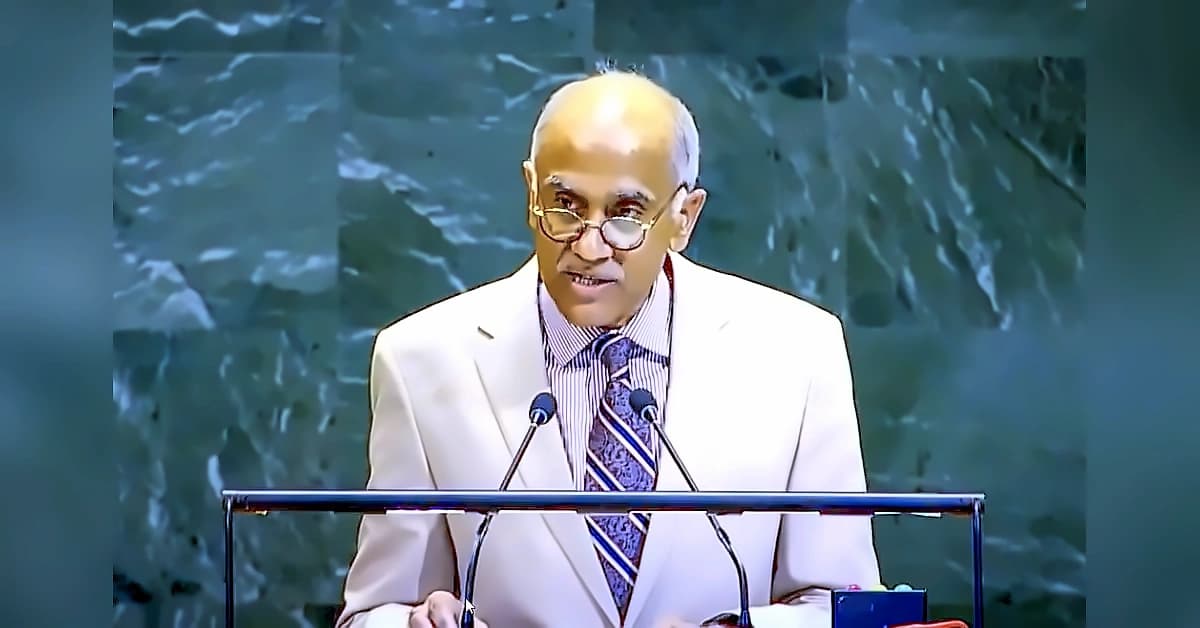
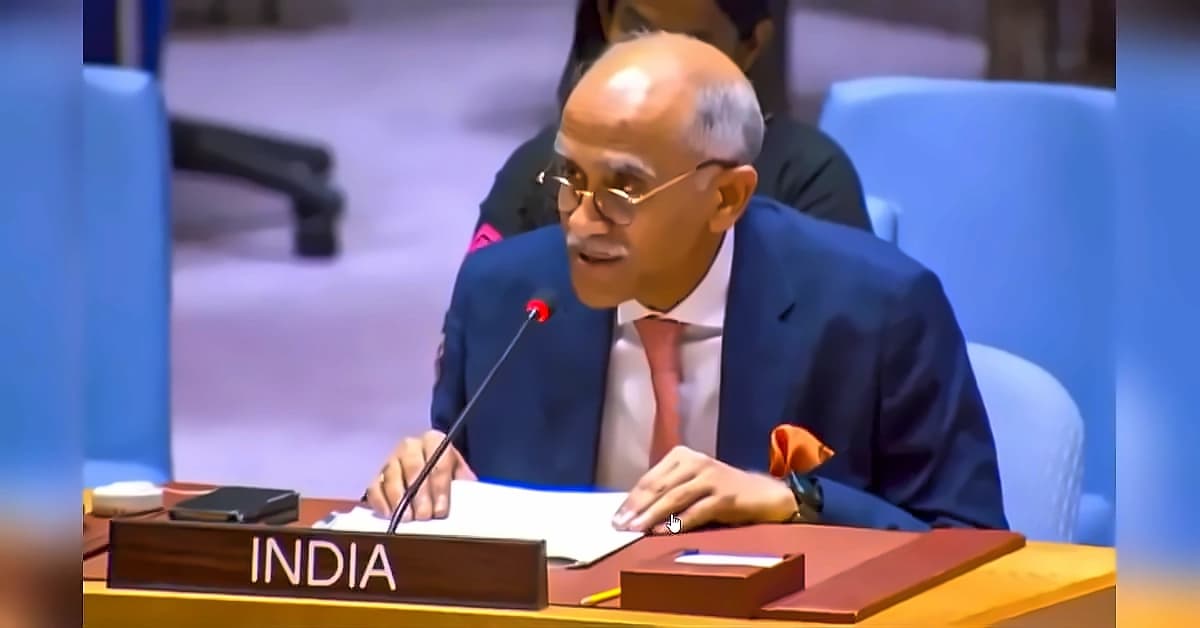
India emphasised that the immediate priority of the UN Security Council should be to mitigate the humanitarian consequences of conflict, requiring facilitating safe, rapid and unimpeded humanitarian access and ensuring that Council measures do not inadvertently impede humanitarian assistance. As reported by Business Standard, Parvathaneni called for timely assessments of disruptions to critical supply chains, including food, fertiliser, fuel and humanitarian logistics, drawing upon the technical expertise of the Food and Agriculture Organisation, the World Food Programme, and other relevant agencies. The UN's message links maritime security directly with the protection of civilians and the fight against hunger, with Guterres urging states and other actors involved in conflicts to uphold international law and safeguard civilian shipping.
India proposed comprehensive measures to strengthen global food security, including strengthening domestic agricultural production, diversifying supply chains, improving storage and logistics infrastructure, and promoting climate-resilient agriculture. According to Business Standard, Parvathaneni cautioned against over-reliance on any single model of production, saying this would be counter-productive as they are vulnerable to geopolitical disruptions, economic coercion and weaponisation. He emphasised the need for predictable and affordable access to fertilisers, quality seeds, technology and concessional finance, particularly for developing countries, while encouraging climate-resilient crops such as millets rather than limiting food security to grain crops. The UN's warning highlights the need to prevent geopolitical conflicts from causing wider damage to civilian populations through disruptions to global trade.