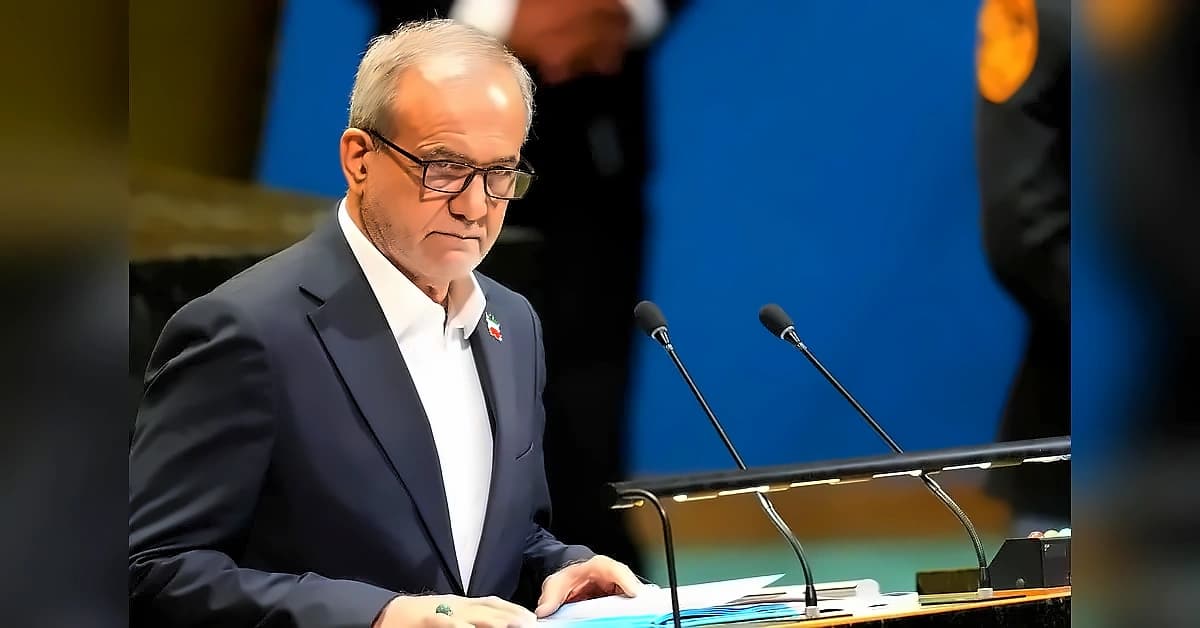
Iran and Oman held the first meeting of a newly formed joint committee on the Strait of Hormuz in Muscat on Monday, according to Iranian Deputy Foreign Minister Kazem Gharibabadi. As reported by X, 'During the trip to Muscat, the first meeting of the Hormuz Joint Committee was held with Abdulaziz Al-Hinai, Oman's Minister of State for Foreign Affairs.' The committee was established after a joint statement was issued during a visit to Muscat by Iranian Parliament Speaker Mohammad Bagher Ghaalibaf and Foreign Minister Abbas Araghchi, in which the two countries agreed to consult through a dedicated working group between their foreign ministries. 'While reviewing current issues related to the Strait, we exchanged views on the future management of the Strait within the framework of paragraph five of the Islamabad Memorandum of Understanding and the sovereign rights of the coastal states,' Gharibabadi stated on X.
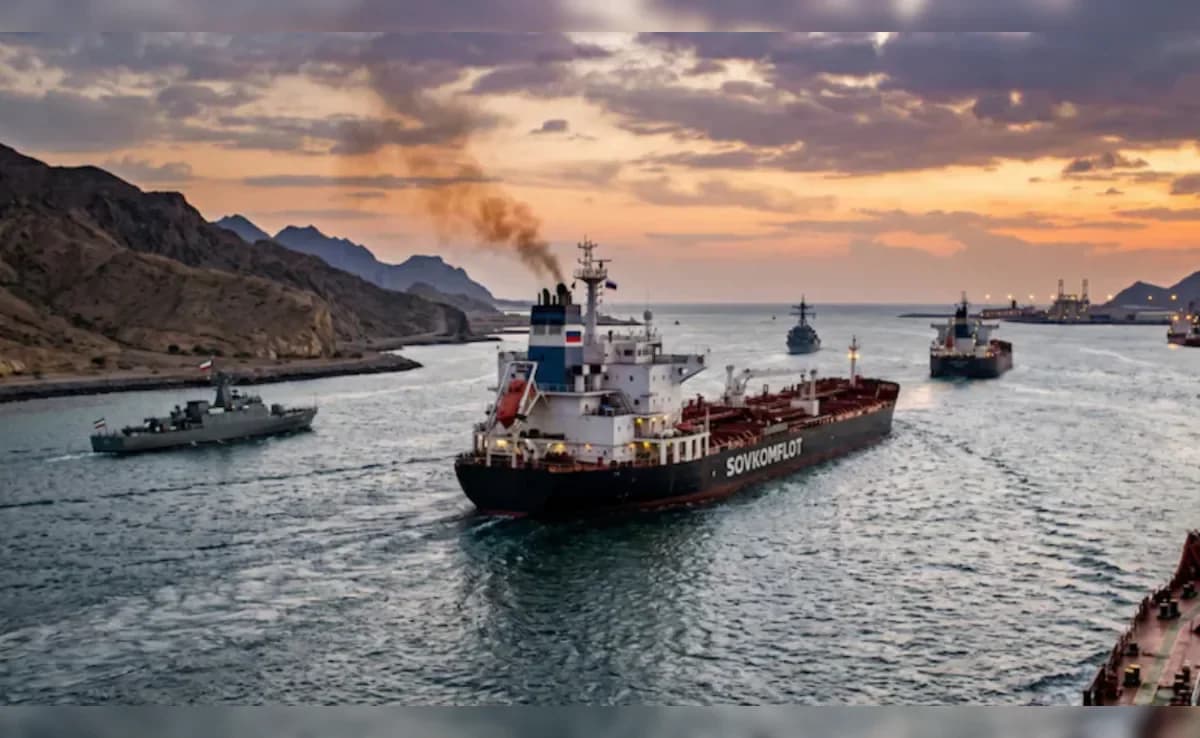
The Strait of Hormuz experienced a dramatic surge in traffic earlier this week, with 73 vessels passing through on Wednesday - more than double Tuesday's traffic and the highest since shortly after the conflict with Iran began in late February. According to The Times of India, this represented a significant recovery from the average daily traffic of below 10 vessels that had persisted since the fighting began. However, traffic through the strait fell by roughly half on Friday after Iran warned that ships should not sail along the Omani coast, with the International Maritime Organization (IMO) temporarily pausing evacuation operations following an attack in the Gulf of Oman. IMO Secretary-General Arsenio Dominguez explained that he took the precaution despite the attacked vessel having 'did not transit under IMO's evacuation framework.'
The traffic surge came after the United States lifted sanctions on Iranian oil earlier this week under a ceasefire agreement between the two countries. As reported by The Times of India, around the same time, the United Nations and the International Maritime Organization (IMO) launched a humanitarian operation to evacuate 11,000 stranded seafarers along with about 500 vessels from the region. Gene Seroka, executive director of the Port of Los Angeles, told CNN that 'What we're seeing are the ships that were sitting in the Gulf for this elongated period of time starting to move out with a focus on humanitarian aid to get the seafarers out and then a couple of chosen tankers when sanctions were lifted.' The IMO, Iran and Oman introduced two designated shipping routes on Wednesday, one along the northern side of the strait near Iran and another along the southern side closer to Oman, that were considered safe from mines and other threats.
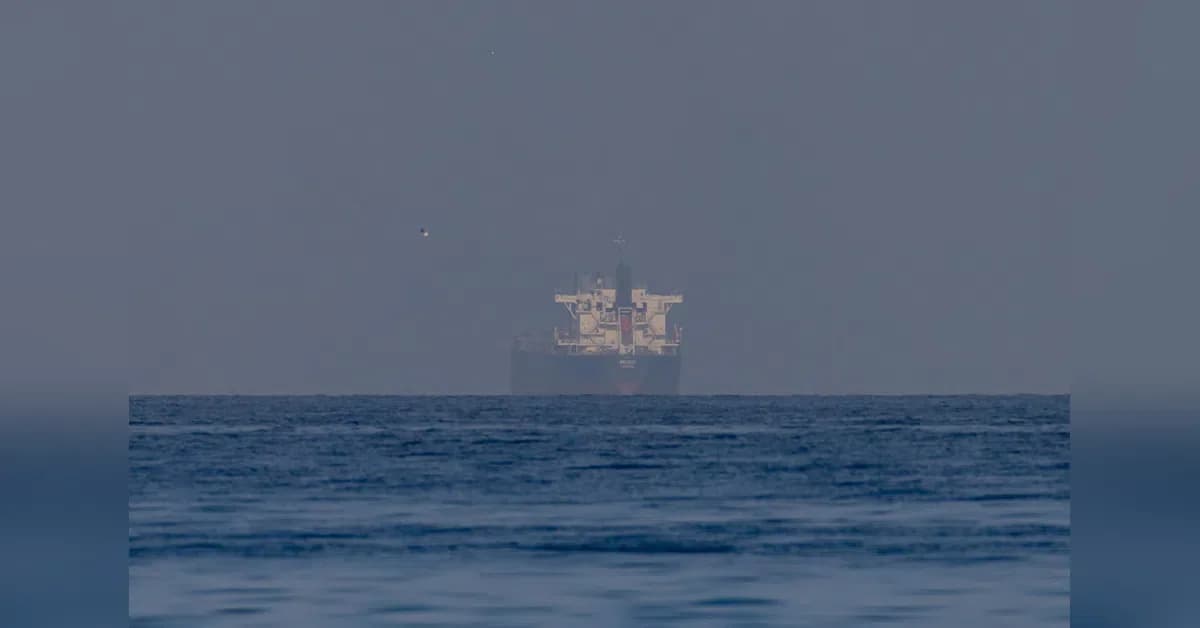
Iran has objected to vessels using routes that it says were established without its approval or coordination with the Islamic Revolutionary Guard Corps (IRGC). As reported by The Guardian, Iran rejected UN-backed evacuation corridors, arguing that they had been designed without Tehran's approval. The IRGC warned that vessels using routes not authorised by Iran could not expect protection, while insisting that any transit through Hormuz must be coordinated with Iranian authorities. 'Consequences arising from passage through unauthorized routes shall be the responsibility of the owner, operator, and vessel commander,' the Iranian authority told Reuters. Following the attack in the Gulf of Oman, Iran warned that ships should not sail along the Omani coast, saying safe passage would only be provided through routes declared to Iran, with the warning heightening concerns about possible future attacks on vessels entering or leaving the strait near Oman.
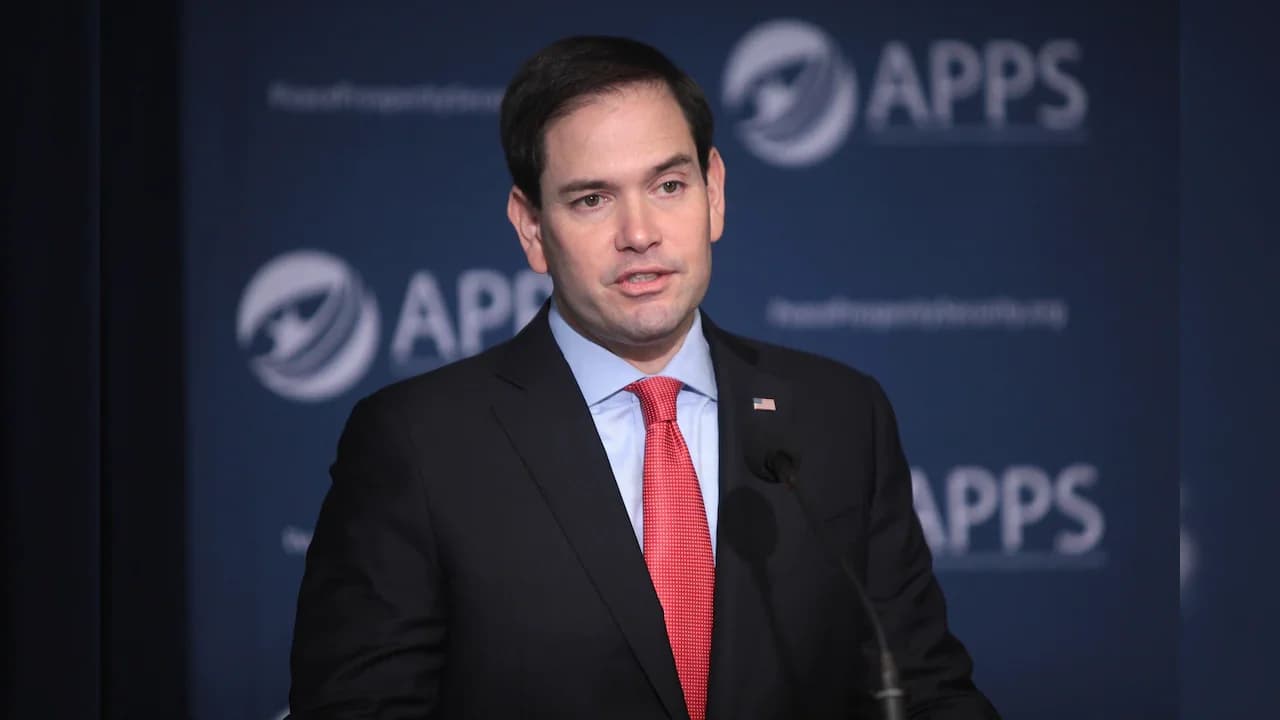
US Secretary of State Marco Rubio reaffirmed on Thursday that 'no country is allowed to charge tolls or fees' in the Strait of Hormuz, assuring Gulf allies that any agreement with Iran would consider their interests. Speaking at a gathering of Gulf Arab foreign ministers in Bahrain, Rubio stated that 'There is zero support from Gulf countries for tolls or fees on the Strait of Hormuz,' as he concluded his trip to win over regional partners who have serious concerns about the preliminary agreement with Iran. According to Reuters, Rubio stated that Washington was looking for a lasting peace with longtime adversary Iran that would not jeopardise the security of allies in the oil-rich region, many of whom view the agreement as being too lenient after being attacked by Iran during the conflict. Rubio warned that allowing tolls or fees on the Strait of Hormuz would set a dangerous global precedent, explaining that 'If, in fact, we accept that you can charge money to use an international waterway because it happens to be near your territorial space, well then this would spread throughout the world like a contagion.'
The conflict has affected insurance cover, with some insurers withdrawing protection under wartime clauses, according to The Times of India. Several major shipping companies, including Hapag-Lloyd, have relied on US naval guidance while navigating the strait, although that support has not always been available. Shipping companies have spent months weighing the risks of operating in the area, where mine threats and missile attacks have complicated commercial movements. According to the IMO, there have been at least 46 strikes on vessels and 14 deaths so far. Sanne Manders, president of Flexport, noted that 'The ships actually transiting Hormuz this week are still mostly Iranian-flagged and some (Taiwanese) Evergreen ships. The major global carriers haven't returned yet, so it's closer to status quo than a real shift.' The IMO now plans to 'reconfirm that the necessary safety guarantees continue to be in place for the ships on our evacuation list and all those in the region,' as reported by The Times of India.