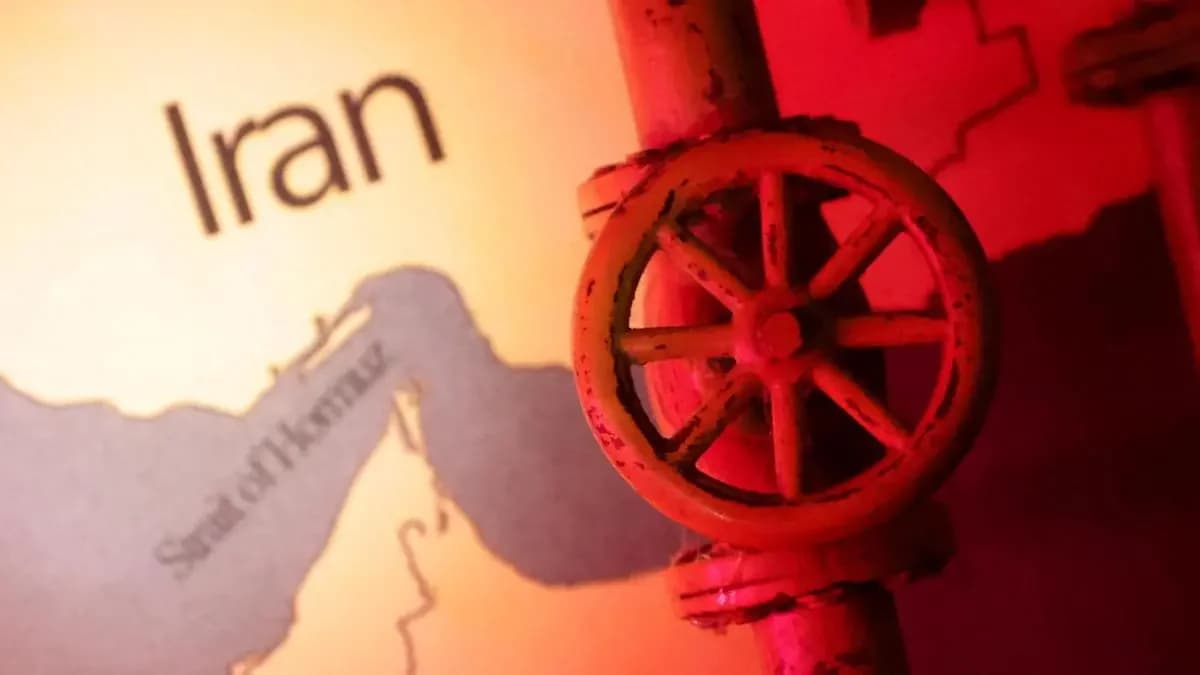
The Food and Agriculture Organization (FAO) has issued a stark warning that time is running out to avert a global food security crisis caused by the Strait of Hormuz crisis. As reported by FAO, Director-General Qu stated during Rome Nutrition Week that the meeting was taking place at a moment of "profound geopolitical and economic fragility." Qu emphasized that "What we are witnessing today is not only a geopolitical crisis, it is a systemic shock to the global agrifood system." The FAO warns that the largest impacts may not be immediate, but may emerge months from now when farmers begin harvesting less because they planted less, fertilized less, or could no longer afford production. According to FAO, the decisions we make now will determine whether this remains a manageable shock, or evolves into a deeper global food security crisis in 2026 and 2027, and beyond.
The Middle East crisis and the still closed Strait of Hormuz has forced governments into action, creating a significant shift in investment patterns. According to reports from Investing.com India, concerns about energy security and the push in many countries to boost electrification to replace road transportation fuels are making clean energy investments attractive again. The Hormuz crisis has already triggered an electrification drive in south and Southeast Asia as consumers struggle with fuel price spikes and even shortages in some countries. As reported by Oilprice.com, renewable stocks and markets are poised for a rebound from institutional investors and hedge funds after a few years of weak returns, with analysts, investors, and officials expecting a clean energy investment revival.
Investment firms managing a total of around $7.4 trillion in assets under management completed a UKSIF survey last month, which showed 87% of respondents expect both global and UK-specific investment in renewable energy projects to increase following the war. As reported by Investing.com India, the survey also showed 78% of respondents felt global renewable energy investments were now "less risky relative to oil and gas" after the outbreak of the war. Moreover, 87% of respondents said their "confidence in the long-term outlook for global renewable energy-related investments" had increased since the war began. According to Oilprice.com, investors overwhelmingly expect financing for renewable energy projects to surge in the wake of the Iran conflict, with the survey showing strong institutional backing for clean energy transition.
According to Singapore's Climate Action Ambassador Ravi Menon, as reported by Bloomberg News, "You need a price signal and then capital and investments will flow into this and the supply will then start to catch up." Menon, who was formerly the managing director of the Monetary Authority of Singapore, stated that "the smart money should already be investing in that now, knowing that there's going to be demand and prices are going to go up." Europe and Asia are accelerating plans to install wind, solar, and battery storage capacity to protect against the highly volatile oil and gas markets in increasingly uncertain geopolitical developments. The strategic shift reflects institutional confidence that renewable energy will become the preferred investment option as geopolitical risks in traditional energy markets continue to escalate.
ADNOC's CEO Dr. Al Jaber revealed that oil flows through the Strait of Hormuz will not return to full levels before the first or second quarter of 2027, despite the UAE's ability to ramp up production quickly. As reported by ADNOC, it will take four months for oil flows to reach 80% of pre-conflict levels, highlighting the complexity of restoring global energy supply chains. The crisis has exposed critical supply chain vulnerabilities, with fuel prices up 30%, fertilizer prices rising 50%, and airfares increasing 25% over just 80 days. Dr. Al Jaber emphasized that the closure sets a "dangerous precedent" affecting freedom of navigation, noting that almost 80 countries have implemented emergency measures to support their economies. The FAO notes that severe disruptions in the Strait of Hormuz have already affected the movement of oil, liquefied natural gas, sulfur, and fertilizers – driving up agricultural input costs and placing upward pressure on seed prices due to their dependence on fertilizers.

The crisis has significantly accelerated the global electric vehicle revolution, with sales rising 30% in Europe and 75-80% in Latin America and Asia in 2026. As reported by Oilprice.com, if the crisis continues, it may "end up urging the EV revolution into global maturity." This represents a fundamental shift in energy consumption patterns, with the crisis confirming that oil and gas remain crucial ingredients of modern society, comprising around 80% of global energy consumption together with coal. The crisis has created a "terrible thing to waste" opportunity, as economist Paul Romer noted, potentially accelerating the transition from traditional fossil fuel vehicles to electric alternatives.