India has initiated an anti-dumping probe against imports of electrical steel from China, Japan, Korea and Russia, according to a commerce ministry notification. The investigation was initiated on June 22, 2026, covering imports from April 1, 2025, to March 31, 2026, while the injury analysis covers the period 2022-23 to 2024-25. The investigation followed a complaint by JSW JFE Electrical Steel Nashik Pvt Ltd to the Directorate General of Trade Remedies (DGTR). The applicant has alleged that cheap imports of 'Cold Rolled Grain Oriented Electrical Steel and Amorphous Metal' are significantly harming the domestic industry.
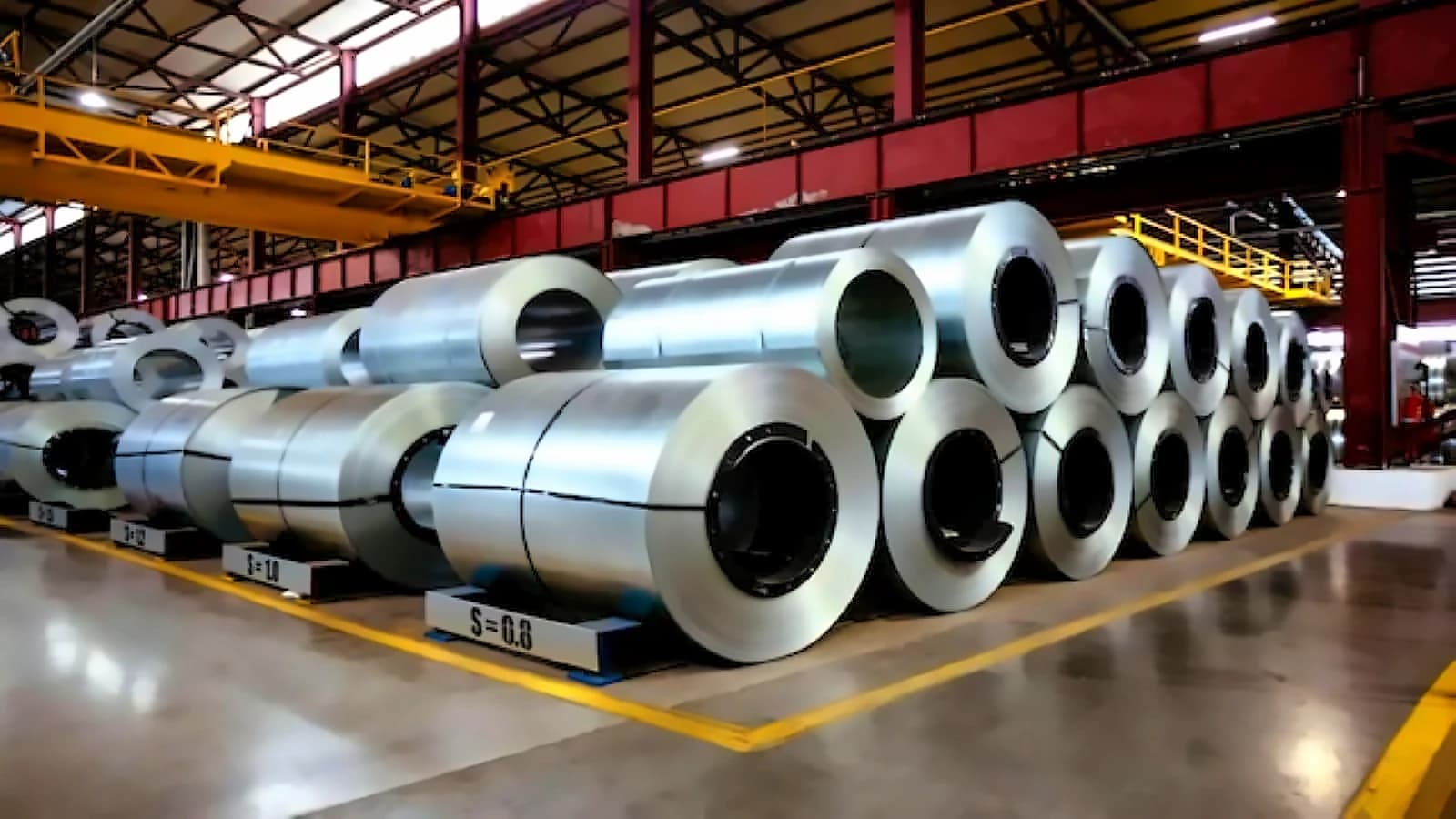
The Global Trade Research Initiative (GTRI) has warned that any move to impose anti-dumping duties on cold-rolled grain-oriented electrical steel (CRGO), which accounts for nearly 90% of India's imports to meet domestic requirements, could significantly impact the power sector. Annual CRGO consumption is estimated at 4,00,000-4,50,000 tonnes, while domestic production remains limited to only 40,000-50,000 tonnes. GTRI founder Ajay Srivastava noted that with domestic output meeting less than one-tenth of the country's demand, higher duties could raise prices without materially reducing import dependence, potentially slowing investments in transmission infrastructure, renewable-energy integration and electricity distribution.
According to GTRI, every power and distribution transformer uses CRGO steel in its magnetic core, making the specialized electrical steel indispensable for efficient electricity transmission and distribution. The product minimizes energy losses and is essential for efficient electricity transmission and distribution. GTRI warned that the probe could increase transformer manufacturing costs and slow the country's power grid expansion, particularly concerning given that India is investing ₹9.15 lakh crore to expand its power grid by 2032, adding 1,91,000 circuit kilometres of transmission lines and more than doubling transformer capacity to 2,342 GVA (Gigavolt-Amperes).
The directorate will determine the existence, degree and effect of alleged dumping of the chemical exports from China and Japan. If dumping is established to have caused material injury to domestic players, the DGTR would recommend imposition of levies on imports, with the finance ministry taking the final decision. Anti-dumping probes are conducted under the multilateral regime of the Geneva-based World Trade Organization (WTO) as countermeasures to ensure fair trading practices. GTRI noted that CRGO imports are already subject to mandatory BIS quality certification, with every imported coil required to meet Indian standards before sale, making the investigation a dispute over pricing rather than product quality.
India has initiated similar probes against imports of sodium nitrite from China and 'Para Nonylphenol' from Russia and Taiwan. Anti-dumping probes are conducted by countries to determine whether domestic industries have been hurt because of a surge in cheap imports. The duty is aimed at ensuring fair trading practices and creating a level playing field for domestic producers vis-a-vis foreign producers and exporters. India and these countries are members of the WTO, with India having already imposed anti-dumping duties on several products to tackle cheap imports from various countries, including China.