Indian benchmark indices staged a sharp recovery in afternoon trade, with the Sensex turning marginally positive, rising 33.58 points to 77,402.69, while the Nifty pared its decline to 15.45 points, or 0.06 percent, at 24,203.60. Earlier in the session, the Sensex had been down more than 100 points and the Nifty was near 24,150, but the recovery was driven by defensive sectors including healthcare and financials. Consumer durables, infra, IT, media, and pharma sectors gained 0.5% each, while selling was seen in energy, metal, and private bank stocks.
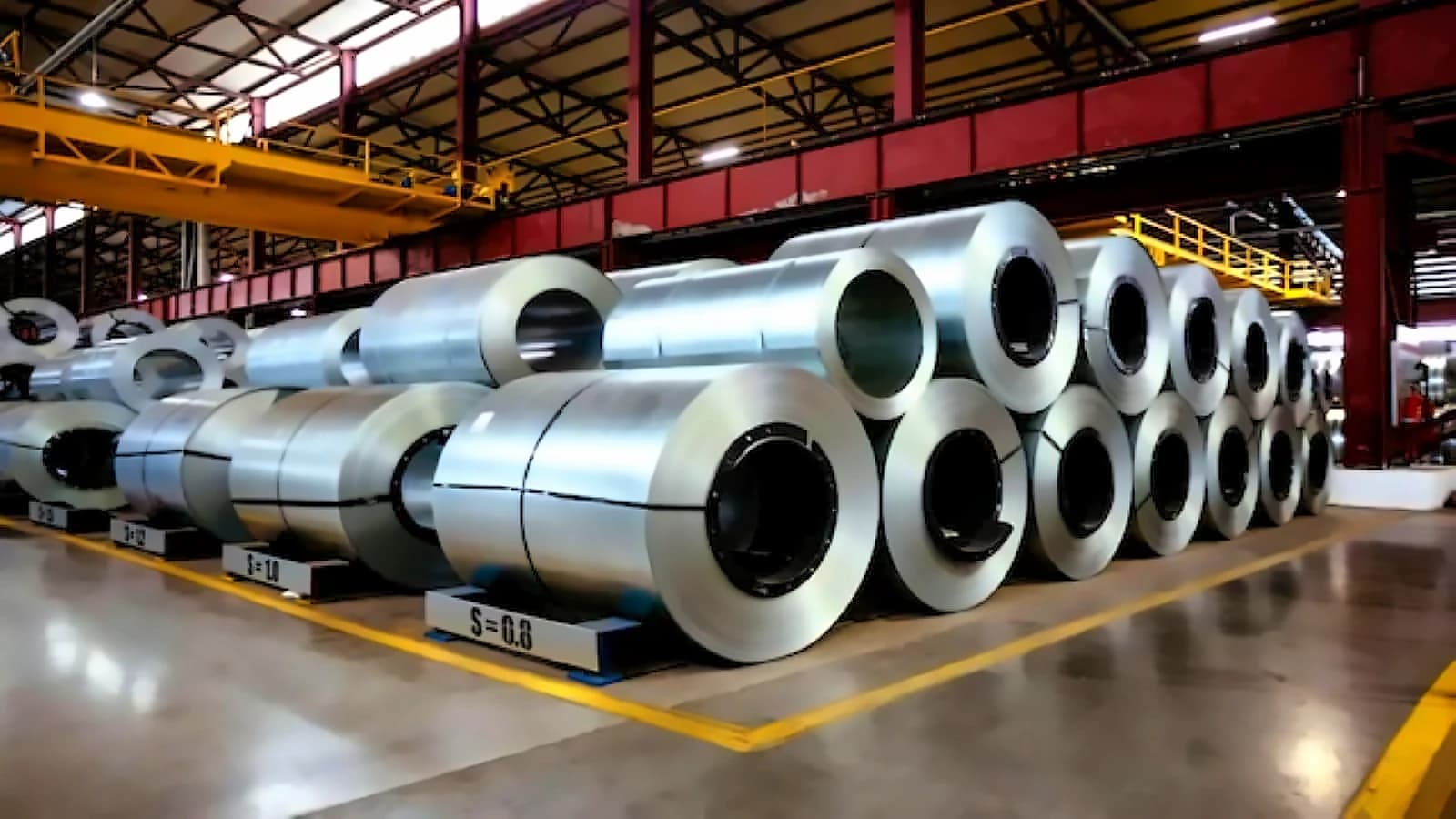
The steel sector has witnessed a significant recovery with rebar prices rising ₹6,000-6,500 per tonne over the past month and a half, currently trading at ₹54,500 per tonne, though still below the ₹58,000-59,000 per tonne level seen in April. According to Axis Capital's Amit Murarka, there could be more hikes on the way as post-monsoon demand returns and coking coal costs climb. The rally comes after a decline of about ₹12,000 per tonne between May and July, driven by lower construction activity during the monsoon. Coking coal costs have risen nearly 20% in the past month as China returned to the seaborne import market following mine disruptions.
As reported by Axis Capital, Jindal Steel remains the preferred tactical pick over Steel Authority of India Ltd (SAIL) for exposure to the long steel rally. Murarka cited that Jindal Steel has more legs, or drivers, beyond just the long pricing, citing volume growth and margin-improvement measures expected to play out over the next 12 to 18 months. The brokerage believes these price increases are more than sufficient to absorb any cost inflation arising from the West Asia crisis, with domestic rebar prices rebounding by ₹600/t week-on-week to ₹53,700/t in the week ended August 21.
According to Axis Capital's latest analysis, JSW Steel remains the structural pick with a 10%+ volume CAGR over four to five years, while Jindal Steel recorded the highest operating cost increase among major steelmakers at 4% on a standalone basis. Not all price gains will flow through to margins, as India imports most of its coking coal, with Murarka estimating around 70% of the recent price rise could flow through to margins since Indian mills blend costlier coking coal with cheaper alternatives. The long steel currently trades at a ₹5,000 per tonne discount to flat steel products, down from a gap of ₹10,000-11,000 per tonne after the earlier correction.
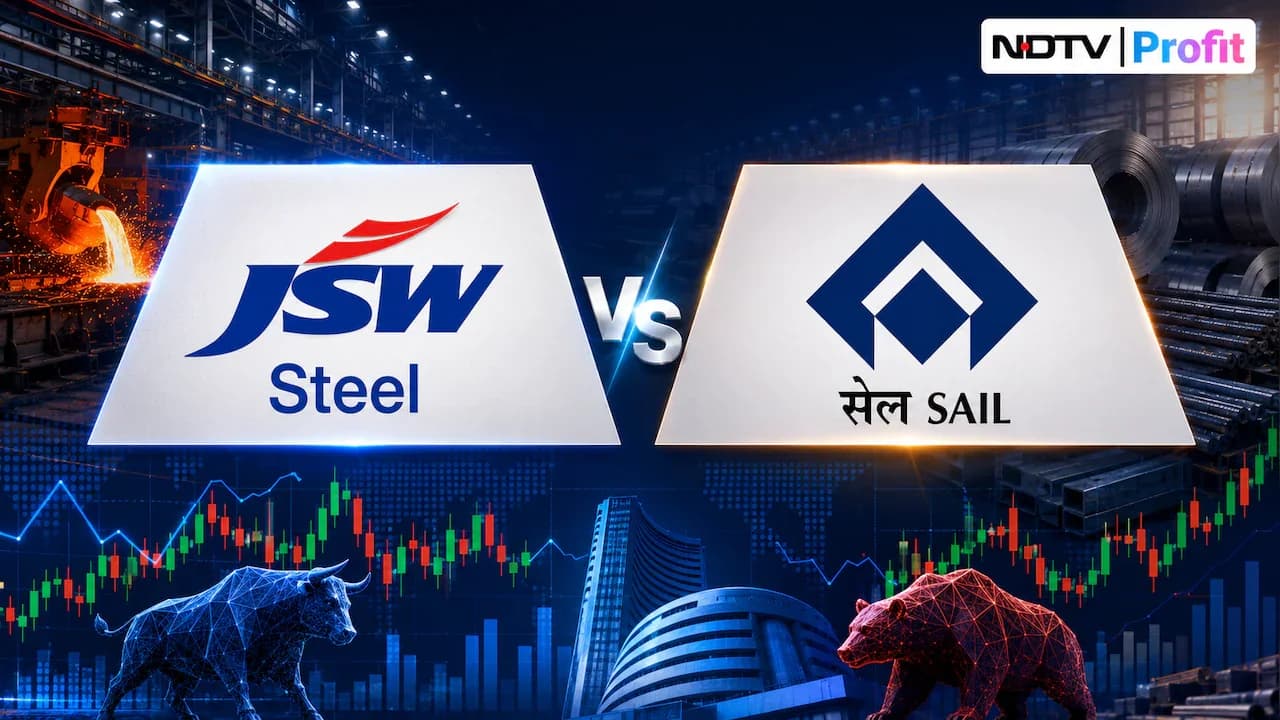
As reported by Axis Capital, the brokerage maintains 'Buy' recommendations on Tata Steel, JSW Steel and Jindal Steel, with JSW Steel named as the sector's top structural pick. Murarka was less positive on SAIL, flagging upcoming wage revisions and limited volume growth over the next three to four years, along with valuations that he does not see as supportive after the stock's recent rise from ₹165-170 to ₹195. The ongoing rebar recovery further strengthens the case for Jindal Steel, given its higher long-product exposure and potential for improving utilisation and operating leverage.