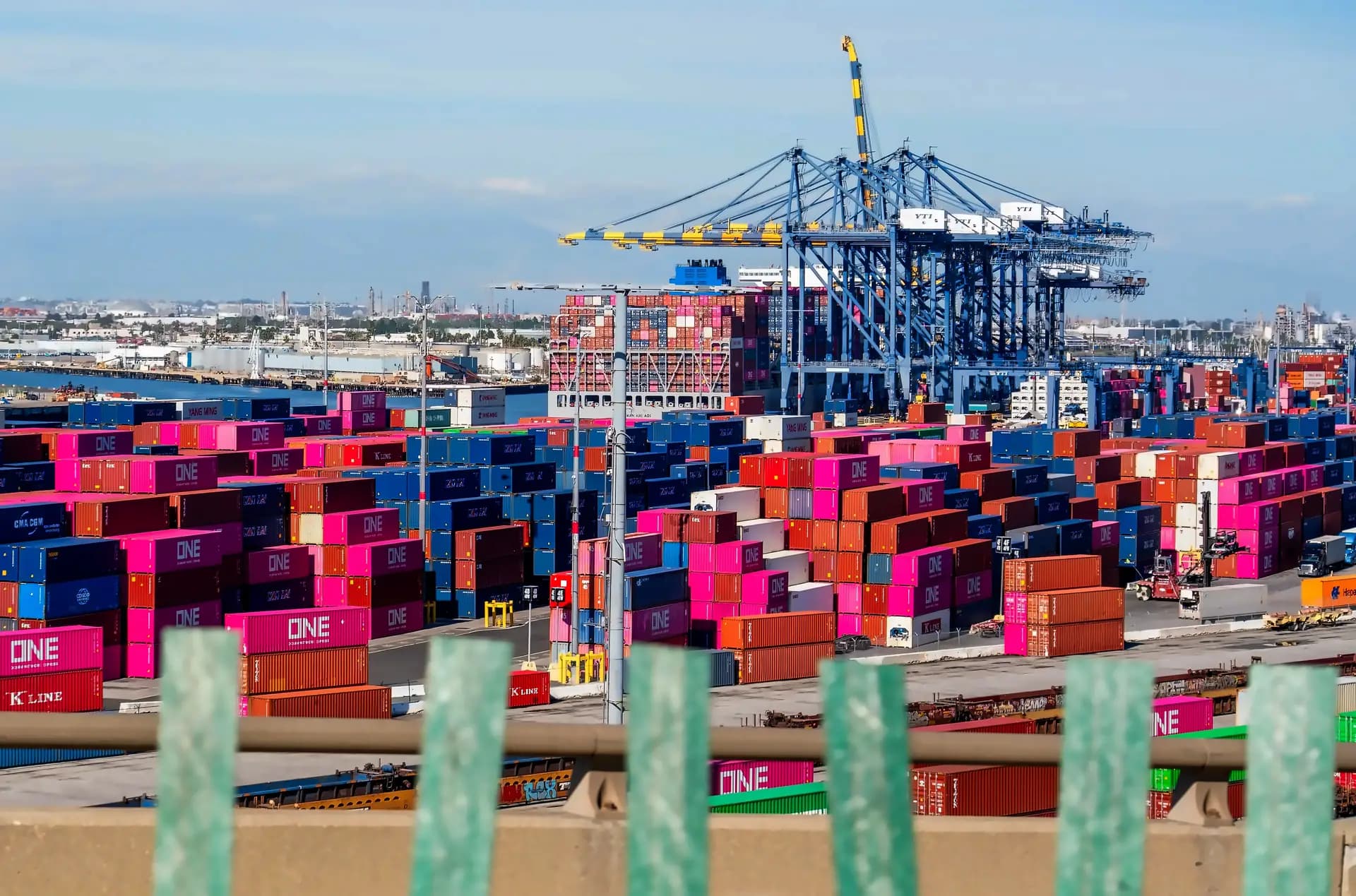
India and the UK have successfully operationalised their landmark free trade agreement from day one, with over 50 export consignments valued at more than $140 million flagged off from more than 20 ports, airports, Inland Container Depots (ICDs), Special Economic Zones (SEZs) and factories across India. According to Commerce Secretary Rajesh Agrawal, the consignments included electronics, pharmaceuticals, gems and jewellery, textiles and other products, with dispatches from major locations including Mundra, Nhava Sheva and Chennai seaports, and air cargo complexes at Mumbai (Sahar), Kolkata and Hyderabad. Calling CETA "one of the most aspirational trade agreements by India to date," Agrawal confirmed that all requisite notifications on both sides have been rolled out to ensure the FTA's advantages kick in from day one. The Double Contribution Convention (DCC) also came into force with the FTA, allowing eligible Indian professionals on temporary assignments in the UK to avoid dual social security contributions for up to five years.
India has secured duty-free access for over 11 lakh tonnes of steel exports to the UK under the new trade agreement, with the resolution of UK steel safeguard measures paving the way for implementation. As per government officials, India's total country-specific quota under the new framework stands elevated at 1,68,029 tonnes, seamlessly complemented by the exclusive 9.45 lakh tonnes under the Authorised Use Scheme (AUS). The UK has reserved an exclusive 40 per cent of the quota under the AUS for India, translating to about 9.45 lakh tonnes of dedicated trade volume. The country-specific quota for India has been nearly tripled for non-alloy and other alloy hot-rolled sheets and strips, from 12,405 tonnes to 33,456 tonnes. The UK has also protected market access by removing nine commodity codes from Category 28 (non-alloy wire) scope, ensuring 95 per cent of India's exports in this category remain entirely free of restrictions. India successfully secured expanded access in critical sub-categories, with Category 12B residual quota scaling up to 4,540 tonnes (from 468 tonnes) and Category 26 residual quota rising to 16,327 tonnes (from 10,809 tonnes).
Under the FTA, India has agreed to open 89.5 per cent of its tariff lines, while London has offered duty liberalisation on 99 per cent of tariff lines, with the agreement providing regulatory certainty for Indian service providers across various sectors. The UK has committed to reduce tariffs on automobiles to 10 per cent from 110 per cent over five years, subject to quotas on both sides. Higher engine capacity internal combustion engine vehicles (over 3,000 cc for petrol; over 2,500 cc for diesel) will attract 30 per cent duty (down from 110 per cent), while other engine capacities will benefit from a 50 per cent tariff rate, lower than the previous 70 per cent rate. India has also committed to cut tariffs on Scotch whisky from 150 per cent to 75 per cent immediately, and to 40 per cent over the next 10 years. The agreement promises significant benefits across multiple sectors, with garments, textiles, leather goods, footwear, seafood, processed food and selected agricultural products expected to emerge among the biggest beneficiaries. Following the trade pact, India and the UK aim to increase their bilateral trade to $100 billion by 2030, from around $60 billion at present. The agreement grants duty-free access to nearly 99 per cent of Indian exports to the UK, benefiting sectors including leather, footwear, textiles, mechanical and electrical machinery, plastics, base metals, marine products, and gems and jewellery.
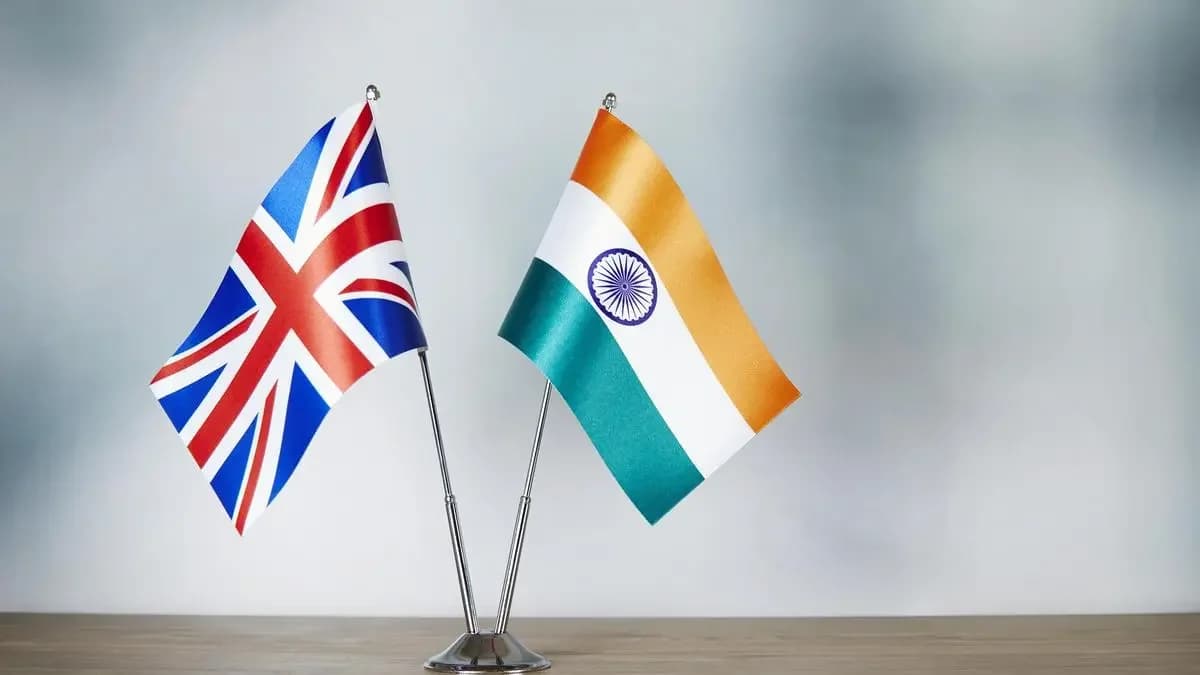
While the FTA significantly lowers trade barriers, experts caution that quality standards and non-tariff barriers remain crucial for export success. As per The Global Trade Research Initiative (GTRI), exporters across sectors will have to comply with demanding UK quality, food safety, traceability and technical certification requirements, particularly in food products, engineering goods and automobiles. "Without parallel work on standards, certification, logistics, regulatory approvals and buyer networks, much of the opportunity will remain on paper," said GTRI founder Ajay Srivastava. The think tank also warned that sectors such as chemicals and pharmaceuticals may see limited gains because regulatory approvals and procurement systems remain more important than tariff preferences. Industry observers note that negotiations delivered only limited progress on visa liberalisation, with domestic political considerations in the UK restricting broader mobility commitments sought by India. Commerce Secretary Rajesh Agrawal emphasized that "CETA was concluded after over 800 technical sessions across 14 rounds of negotiations" and described it as "a win-win agreement between the two countries, which will have a shadow across economic relations."