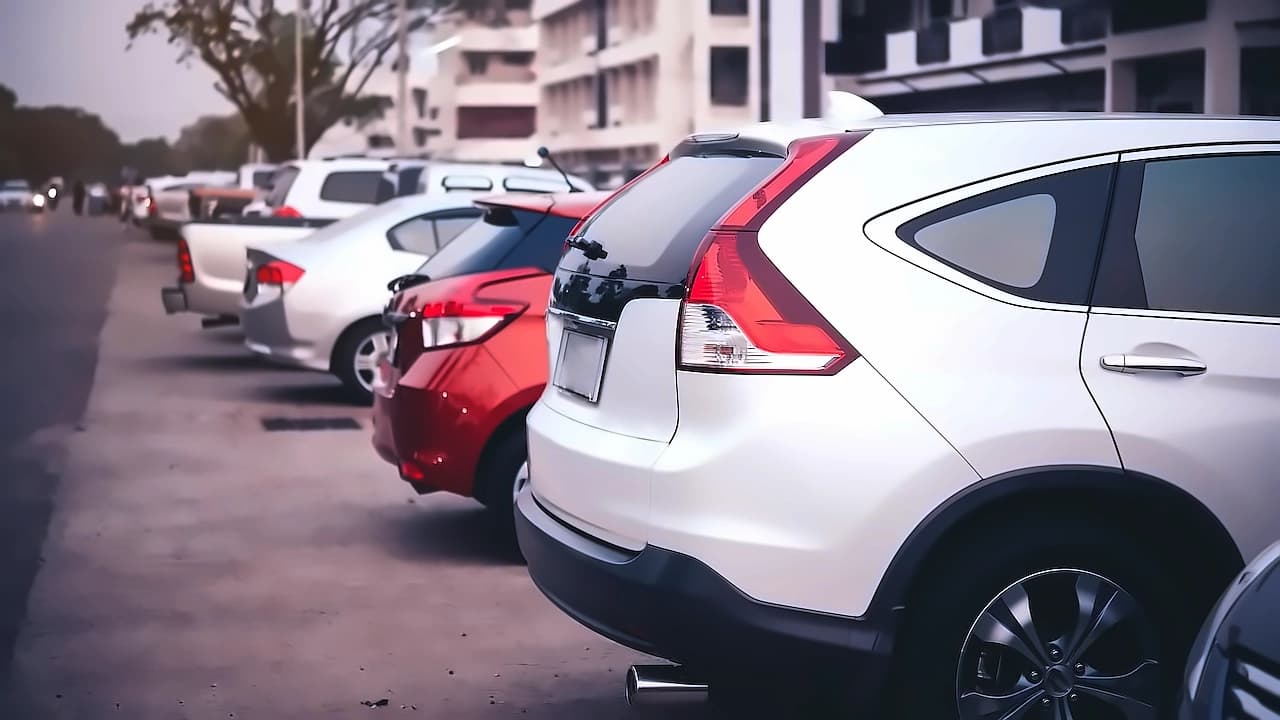
The Directorate General of Foreign Trade (DGFT) has approved applications from seven companies to import 642 cars from the UK under the India-UK Free Trade Agreement's tariff rate quota provisions. According to latest reports, the commerce ministry's arm received applications from eight companies for the allocation of 2026 import quotas for fully-built passenger cars and goods vehicles. The directorate had invited applications on July 20 for a quota covering approximately 10,480 units under the duty concession provisions of the agreement. As per official confirmation, seven applications were approved while one application was rejected from the total eight applicants. This approval marks the first allocation under the 2026 quota following the DGFT's call for applications in July, with the government extending the application deadline by five days to August 9 to accommodate more applicants.
The approval comes under the India-UK Comprehensive Economic and Trade Agreement (CETA), which became effective on July 15. Under the pact, tariffs on automotive imports will fall from about 110 per cent to 10 per cent, with quotas on both sides. For the first year, the TRQ limit is set at 20,000 units, as duty falls to 30 per cent from 110 per cent on large-engine vehicles and to 50 per cent from 66 per cent on mid-range vehicles. New Delhi has permitted the import of a total of 3.78 lakh units of conventional-engine passenger cars, including those in the mass segment, from the UK at concessional customs duty during the first 15 years of the trade pact implementation. The tariff rate quota (TRQ) mechanism allows imports of specified quantities of goods at a lower or preferential duty rate, with quotas applying to vehicle trade between the two countries.
Only Original Equipment Manufacturers (OEMs), dealers and channel partners duly authorised by the OEMs of vehicles originating in the UK were eligible to apply for the Tariff Rate Quota (TRQ). For the 2026 allocation, only original equipment manufacturers (OEMs), dealers and channel partners duly authorised by UK-origin vehicle makers were eligible to apply. The applications were sought for a quota covering approximately 10,480 units, with the directorate approving quotas for 642 cars under the India-UK trade agreement's tariff rate quota provisions. According to official statements, the directorate had received applications from eight companies and has now approved quotas for 642 cars out of the total 10,480 units quota. To claim the concessional tariff from the Customs Department, importers must furnish a valid certificate of origin issued by UK authorities, as well as a valid TRQ certificate issued by the DGFT.
The India-UK Comprehensive Economic and Trade Agreement (CETA) adopts a phased approach through tariff-rate quotas with significant reductions planned over time. The government has committed to reducing the tariff on internal combustion engine (ICE) vehicles to 10 per cent by the end of the fifth year. Meanwhile, electric, hybrid and hydrogen-powered vehicles will receive no tariff concessions during the first five years. From the sixth year, limited concessions will be introduced only for higher-priced vehicles: Models priced between £40,000 and £80,000 will attract a 50 per cent duty within a quota of 400 units, while vehicles priced above £80,000 will attract a 40 per cent duty within a quota of 4,000 units, with both categories reaching a 10 per cent duty by the tenth year. Vehicles priced below £40,000 will remain permanently excluded from concessions, preserving protection for India's mass-market electric vehicle manufacturers.